
 EN
EN
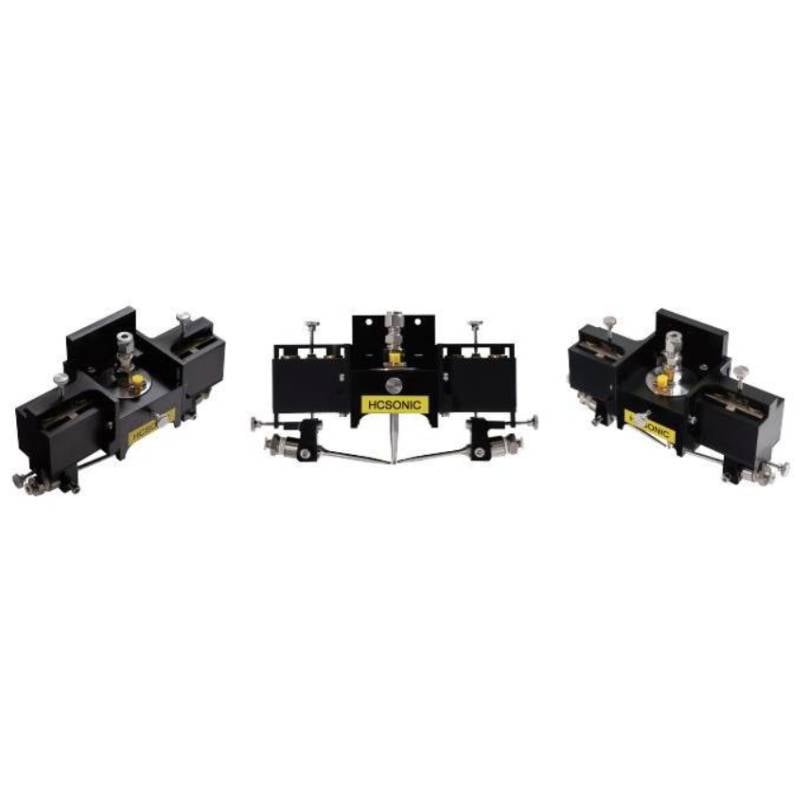
The Multifunctional Ultrasonic Fatigue Test System is a neat tool that help scientists and engineers check materials for planes and rockets. It use sound waves too high for ears to hear. This special testing setup is really key because it show how materials act under stress and pressure, which matter a lot in aerospace. At SONIC, we aim to make sure these materials hold up in harsh flying conditions. Using advanced tech, we see how tough and lasting materials are, so they stay safe for aircraft and spacecraft.
Exploring What Makes the Ultrasonic Fatigue Test System Essential for Aerospace Materials
The Ultrasonic Fatigue Test System is vital for aerospace stuff because it let engineers see how materials will last over time. Planes face tons of forces and stresses when flying. Materials might weaken or snap if they can't take it. This setup use ultrasonic equipment waves, like really quick sound waves, to test how materials handle pushing and pulling. The system check various materials, such as aluminum or titanium, common in aerospace. It push them to edges without breaking during test. That's why it help designers pick better materials, making planes strong yet light to save fuel. SONIC’s tech play a big part in building safer, more efficient flying machines. By spotting material weak points early, we prevent accidents and keep flights safe.
How the Ultrasonic Fatigue Test System Boosts Material Strength in Aerospace Uses
And the Ultrasonic Fatigue Test System improve material toughness in several ways. First off, it help experts see reactions under varied conditions. For instance, in turbulence, materials face surprise forces. With ultrasonic testing, we mimic those hard spots and watch behaviors. At SONIC, we use this info to better the materials. If one don't perform good, we tweak its making or mix in something to strengthen it. Another plus is testing without quick damage. So we run lots of tests, collect data, before picking best ones for planes. This cut waste and lead to smarter designs. Over time, it make more reliable aircraft. It’s about safe and smooth flying, not just getting airborne. In aerospace, where details count, this system is key for handling flight challenges.
What Are the Benefits of Ultrasonic Fatigue Testing in Aerospace Material Work?
Ultrasonic fatigue testing is a clever method to check material strength, specially for planes and spacecraft. Using this, we learn how materials act under stress. Airplanes and rockets deal with huge pressures in flights. If materials aren't tough enough, big issues can happen. One main perk is it aid in developing superior materials. With SONIC's custom ultrasonic solutions setup, experts see bending, twisting, or breaking over time. So we build safer, dependable aircraft and spacecraft.
In addition, ultrasonic fatigue testing is quick and effective. Old methods take forever and lots of work. But SONIC's tech give results faster. Researchers test more materials in less time. They adjust based on findings, speeding up new material creation which is vital as tech keeps advancing. Also, it's precise, spotting small flaws other ways miss. This ensure every aircraft part use solid materials. In the end, it create stuff that handles flying rigors, making travel safer.
How Ultrasonic Tech Changes Aerospace Material Testing Ways
Ultrasonic tech is transforming how we test aerospace materials. It send sound waves inside without harm. This matter because we need to know if materials are solid before planes or rockets use. SONIC's system shoot waves through, and if cracks or weak areas exist, waves alter. That provide key info on strength and lasting power.
So one great feature is time-saving. Traditional tests drag on, but SONIC’s get results soon. Engineers test many materials quicker. Faster testing mean quicker new material development, especially with growing need for lighter, stronger ones. Plus, it's sensitive, catching tiny issues overlooked elsewhere. Detecting small flaws help make aircraft parts safe, avoiding mishaps.
Moreover, ultrasonic tech save costs too. Catching problems early avoid big expenses later. Faulty material in a plane could mean costly fixes or wrecks. Using SONIC's testing, firms dodge that and focus on safer materials. To sum up, it make testing faster, sharper, and cheaper, leading to better air travel safety.
What Buyers Need to Know on New Trends in Ultrasonic Fatigue Testing for Aerospace Materials
If you're thinking of getting an ultrasonic fatigue testing system for aerospace materials, know the current trends. A major one is advanced tech shifts. Firms like SONIC build systems that test and analyze data right away. Engineers see results instant, decide fast in the quick aerospace world.
Another trend involve automation in testing. Companies want easier, efficient processes. Auto systems run tests without constant watching. So engineers handle other stuff while it goes. SONIC's auto industrial ultrasonic systems setups make sure thorough, accurate checks.
With this, sustainability gain focus in material testing. They aim to cut waste, use green materials. Ultrasonic helps as non-damaging method materials test without ruin, reusable in products. Buyers should seek systems stressing green and efficiency, since it'll grow.
Lastly, stay on top of new research in ultrasonic fatigue testing. Tech evolves, info help smart picks. Watching trends let buyers invest in top systems. Understanding these trends is key for buying, to pick right one and aid safer aerospace development.
Table of Contents
- Exploring What Makes the Ultrasonic Fatigue Test System Essential for Aerospace Materials
- How the Ultrasonic Fatigue Test System Boosts Material Strength in Aerospace Uses
- What Are the Benefits of Ultrasonic Fatigue Testing in Aerospace Material Work?
- How Ultrasonic Tech Changes Aerospace Material Testing Ways
- What Buyers Need to Know on New Trends in Ultrasonic Fatigue Testing for Aerospace Materials