
 EN
EN
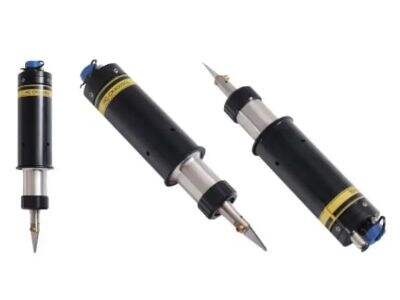
Ultrasonic cutting is changing how industries operate. It uses high-frequency sound waves to cut materials such as fabric, plastic, and food. This method is faster and cleaner than the old cutting methods. Companies like SONIC lead in this technology, helping businesses improve production. Let’s see the main benefits of ultrasonic cutting in factories and how it helps save time and money
What Are the Key Advantages of Ultrasonic Cutting in Industrial Manufacturing
Ultrasonic cutting is special as it gives lots of good points. First, it slices materials smoothly, so there are fewer rough edges. This matters for companies wanting nice-looking products. For example, in clothing, it makes clean edges on fabrics, which speeds up sewing and finishing. Second, it cuts down on extra finishing work. Old cutting methods need more time to smooth edges, costing more. With this cutting method, firms save labor and make products more quickly. Third, it is very precise. This exactness is key in electronics, where small parts must fit perfectly. Ultrasonic cutting and high-power ultrasonic transducers reduces waste by making every piece the right size. Fourth, it handles many materials. From soft fabrics to hard plastics, ultrasonic cutting does it all. This makes it useful for different industries. Fifth, it lowers noise in the workplace. Old machines are loud, but this one is quieter, so workers prefer it. Sixth, it is more eco-friendly. Less waste means companies are kinder to the environment. Finally, it can be automated. Businesses can run machines with less human help, speeding up production further. Overall, these advantages make ultrasonic cutting a smart choice for manufacturers wanting better processes
How Ultrasonic Cutting Improves Precision in Wholesale Production Processes
Precision is very important in manufacturing, especially for wholesale production. Ultrasonic cutting and laboratory ultrasonic devices helps achieve this in many ways. One big advantage is clean and accurate cuts. When businesses need parts to fit perfectly, this cutting method does it without extra adjustments. This is crucial for the automotive and aerospace industries, where even small errors can cause big problems. For instance, a wrongly cut car part might not work properly, leading to safety issues. Ultrasonic cutting helps avoid that. In addition, it reduces damage to materials. Old methods create heat that can warp or melt materials, but sound waves keep them intact. Because of this, manufacturers can trust that pieces meet strict standards. Precision also means less waste. Lower waste helps save costs, which is important. In wholesale, every penny counts, so this improves profits. Lastly, the speed of cutting also supports precision. Faster production means more output in less time while maintaining quality. This helps meet demand and stay ahead of competitors. Overall, ultrasonic cutting improves precision and efficiency in wholesale, helping companies perform better in the market
What Industries Benefit Most from Ultrasonic Cutting Technology
Ultrasonic cutting technology is a special slicing method that uses high-frequency sound waves. Many industries use it for its advantages. The food industry benefits greatly. In food production, it is used to cut soft items like cheese or fruit. Ultrasonic cutting makes clean cuts without squishing, so products look good and stay fresh. The textile industry also finds it useful. Clothing makers can cut fabric layers quickly and neatly. This saves time, reduces waste, and improves efficiency. The packaging industry also gains a lot. When cutting plastic or cardboard for packaging, it creates precise shapes. Packages fit well and protect what is inside. The medical field uses it too. For devices or soft rubber materials, it produces clean and accurate cuts, which is important for safety and quality. The automotive sector also benefits. It helps shape car materials like seals so they fit perfectly. In summary, industries such as food, textiles, packaging, medical, and automotive use ultrasonic cutting to improve efficiency and produce higher-quality products
What Makes Ultrasonic Cutting a Game Changer for Manufacturers
Ultrasonic cutting changes the game for makers because of its unique advantages. First, it improves precision. It makes accurate cuts with less waste, and products come out exactly. This is key for medical devices, where even a tiny error can cause problems. Another benefit is the reduced force needed for cutting. Old methods require much power, which raises energy costs. Ultrasonic cutting and industrial ultrasonic systems are more efficient and helps save on bills. In addition, it produces less heat than traditional methods. Too much heat can damage sensitive materials. In food processing, the right temperature is essential for safety. With this method, products stay intact. A key advantage is that it works with a wide range of materials. From soft foods and fabrics to tough plastics, it can handle them all. This versatility means there is no need to switch equipment. Moreover, it boosts productivity. A quicker process means more products made faster, leading to higher sales. Finally, it gives a competitive edge. By adopting this method, companies can offer better products and meet demand more effectively. Ultrasonic cutting changes the game by improving precision, reducing energy use, minimizing heat damage, handling various materials, increasing productivity, and helping businesses stand out
How to Leverage Ultrasonic Cutting for Cost-Effective Production Solutions
To use ultrasonic cutting effectively, companies should understand the best practices. First, invest in good machines from brands like SONIC. These provide top performance, durability, and a better return on investment. Also, train workers to operate them properly. When they understand the process, there are fewer mistakes and better quality. Another step is to analyze the materials used. Know their properties and choose the right settings. This makes cuts cleaner, saves time, and reduces waste. Companies can also experiment with techniques for better cost-effectiveness. Adjusting speed and power can lead to better results and lower costs. Furthermore, introduce the system gradually into processes. Monitor the benefits and adjust as needed. Start small, then expand while managing costs and observing impact. Collaborate or ask experts for help to maximize advantages. Lastly, keep track of technological advances in ultrasonic cutting. New features can lower costs and help stay competitive. Be open to change, update systems, and use more efficient solutions. In summary, leverage quality machines, training, analysis, experimentation, and updates to improve efficiency, reduce costs, and produce high-quality products.
Table of Contents
- What Are the Key Advantages of Ultrasonic Cutting in Industrial Manufacturing
- How Ultrasonic Cutting Improves Precision in Wholesale Production Processes
- What Industries Benefit Most from Ultrasonic Cutting Technology
- What Makes Ultrasonic Cutting a Game Changer for Manufacturers
- How to Leverage Ultrasonic Cutting for Cost-Effective Production Solutions