
 EN
EN
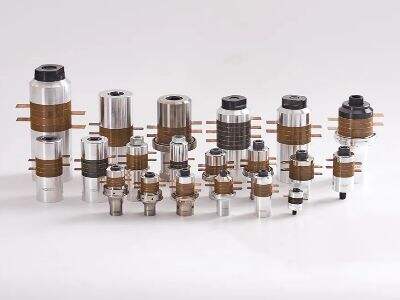
Ultrasonic transducers is special devices that help us to understand sound waves. They send high-frequency sound waves and listen for the echoes. This help measure distances or detect objects. Sometimes these devices have problems. When that happen, it can be frustrating, especially if you rely on them for important task. At SONIC, we know that these issues need quick fixes. So, we will talk about common problems with high-power ultrasonic transducers and where to find reliable help. Knowing these can help you solve issues faster.
What Are the Most Common Issues?
Ultrasonic transducers can face various problems. One common issue is poor sound transmission. Sometimes the sound waves don't travel well, which lead to wrong readings. This may happen because of dirt or debris on the transducer. Cleaning it regular can help fix this. Another problem is when the transducer don't power on. This could be due to bad connection or broken wire. Checking connections and replacing damaged wires can often solve this. And sometimes, the transducer gives erratic readings. This can be confusing. It might happen because of interference from other electronic devices near by. Making sure the transducer is away from other machines help. Finally, if the transducer is old, it might lose sensitivity. Regular maintenance or replacing the unit can be necessary. These issues affect how well the transducer works, so it’s important to pay attention with custom ultrasonic solutions.
Where to Find Reliable Solutions for Ultrasonic Transducer Failures?
Finding solutions for ultrasonic transducer problems can be tricky, but it’s not impossible. One good place to start is the user manual. Most ultrasonic transducers come with a manual that explain common issues and how to fix them. If you can't find the manual, you can look online for help. Many websites offer troubleshooting guides for ultrasonic transducers. You can search forums where other users share experiences. Sometimes they face the same issues you have. If you still can’t solve it, contacting SONIC directly is great option. Our experts can provide advice or assistance for your situation. They guide you through troubleshooting or suggest repairs. Another way is check local repair shops that specialize in industrial ultrasonic systems devices. They can diagnose and fix problems quick. By reaching these resources, you can get your ultrasonic transducer working again.
Step-by-Step Guide
Ultrasonic transducers are important devices that help measure things like distance or detect objects. If you have one, it is essential to know how to troubleshoot when something go wrong. First, make sure you understand how the device works. Ultrasonic transducers send out high-frequency sound waves that bounce off objects and return. This helps measure how far something is. If your transducer not working, start by checking the power supply. Ensure it is plugged in and the outlet has power. You can test by plugging another device. Next, look at the connections. Sometimes cables get loose or damaged. Make sure all wires connected tight and no frays or breaks. If still don’t work, check the settings on the device. Some ultrasonic transducers have modes or settings that need adjust. Look at the user manual for guidance. Another tip is perform a simple test. For example, place the transducer close to a flat surface to see if it detects. If it does, the device likely working, and problem may be with the object. If you followed these steps and it still doesn’t work, it might time to contact SONIC for support or get replacement.
Common Usage Issues with Ultrasonic Transducers and Their Solutions
When using ultrasonic transducers, there are some common issues people face. One is false readings. Sometimes the transducer give measurements that don’t seem right. This can happen if obstacles in the path of sound waves. For instance, soft materials like foam nearby can absorb the sound instead of reflecting. To fix, try moving the transducer to clearer area. If it in open space and still bad readings, check if the sensor dirty. Dust or grime can block sound waves. Gently clean the surface with soft cloth. Another issue is the range of the transducer. Each has specific range it can measure. If you try measure too far, it might not work. Always check specifications of your SONIC transducer to know limitations. If need longer distances, you might need different model. Lastly, environmental factors can affect performance. For instance, if temperature too high or low, it change how sound travels. Make sure use the device in suitable environment for best results.
What Causes Ultrasonic Transducer Malfunctions?
Ultrasonic transducers can malfunction for several reasons, and understanding these can help prevent problems. One common cause is physical damage. If a transducer dropped or bumped, it can get damaged inside, which lead to inaccurate readings. Always handle your SONIC transducer carefully and store in safe place to avoid issues. Another reason could be electrical problems. If there power surge or short circuit, it can damage internal components. To prevent, use surge protectors and check electrical connections regular. In addition, age play a role in how well a transducer works. Like any device, ultrasonic transducers wear out over time. If your not working as well as used to, it might be getting old. Regular maintenance help extend life, so clean it often and check for wear. Lastly, improper installation can cause issues. If the transducer not mounted correct, it may not work as intended. Follow installation instructions carefully to ensure set up right. Understanding these causes can help take better care of your ultrasonic transducer and keep it working well for long time.