Introduction to the Xinlian Incident
01 Experiment Launch:
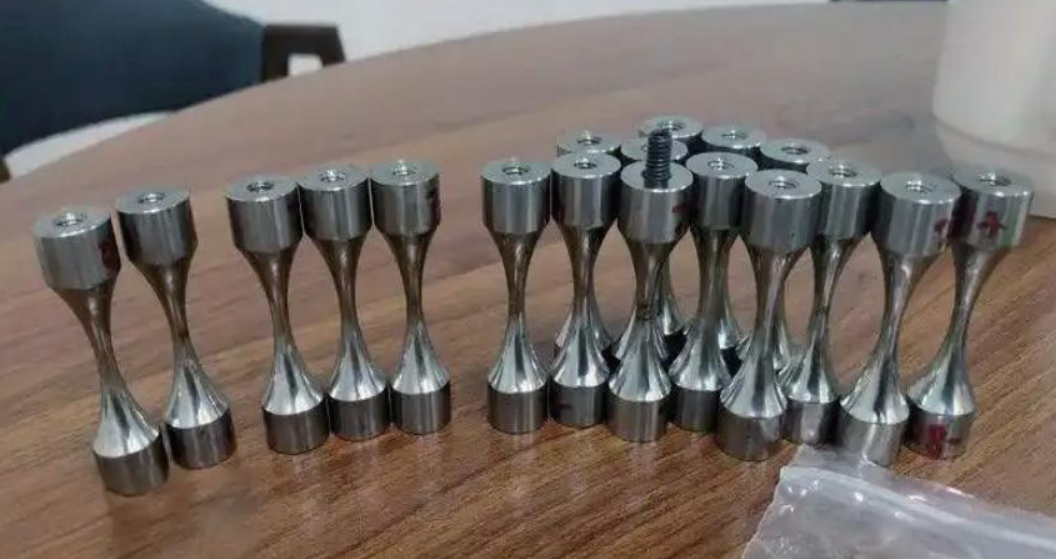
Moving the Laboratory to the Industrial Workshop Recently, Professor Pan Xiangnan from the Institute of Mechanics at the Chinese Academy of Sciences led his research team to Hangzhou Hangchao Technology Co., Ltd. to conduct a series of ultrasonic and ultra-high-cycle metal fatigue tests. Without any elaborate signing ceremony, only the unfolded testing bench and aluminum boxes filled with samples were present—marking the commencement of this collaboration aimed at "moving the laboratory directly onto the production line."
02 The "Trio" on the Test Bench: Vibration Bending, Three-Point Bending, and Tension Testing
①Vibration bending – allowing the specimen to "dance".
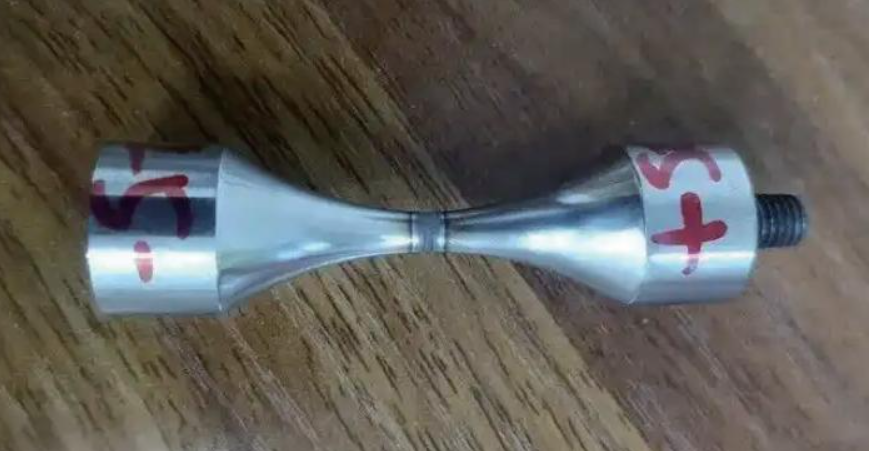
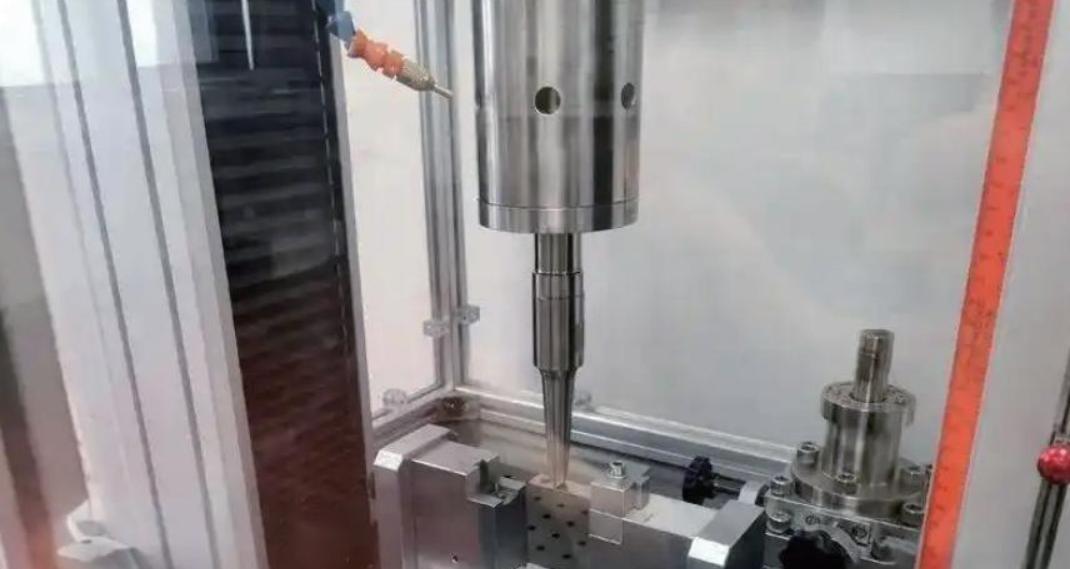
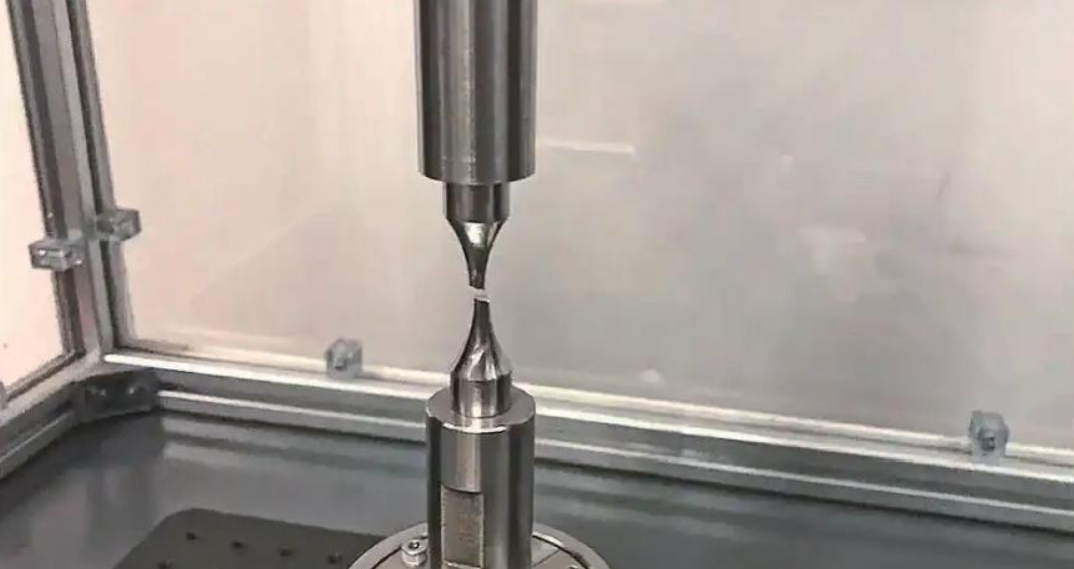
Under Pan Xiangnan's guidance, the technicians first induced "dancing" motion in the sample: high-frequency ultrasound waves reflected back and forth within the specimen, mechanically resonant waves were precisely amplified, resulting in an instantaneous increase in stress amplitude and significantly accelerating the initiation and propagation of fatigue cracks.
② Three-point bend – simulating the "bending limit" under actual operating condition.
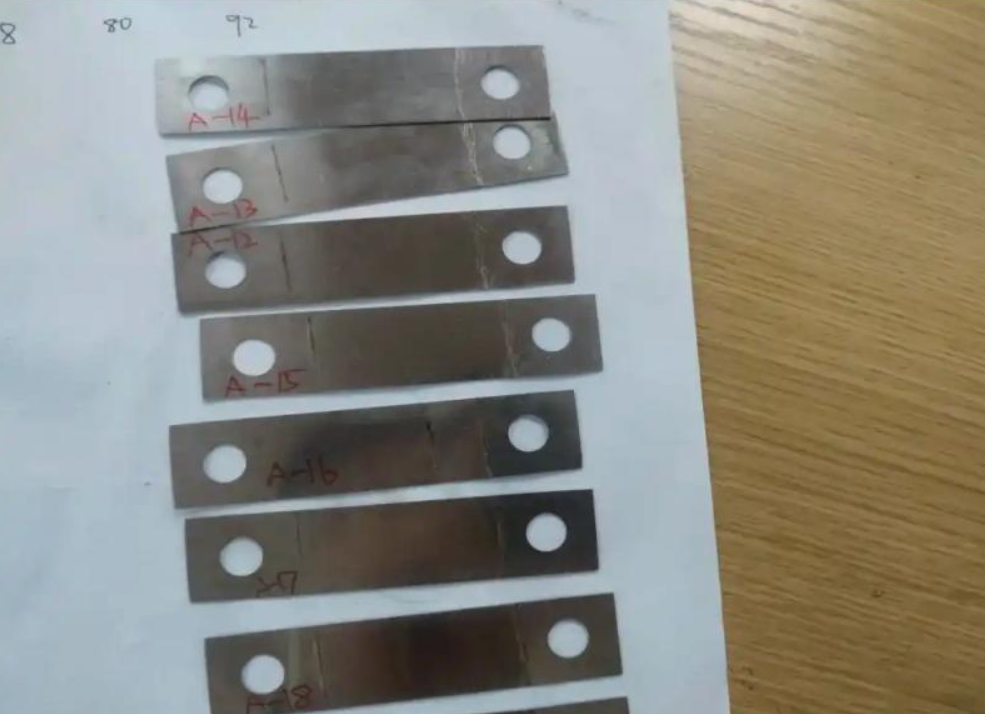
Subsequently, the "three-point bending" stage was initiated. To replicate the operational conditions of air conditioning compressor valve plates, the team positioned the specimen between two rollers and a pressure head, subjecting it to repeated three-point bending cycles until fracture occurred. Professor Pan meticulously adjusted the loading waveform to precisely capture that critical number of bending cycles.
Finally, the pull-out test was conducted. The air compressor continuously delivered cold air, while the specimen was clamped in a specialized fixture and subjected to reciprocating pulling forces. Each "tug-of-war" movement was accompanied by crisp ultrasonic echoes as cracks gradually emerged from the surface, with the S-N curve on the data screen correspondingly rising.
03 The "Cutting-Edge Technology" Behind the Equipment: Third-Generation Ultrasonic Fatigue Testing Machine
The successful completion of this high-density experiment was made possible by the company's self-developed third-generation multifunctional ultrasonic fatigue testing machine.
Its core highlights include three key features:
1) 20 kHz ultra-high frequency—far exceeding the 1 Hz range of traditional fatigue testing machines, compressing the crack propagation cycle to the millisecond level;
2) Wide bandwidth, high output, and high precision—the same device can switch between various loading modes such as axial tension/compression, three-point bending, and vibration bending;
3) An auxiliary optimization design module that allows one-click matching of specimen size, clamping method, and resonance frequency, significantly reducing trial-and-error costs. During operation, Pan Xiangnan repeatedly raised detailed requests such as "Can it be faster?" and "Can the waveform be sharper?" Jiazhen's technical team adjusted the parameters overnight and optimized them by early the next morning, ensuring the experimental pace was not hindered by equipment limitations
04 From the laboratory to the production line:
Domestically manufactured equipment earned praise from experts. As the experiment neared its conclusion, Pan Xiangnan delivered a rare "high commendation" —stating that "its functionality and scalability comprehensively surpass those of imported equipment in the same price range." He immediately decided that subsequent projects would prioritize purchasing domestic ultrasonic fatigue testing machines and recommended that Jiazhen bring the equipment back to the Mechanics Institute for further academic validation. The remark "the scope of cooperation will expand immediately" warmed everyone's hearts: technological implementation was no longer merely an ideal described in research papers but a tangible order on production lines.
05 Epilogue:
Amplifying Cracks into Lifespan Data Upon completing the fracture tests on the final sample set, Pan Xiangnan saved the fracture surface photographs onto a USB drive and provided Jiazhen with a draft experimental report. The report contained no flowery language—only the stark S-N curve and a brief note: "The crack propagation from initiation to penetration required merely 3.2×10⁵ cycles, 28% below the industry average." These figures stood as the most resounding testament to this cross-institutional collaboration.

 EN
EN