 EN
EN
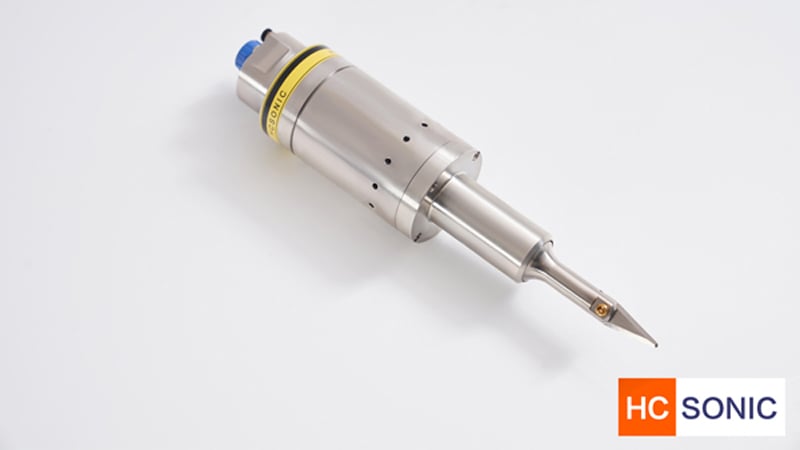
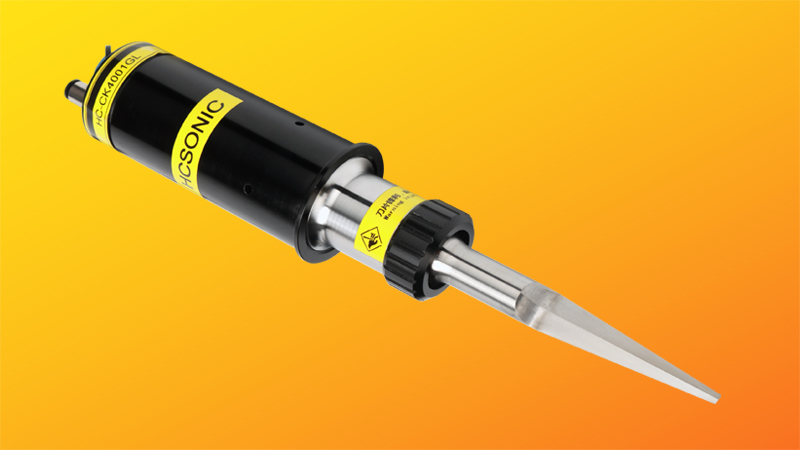
30k ultrasonic replaceable blade cutting knife
Ultrasonic fabric cutter delivering sealed, fray-free edges without machine adjustments.
1. Clean Edge Sealing
Simultaneously cuts and seals, preventing fraying and edge thickening.
2. No Yellowing or Wear
Internal friction heating eliminates surface discoloration and fabric damage.
3. Versatile & Simple Use
Handheld or automated operation with replaceable blades for various textiles.
- Overview
- Recommended Products
Product Description
Ultrasonic fabric cutters are designed to provide the best edge seal on all fabrics without adjusting the machine for different fabrics or thicknesses. Therefore, production efficiency is improved, downtime is reduced, and the cutting method of various fabrics is changed. Ultrasonic fabric cutters are strongly heated and quickly concentrate on the cutting head for cutting, all fabrics have excellent edge seals and most importantly to prevent wear.
Product Details
Ultrasonic fabric cutting
Different fabric cutting techniques
Fabric cutting processes are generally divided into cold cutting and hot cutting. Both of these cutting methods have certain limitations. Compared to cold cutting, when using ultrasonic fabric cutting, the edges of thermoplastic materials melt together after being cut. Compared to hot cutting, ultrasonic cutting makes the edges of the cut fabric very soft, avoiding the melting shrinkage that causes overly thickened edges. Since ultrasonic waves heat the fabric from the inside, there is also no risk of the fabric turning yellow.
Ultrasonic fabric cutting utilizes ultrasonic energy to locally heat and melt the material being cut, achieving the cutting purpose without the need for a sharp blade. It is commonly used for cutting difficult-to-cut materials such as thermoplastic resin boards, sheets, films, laminates, carbon fiber composites, fabrics, and rubber.
The ultrasonic fabric cutting knife vibrates 40,000 times per second (40 kHz) with a maximum output power of 100W, making it easy to cut resins, rubbers, non-woven fabrics, and composite materials due to this motion. The housing of the fabric cutting knife is made of stainless steel, while the blade is crafted from inert, hard, wear-resistant metal—high-speed steel—with a thickness of 0.6mm, which does not undergo persistent chemical reactions with the cutting material. Users can replace the blades themselves, and the high-frequency vibration reduces friction resistance on the cutting surface, extending the blade's lifespan and saving costs.
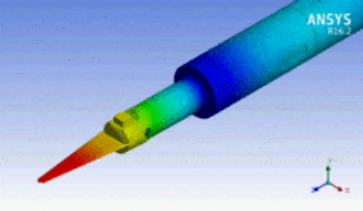
The composition of the ultrasonic fabric cutting knife
--Ultrasonic generator (power source)
The ultrasonic generator converts the power current of 110VAC or 220VAC into a high-frequency high-voltage electrical signal.
--Ultrasonic transducer
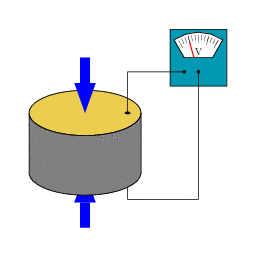
Ultrasonic transducers utilize high-frequency electrical signals from ultrasonic generators and convert them into linear mechanical motion. This conversion is achieved using piezoelectric ceramic disks, which expand when voltage is applied.
--Ultrasonic booster (amplifier)
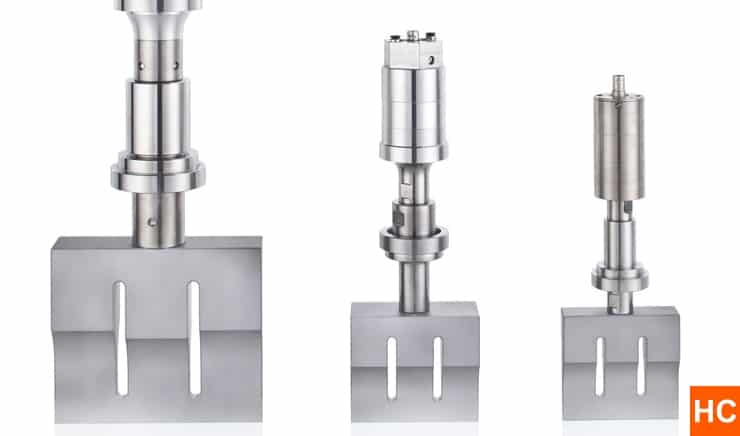
The ultrasonic horn is an adjustable component that mechanically regulates the displacement of the transducer's linear vibration to the required level for specific applications, thereby achieving optimal cutting performance. Ultrasonic fabric cutting equipment integrates the transducer and horn into one unit, resulting in less heat generation, higher efficiency, and greater stability.
--Ultrasonic cutting tool head (blade)
Ultrasonic cutting blades are custom tools designed to vibrate at specific frequencies. These tools are meticulously designed using computer modeling techniques to achieve optimal performance and longevity. The ultrasonic blade must be tuned to match the system's frequency. This tuning process requires consideration of the blade head's mass, length, and geometry.
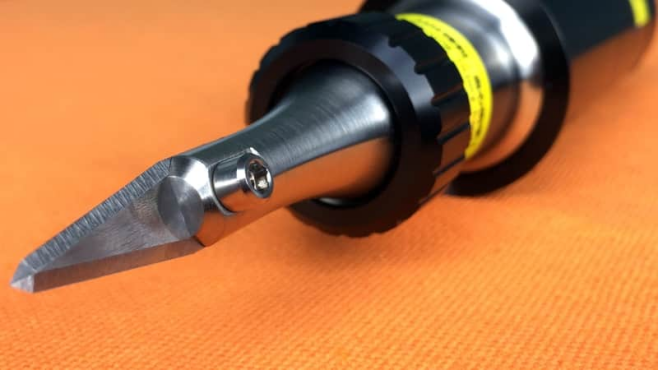
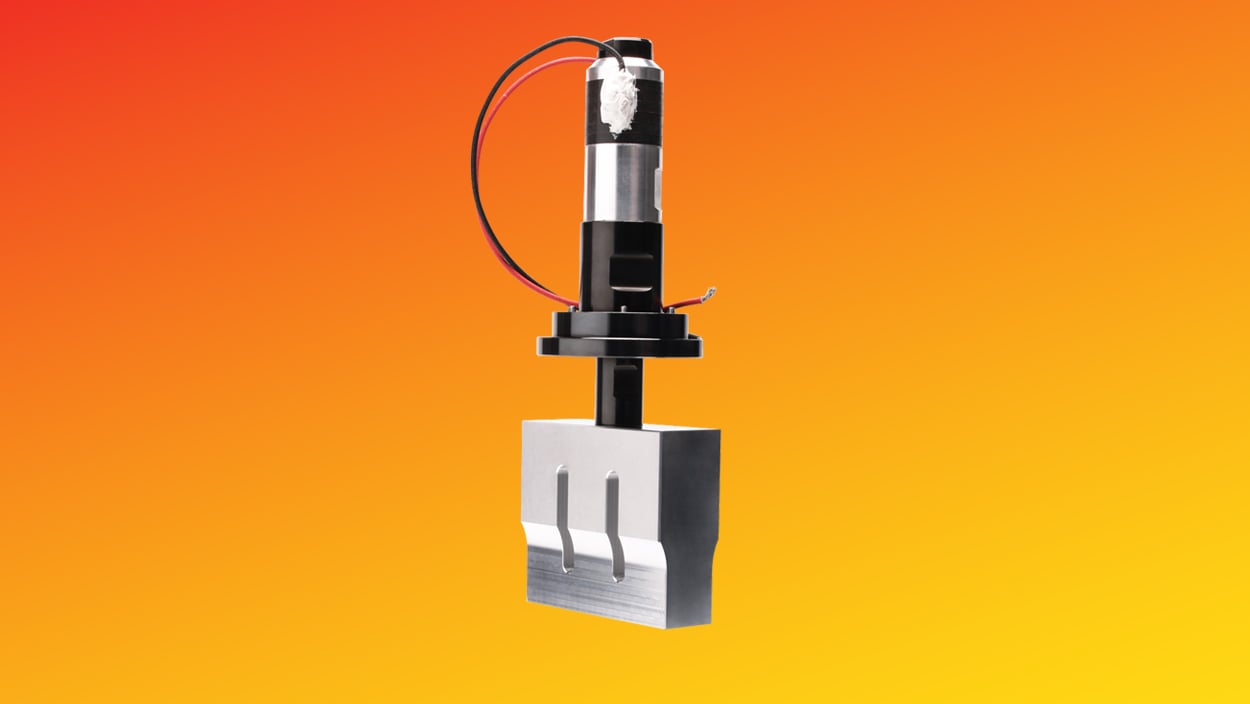
The ultrasonic fabric cutting knife has replaceable blades.
The advantages of ultrasonic fabric cutting:
--The edges are soft.
The cutting edges of the fabric are very soft, avoiding the melting shrinkage that causes excessive thickening at the edges, which affects aesthetics.
--Fabric does not yellow.
Since ultrasound heats the fabric through internal friction, there will be no yellowing of the fabric due to excessively high surface temperatures.
---will not fray or wear out
Simultaneously cutting and sealing the fabric edges results in very neat edges, ensuring that neither the warp nor weft threads of the fabric shift, preventing fraying and damage.
--No sharp blade tip
The blade vibrates and rubs tens of thousands of times per second, locally heating the fabric to melt it, so there is no need for an especially sharp blade.
--pollution-free
The maximum temperature of the ultrasonic knife head during cutting does not exceed 50°C, so it does not produce smoke or odor, making its use safer.
--Use it simply
Ultrasonic fabric cutting knives can be used handheld, or installed into existing production lines, or added to robotic arms.
--The application range is wide.
Various textile materials and plastic films can be cut using ultrasonic technology, such as natural fibers, synthetic fibers, nonwoven fabrics, and knitted fabrics.
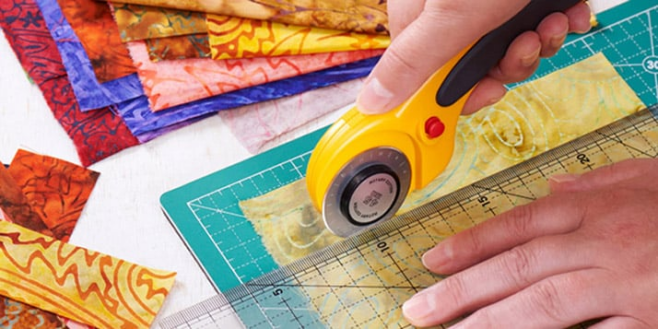
Products not recommended for cutting
--Products with high fat and semi-liquid content
--products that are easy to cut
--irregularly shaped products
--A product with many solid particles
--non-thermally fusible products
Current status of ultrasonic cutting applications
Ultrasonic cutting knives have been widely used in the textile and food industries in recent years. Ultrasonic cutting equipment can precisely cut textiles, rubber, thermoplastic films, knitted and non-knitted materials, as well as various foods. These devices range from handheld units to systems integrated into automated machines. The advantages of ultrasonic cutting technology include: precise cutting, pressure-free cutting (which prevents deformation of soft materials such as cakes), simultaneous welding and cutting of specific material edges, fast cutting speed, and significantly reduced cleaning costs.
Product specifications are as follows:

Introduction to Ultrasonic Plastic Cutting Tools
The primary function of ultrasonic plastic cutting technology is to separate connected components. By employing high-frequency vibrations per second, it reduces the pressure exerted on the material being cut, thereby facilitating the creation of clean and uniform cutting surfaces. Ultrasonic plastic cutting utilizes ultrasonic energy to locally heat and melt the plastic material, achieving the desired cutting effect.
Every object possesses a specific resonant frequency at which it vibrates intensely and may fracture. Applying a precise external force at this particular frequency—even a minimal force—can induce significant vibration; this phenomenon is termed resonance. Resonance technology is employed to generate substantial vibrations in cutting edges.
Operational principle,principle of operation
The ultrasonic plastic cutting blade vibrates 30,000 times per second (30 kHz) with a maximum output power of 300 W. This vibration enables the blade to effortlessly cut resins, rubber, non-woven fabrics, and composite materials. Equipped with a 1 mm-thick wear-resistant carbide blade that can be easily replaced by users, the tool offers extended service life and reduced operating costs. Beyond excellent maintainability, our products are environmentally friendly as they generate virtually no debris, wastewater, noise, or smoke during operation.
The ultrasonic plastic cutting tool consists of an ultrasonic transducer that generates vibrations and an ultrasonic generator that drives the transducer. A piezoelectric element (piezoelectric ceramic) is housed within the transducer; the ultrasonic generator applies an alternating voltage matching the transducer's frequency to the piezoelectric element, inducing resonance throughout the entire vibrator, including the cutting blade. The ultrasonic transducer features a feedback control system that transmits frequency or amplitude deviation data caused by cutting loads back to the generator. This system maintains the cutting head's resonant state and amplitude stability, ensuring the tool always cuts materials quickly and cleanly.
Introduction to Ultrasonic Blade-Replacement Cutting Tools
The ultrasonic plastic cutting knife features a replaceable blade tip with a thickness of 1 mm, manufactured from alloy steel. The sharp blade tip reduces the contact area during cutting, thereby minimizing heat generation. The cutting performance is further enhanced by the application of ultrasonic energy. This ultrasonic plastic cutting knife is suitable for both handheld operation and automated machine fixtures.
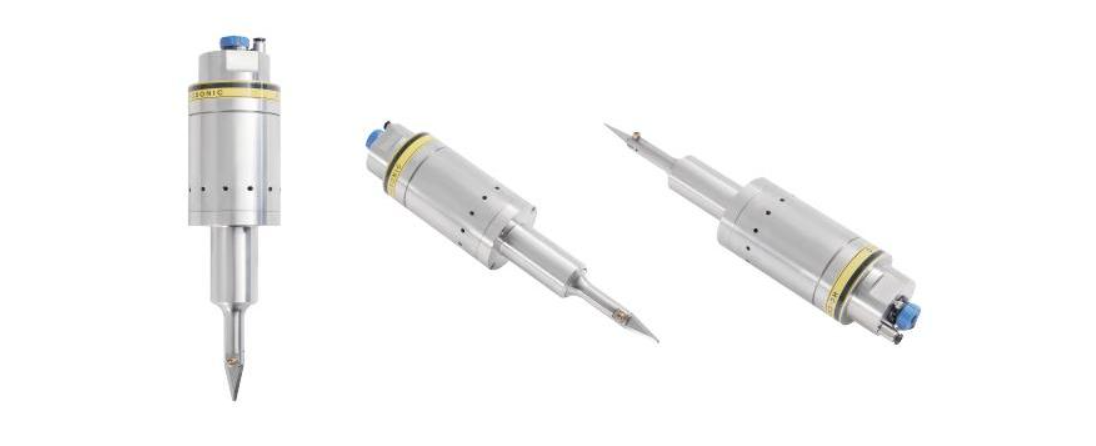
Experimental Demonstration
Plant parameter
| Total Technical Parameters | Vibrating Component Parameters | Assembling components and materials |
| Specification Model: HC-CK3003GL1 | Transducer: Piezoelectric ceramic/imported aluminum | Cooling method: Air cooling |
| Total Power: 300W/500W (optional) | Amplitude rod: titanium alloy | Maximum service temperature: 0–45°C |
| Operating frequency: 30.0 ± 1 kHz | Cutting blade: High-strength die steel | Maximum allowable pressure: atmospheric pressure |
| Input Voltage: 220V/50Hz | Protective housing: SAGANG aluminum alloy |
Cut Example
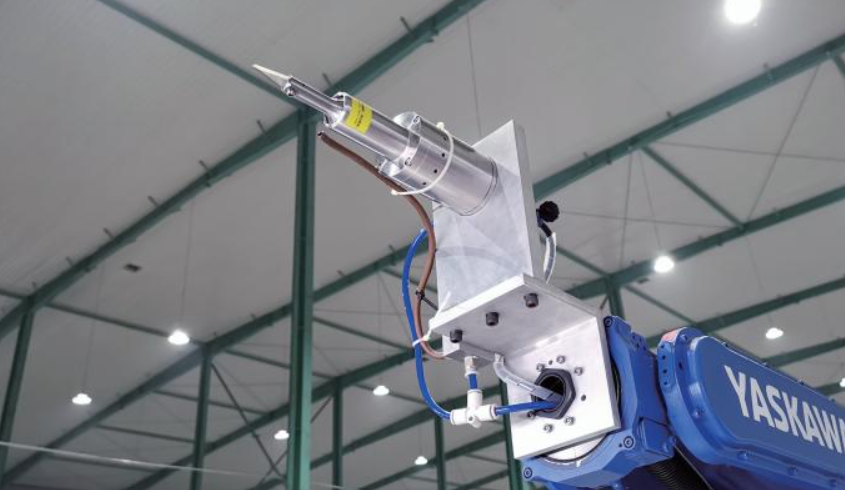
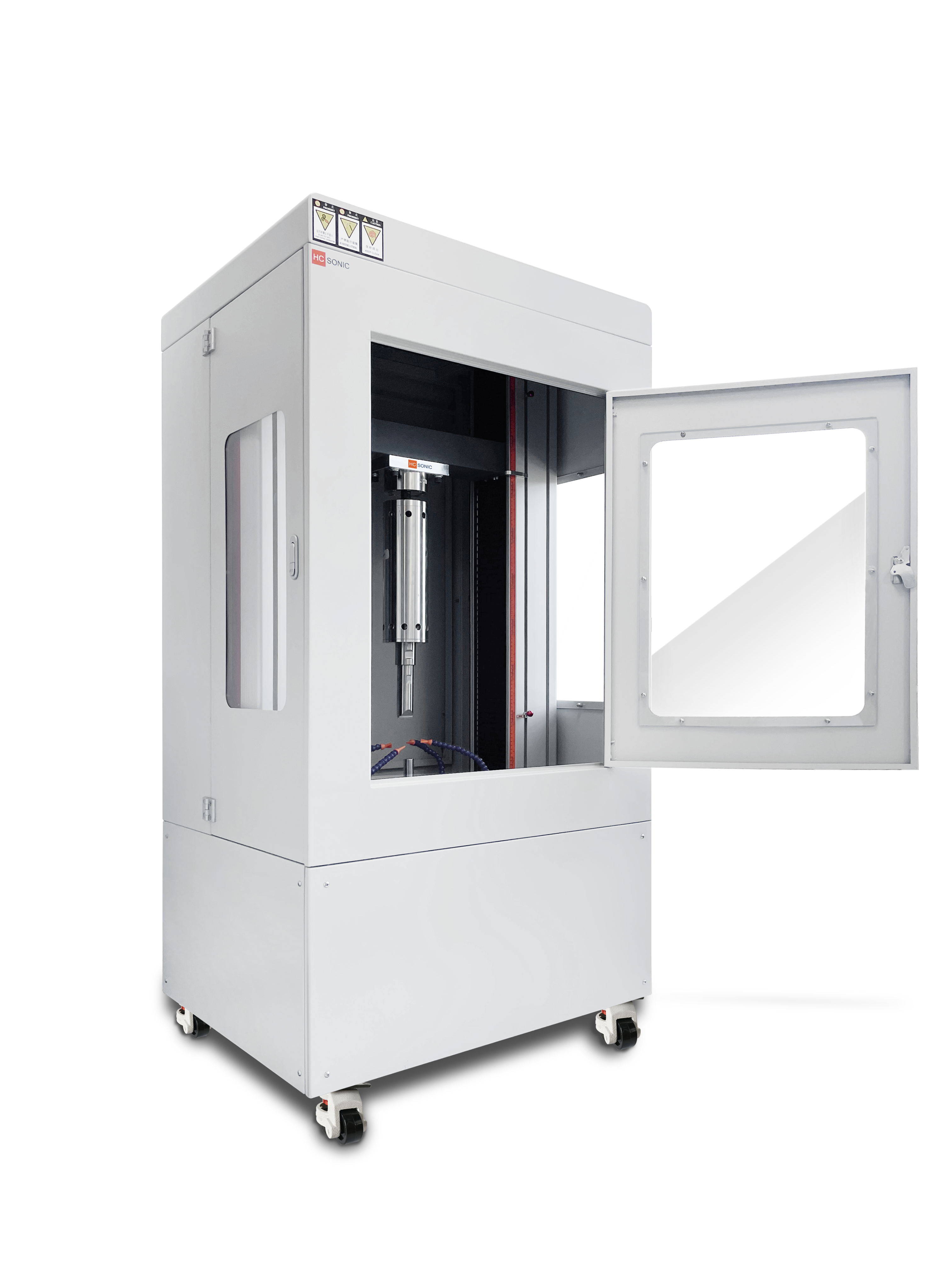
For automated cutting
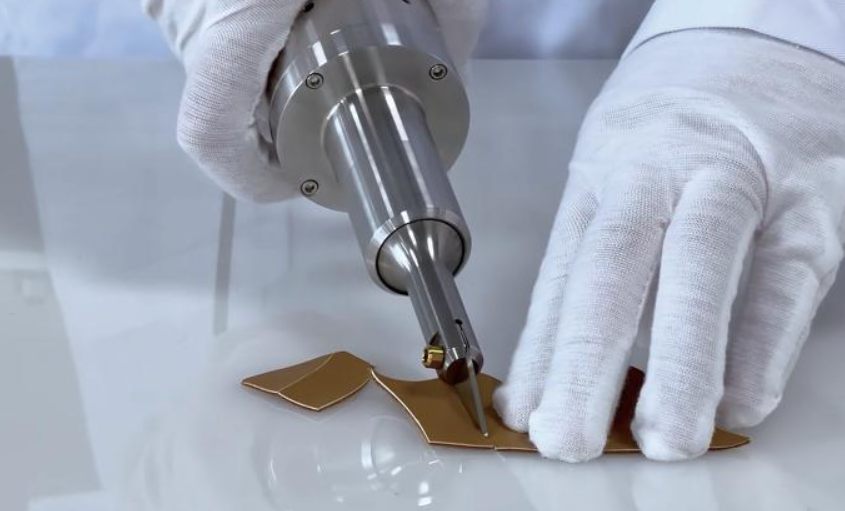
Cutting of artificial leather
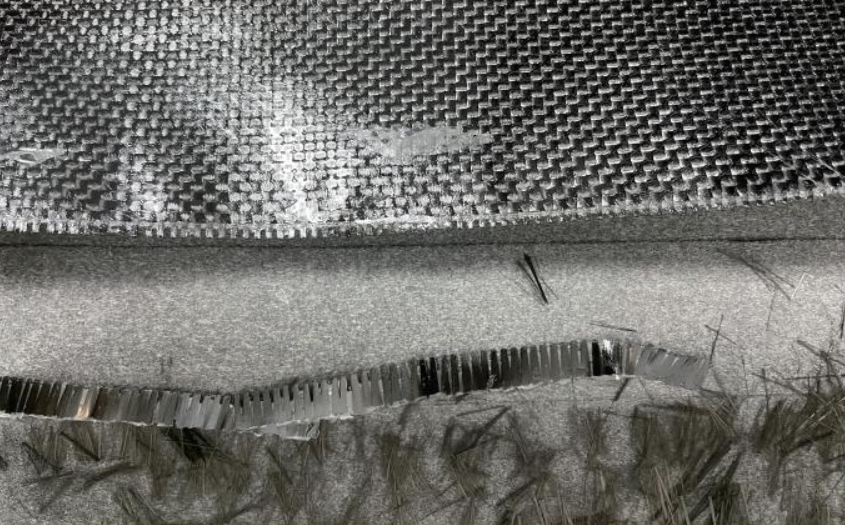
Fiber Cutting Effect
Common Questions Guide
1. Does the ultrasound generated by an ultrasonic cutting knife affect health?
No, ultrasound refers to sound waves with a minimum frequency of 20,000 Hz that are inaudible to the human ear. The decibel level generated during the procedure is kept below 50 (according to the Journal of Natural Science and Medicine, only prolonged exposure above 90 decibels may induce symptoms such as anxiety or palpitations), and it does not adversely affect human health.
2. What are the reasons why an ultrasonic cutting tool may exhibit excellent performance during initial cutting but subsequent cuts show declining performance?
The aforementioned issues arise from multiple factors: the degradation of the transducer's quality factor leads to rapid attenuation of mechanical energy during operation, reduced stability, decreased resonant efficiency, and excessive heat generation.
The transducer and mold are not properly matched, resulting in an imbalance between mechanical energy and thermal energy, which leads to excessive heating and attenuation of the mechanical energy generated during resonance.
The ultrasonic power generator is not properly matched with the ultrasonic components.
3. What are the causes of wave patterns appearing during the cutting process with an ultrasonic cutter?
The appearance of wave patterns during ultrasonic cutting is attributed to insufficient vibration efficiency, resulting in an imbalance between the generated mechanical energy and thermal energy. Adjusting the power level or modifying the output vibration amplitude can improve cutting efficiency and eliminate these wave patterns.