
 EN
EN
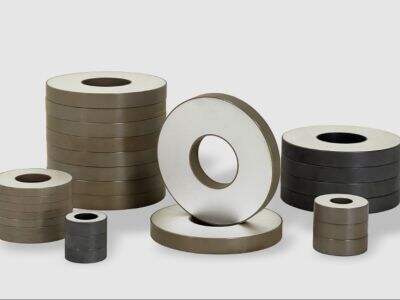
Ultrasonic transducers is special devices that help turn electrical energy into sound waves and the other way around. They get used a lot in various industries, such as manufacturing, healthcare, and home stuff. At SONIC, we understand how key it is to pick the correct transducer for your work. Choosing the right kind can really affect how good your project turns out. This piece will explain the various types of high-power ultrasonic transducers and how to select the best one for what you need.
What Are Different Types of Ultrasonic Transducers for Wholesale Buyers?
So when you look to purchase ultrasonic transducers, it's good to know the main kinds out there. There are several types, each made for particular jobs. The first one is the piezoelectric transducer. This kind uses materials that change form when electricity hits them. These are great for things like cleaning fragile stuff or checking distances. Another usual type is the capacitive transducer. It works by changes in capacitance to pick up sound waves. Capacitive ones often go in sensors and they can be quite sensitive. Also there is custom ultrasonic solutions sensors, used in apps like car parking helps. They detect objects and measure distances by sending and getting ultrasonic waves. For buyers in wholesale, think about the size, frequency, and how sensitive each type are. Some transducers works better in places like underwater, while others suit air better. Knowing this stuff can help you pick the right one for your needs.
How to Pick the Best Ultrasonic Transducer for Your Application?
Picking the right ultrasonic transducer isn't always easy. You have to consider what you aim to do with it. First, look at the frequency. Higher frequencies gives more details, but they don't go as far. If your app needs to check something distant, like in a big tank, you might choose a lower frequency one. Next, think on the place where you will use the transducer. If it's wet, you need one that handles moisture. On the other hand, in dusty spots, you'll want a design that stops dirt from messing its performance. In addition, check the size and shape. Some apps might need a small transducer, while others can take bigger ones. Another point is the power supply. Some needs more power than others, which could change your project's setup. Finally, always look at the maker's specs and reviews from customers. At SONIC, we tell our customers to ask questions and get all info they need. That’s why making a smart choice can save time and money later.
When working on a project that uses sound waves, you might need an ultrasonic transducer. But how do you choose right? First, think about what you want to achieve. Different projects requires different transducers. For instance, if measuring distance, you will need one that sends and receives sound waves good. If cleaning, you need a transducer that makes strong waves to remove dirt. It's key to know the frequency you require. Some works best at low frequencies, others at high. Low ones are good for long distances, high for short and precise checks. The environment matters too. If used outside, it should be tough for weather. If in noisy place, you want one that still functions despite the sounds. SONIC has a variety of industrial ultrasonic systems, and our team can assist to find the right for your project.
When choosing a transducer, there are key features to check.
First, see the sensitivity. A sensitive one can catch smaller sounds, which helps for accurate readings. Next, think about power output. Some projects needs stronger waves, so ensure it provides that. You should also look at size. If space is limited, a smaller transducer might be necessary. Another feature is the beam angle. This shows how wide the sound spreads. Narrow angle suits precise measures, wider covers more area. Make sure to check materials too. Good materials helps it last and work better. SONIC transducers are made with these in mind, so you get a dependable tool.
Conclusion
Once you picked the right ultrasonic transducer, you can improve your project. Start by putting it in the correct spot. This makes a big change in performance. For distance checks, aim it straight at the object. For cleaning, keep it close to the surface for strong waves. You can adjust power if allowed. Higher power improves effect but too much can cause issues like distortion. Testing in your environment is a good way to see how it does. You might need tweaks based on results. Finally, remember SONIC supports you. Our transducers come with guides and service to get best results. With the right one and some adjusting, your project can succeed.