
 EN
EN
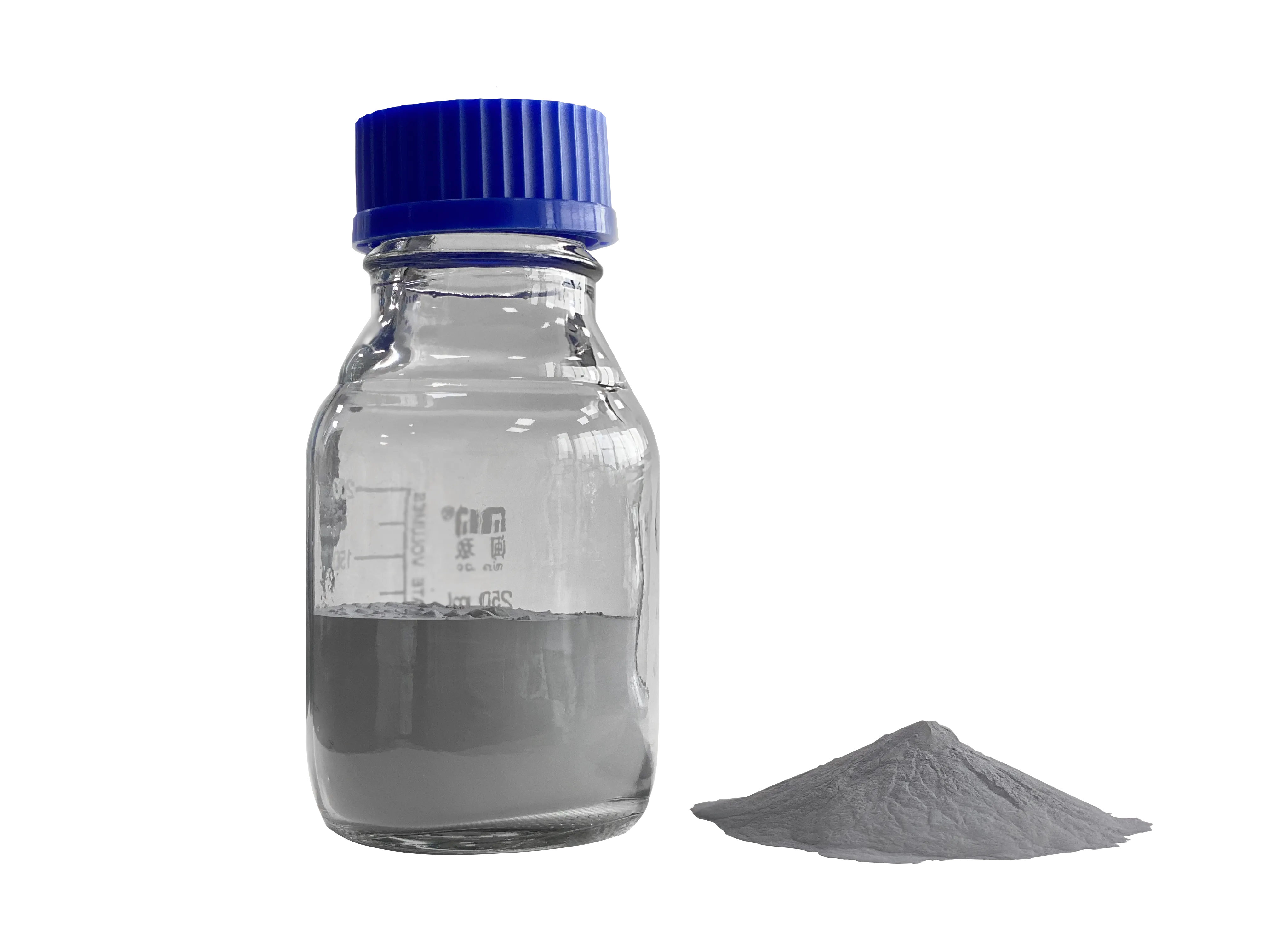
The demand for high-performance materials continues to grow across industries such as aerospace, medical devices, automotive manufacturing, and additive manufacturing. At the center of this transformation is metal powder, a critical raw material used in powder metallurgy and advanced manufacturing processes.
Producing high-quality metal powder for specialized alloys requires precision, consistency, and advanced technology. Traditional methods often struggle to achieve uniform particle size, high purity, and spherical morphology. This is where ultrasonic metal powder making equipment becomes a game-changing solution.
Ultrasonic atomization technology enables manufacturers to produce premium alloy metal powder with superior characteristics, making it ideal for demanding industrial applications.
Understanding Ultrasonic Metal Powder Making Technology
Ultrasonic metal powder making equipment uses high-frequency vibration to atomize molten metal into fine droplets, which rapidly solidify into spherical metal powder particles.
Compared with conventional metal powder production technologies such as gas atomization or water atomization, ultrasonic systems offer enhanced control over particle formation. This results in improved consistency, higher yield of usable powder, and better performance in downstream applications.
The technology is particularly valuable when producing specialized alloys that require precise composition and microstructure control.
Why Specialized Alloys Need Advanced Metal Powder Production
Specialized alloys are designed to perform in extreme conditions — high temperature, corrosion, wear, or mechanical stress. These materials are widely used in:
-
Aerospace turbine components
-
Medical implants
-
Electronics and semiconductor equipment
-
Energy and new energy systems
-
Additive manufacturing (3D printing)
For these applications, the quality of metal powder directly affects final product performance. Irregular particles, contamination, or inconsistent size distribution can lead to defects.
Ultrasonic metal powder making equipment addresses these challenges by producing high-purity and highly spherical particles.
Key Benefits of Ultrasonic Metal Powder Making Equipment
1. Superior Particle Sphericity
One of the most important advantages of ultrasonic technology is the ability to produce highly spherical metal powder.
Spherical particles improve:
-
Flowability
-
Packing density
-
Printing stability in additive manufacturing
-
Surface finish of final parts
This is especially critical for powder metallurgy and metal 3D printing processes.
2. Narrow Particle Size Distribution
Ultrasonic systems provide precise control over droplet formation, leading to a more uniform particle size range.
Consistent metal powder size improves:
-
Process stability
-
Material utilization
-
Mechanical performance
-
Repeatability in production
For specialized alloys, this level of consistency is essential.
3. High Purity Metal Powder
Contamination is a major concern in traditional metal powder production. Ultrasonic equipment typically operates in controlled environments such as vacuum or inert gas.
This results in:
-
Reduced oxidation
-
Minimal contamination
-
Better chemical consistency
High purity alloy metal powder is crucial for aerospace, medical, and electronic applications.
4. Ideal for High-Value and Reactive Alloys
Ultrasonic atomization is particularly suitable for expensive and reactive materials, including:
-
Titanium alloys
-
Nickel-based superalloys
-
Aluminum alloys
-
Precious metals
-
Advanced functional materials
Because the process reduces material waste, manufacturers achieve higher efficiency when producing specialized metal powder.
5. Improved Material Utilization and Yield
Traditional atomization methods often generate a wide size range, meaning a portion of powder cannot be used. Ultrasonic technology increases the yield of usable metal powder.
Benefits include:
-
Lower raw material waste
-
Reduced production cost
-
Better sustainability
-
Higher ROI for premium alloys
This makes ultrasonic metal powder making equipment attractive for high-value production environments.
Advantages in Additive Manufacturing
Additive manufacturing is one of the fastest-growing applications for metal powder. The quality of powder strongly influences printing success.
Ultrasonic equipment produces spherical metal powder with excellent flowability and density, which improves:
-
Layer uniformity
-
Print accuracy
-
Mechanical properties
-
Surface finish
As 3D printing moves toward critical components, advanced metal powder production becomes essential.
Process Stability and Repeatability
Manufacturers require reliable production systems. Ultrasonic technology offers stable operating conditions and reproducible results.
Repeatability ensures:
-
Consistent alloy composition
-
Predictable performance
-
Easier quality control
-
Scalable production
For companies producing specialized alloy metal powder, this consistency is a major competitive advantage.
Energy Efficiency and Sustainability
Modern manufacturing emphasizes sustainability. Ultrasonic metal powder making equipment contributes through:
-
Lower energy consumption compared to some atomization methods
-
Reduced material waste
-
Smaller production footprint
-
Support for circular manufacturing
These benefits align with global trends toward greener advanced metal powder technology.
Technology Trends in Metal Powder Production
The future of metal powder manufacturing is driven by precision, digitalization, and new materials.
Key trends include:
-
Integration with smart manufacturing systems
-
Closed-loop powder recycling
-
Custom alloy powder development
-
Smaller batch flexible production
-
Hybrid atomization technologies
Ultrasonic systems play a central role in enabling next-generation metal powder production.
When to Choose Ultrasonic Metal Powder Equipment
Ultrasonic solutions are especially suitable when manufacturers need:
-
High-quality spherical powder
-
Small to medium batch production
-
High-value alloy processing
-
R&D and new material development
-
Additive manufacturing grade powder
Companies focusing on specialized materials often adopt ultrasonic metal powder making equipment as a strategic capability.
Challenges and Considerations
While ultrasonic technology offers many benefits, buyers should evaluate:
-
Production capacity requirements
-
Material compatibility
-
Investment cost
-
Process expertise
-
Integration with downstream processes
Selecting the right metal powder production solution depends on long-term strategy and target markets.
Conclusion
As advanced manufacturing continues to evolve, the importance of high-quality metal powder becomes increasingly clear. Specialized alloys require precise particle characteristics, high purity, and consistent performance — all of which ultrasonic technology delivers.
Ultrasonic metal powder making equipment provides significant advantages, including superior sphericity, narrow size distribution, improved yield, and suitability for high-value materials. These benefits make it a powerful solution for industries relying on alloy metal powder.
From additive manufacturing to aerospace and medical applications, ultrasonic metal powder production enables innovation and performance improvements. Manufacturers investing in advanced metal powder technology gain better process control, higher product quality, and stronger competitiveness in the rapidly growing materials market.
Table of Contents
- Understanding Ultrasonic Metal Powder Making Technology
- Why Specialized Alloys Need Advanced Metal Powder Production
- Key Benefits of Ultrasonic Metal Powder Making Equipment
- Advantages in Additive Manufacturing
- Process Stability and Repeatability
- Energy Efficiency and Sustainability
- Technology Trends in Metal Powder Production
- When to Choose Ultrasonic Metal Powder Equipment
- Challenges and Considerations
- Conclusion