
 EN
EN
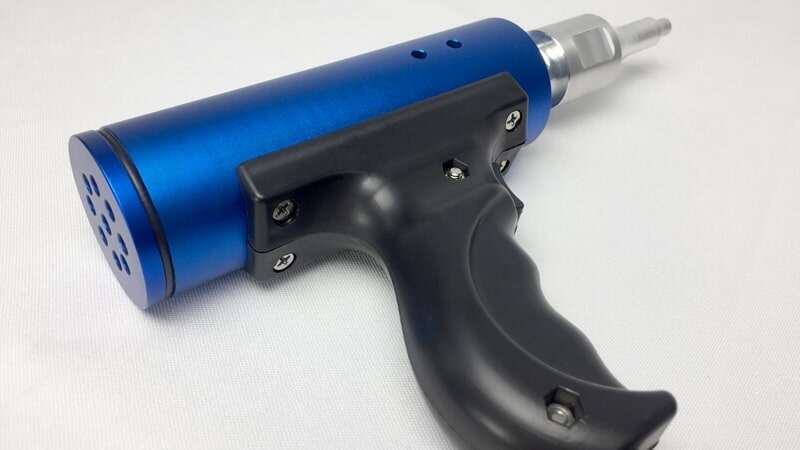
Ultrasonic Metal Powder in High-Integrity Welding Applications
Reducing Porosity and Oxide Inclusions via Ultrasonic Agitation in Weld Pools
Ultrasonic vibrations at high frequencies really boost weld quality because they mess with how gases get trapped and stop oxides from forming properly. When this energy moves through the molten weld area, it creates tiny currents called microstreaming that push out those pesky trapped gases. According to research from last year, this process cuts down on porosity by somewhere between 30 to 50 percent when compared to regular welding methods. At the same time, these little bubbles form and pop right where oxides are trying to stick together, breaking apart those hard bits into super small pieces that spread evenly through the metal as it cools down. The result? No big defects left behind that could become weak spots under stress, which means load bearing joints last much longer before failing.
Enhancing Fusion Kinetics Through Cavitation-Driven Deagglomeration of Metal Powder
The process of ultrasonic cavitation really helps break apart metal powder feedstock that's clumped together. As these intense sound waves move through the powder suspension, they create tiny vacuum bubbles which then collapse violently. These implosions generate incredibly hot spots reaching around 5,000 K temperature-wise, which physically breaks down those stubborn agglomerates into much smaller particles measuring less than 10 micrometers. What this does is boost the surface area available for reactions by about 40 percent, making the bonding process during fusion happen much quicker. Some recent testing has demonstrated some pretty impressive results too: wetting happens 15% faster overall, and when layers are deposited between passes, they become 20% denser. The end result? Stronger welds with an 18% improvement in strength specifically for aluminum-copper combinations according to research published on Academia.edu back in 2023.
Ultrasonic Metal Powder for Advanced Microelectronics Packaging
Enabling Sub-50-µm Bond Lines with Nanoscale Silver and Copper Metal Powder Inks
Getting stable, jet printable nano inks from silver and copper metal powders really depends on ultrasonic dispersion techniques. The cavitation forces break down those tiny particles under 100 nanometers so we can get even deposits of conductive traces measuring less than 50 micrometers. This matters a lot for things like dense 5G antenna arrays, medical biosensor devices, and all sorts of advanced packaging solutions. What makes these nano inks stand out is their ability to retain around 95% of the original metal's conductivity while avoiding those pesky short circuits caused by clumping particles. When compared against regular mechanical mixing methods, these ultrasonically dispersed inks produce features about 30% smaller without messing up the print quality or how well they stick to surfaces.
Achieving Void-Free Thermal Interface Materials Using Ultrasonically Dispersed Metal Powder
For thermal interface materials (TIMs) to work properly in high power electronics, they need almost no air pockets or voids because these can create dangerous hot spots. When manufacturers use ultrasonic processing techniques, the metal powder gets spread out evenly throughout the epoxy base material. This creates interconnected particle networks that help keep air bubbles from getting trapped during production. The cavitation effect breaks up clumps of particles, allowing for much higher filler content around 70 to 80 percent compared to regular mixing methods which typically max out at about 50-60%. Even better, this process maintains a viscosity level that still works well for actual applications. These improved TIMs show roughly 25 to 30 percent less thermal resistance when tested. That means processors in data center graphics cards can maintain their performance levels during those long 16 hour stress tests without overheating. And importantly, it helps prevent those annoying thermal throttling issues that cause system failures over time.
Performance Advantages of Ultrasonic Metal Powder in PCB Assembly
When it comes to making printed circuit boards, ultrasonic metal powders really boost reliability while allowing circuits to get much smaller thanks to how evenly they spread out. The cavitation process creates super fine mixing at the nanoscale level in things like conductive adhesives and solder pastes, which cuts down on air pockets by more than 60% compared to regular mixing methods in those critical thermal interfaces. What does this mean practically? Better heat transfer across the board and fewer interruptions in electrical connections throughout the product life cycle. What makes this technology so valuable is that when particles are distributed uniformly, manufacturers can create strong bonding layers thinner than 50 microns without sacrificing structural strength. This meets the tight space requirements we see in modern automotive advanced driver assistance systems (ADAS) as well as sophisticated avionics equipment used in aircraft. Another big plus is that removing oxides more effectively during the dispersion phase leads to better solder wetting during reflow processes. This strengthens the actual metal-to-metal connections and significantly reduces problems with cold joints forming. All these factors combined result in fewer products needing fixes after assembly, faster production times overall, and compliance with strict industry standards regarding how products handle vibrations and temperature changes over time.
FAQ
What is ultrasonic cavitation and how does it help in welding applications?
Ultrasonic cavitation involves using high-frequency sound waves to create tiny bubbles that collapse rapidly. This process helps break apart metal powder agglomerates, enhancing fusion kinetics and reducing porosity and oxide inclusions in welding applications.
Why are ultrasonic metal powders beneficial in PCB assembly?
Ultrasonic metal powders improve the reliability of printed circuit boards by ensuring even distribution, which reduces air pockets and enhances heat transfer. They also allow for smaller circuit features while maintaining structural strength.
How does ultrasonic dispersion of metal powders enhance microelectronics packaging?
Ultrasonic dispersion breaks down metal powders into nanoscale particles, enabling stable, jet printable inks. This allows for fine conductive traces and improved conductivity, crucial for dense antenna arrays and medical biosensors.
Can ultrasonic processing improve thermal interface materials?
Yes, ultrasonic processing disperses metal powder evenly in epoxy base materials, reducing voids and enhancing filler content. This results in lower thermal resistance, preventing overheating in high-power electronics.
What are the performance benefits of using ultrasonic metal powders?
Ultrasonic metal powders improve welding strength, reduce porosity, enhance heat transfer in electronics, and enable smaller and more reliable circuits, leading to faster production times and compliance with industry standards.
Table of Contents
- Ultrasonic Metal Powder in High-Integrity Welding Applications
- Ultrasonic Metal Powder for Advanced Microelectronics Packaging
- Performance Advantages of Ultrasonic Metal Powder in PCB Assembly
-
FAQ
- What is ultrasonic cavitation and how does it help in welding applications?
- Why are ultrasonic metal powders beneficial in PCB assembly?
- How does ultrasonic dispersion of metal powders enhance microelectronics packaging?
- Can ultrasonic processing improve thermal interface materials?
- What are the performance benefits of using ultrasonic metal powders?