
 EN
EN
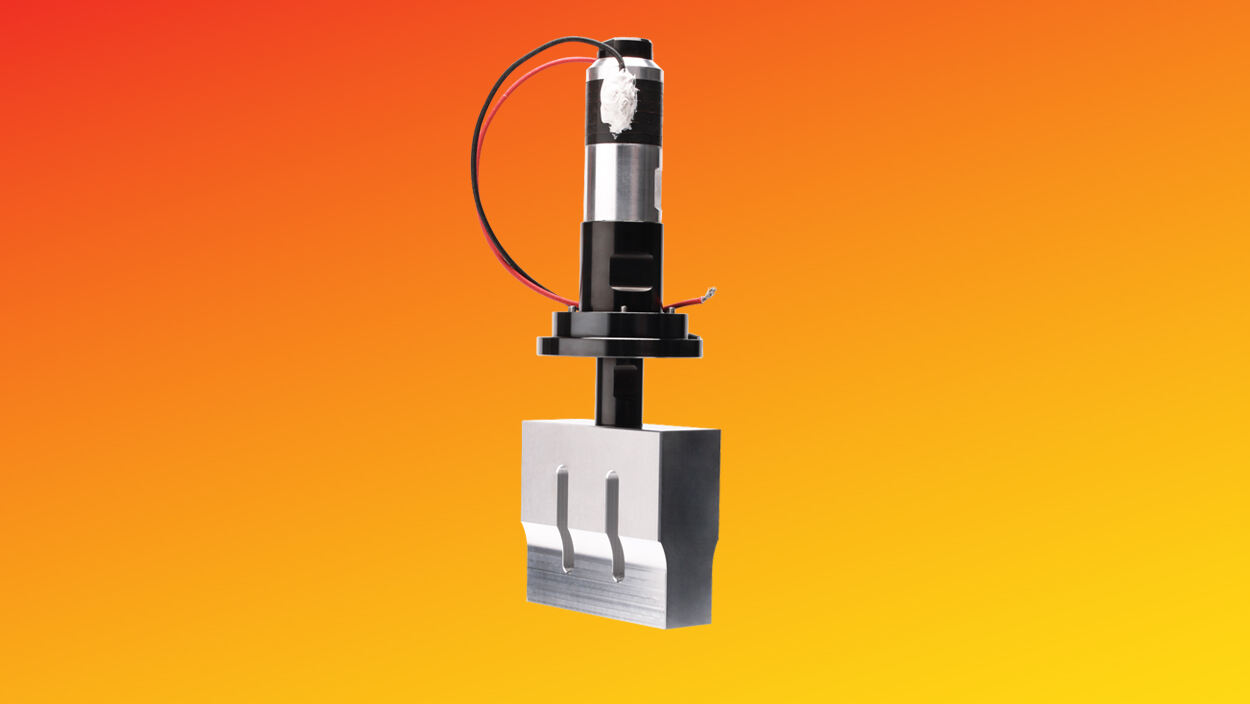
How Ultrasonic Atomization Works: Physics-Driven Metal Powder Formation
Cavitation-induced droplet breakup and spherical metal powder morphology
When ultrasonic atomization gets going, it creates these really strong high frequency vibrations inside molten metal. What happens next? Controlled cavitation! Those tiny vapor bubbles form quickly and then collapse violently right at the surface of the melt. The implosions mess with the liquid boundary layer, which causes those fine, pretty uniform droplets to get ejected. These droplets actually solidify while they're still in mid air, turning into super spherical particles. Compared to gas based methods, this whole process works differently because it's driven by physics principles. It naturally stops those pesky satellite particles from forming and prevents weird solidification issues. That means we end up with smoother surfaces and over 95% sphericity without needing any extra processing steps. Manufacturers love this because the final product has great flowability and packing density, making it ideal for all sorts of precision additive manufacturing needs across different industries.
Resonant frequency tuning for precise particle size control in metal powder
The way particles are sized depends heavily on what ultrasonic resonant frequency we're working with. When frequencies go up between around 50 to 100 kHz, the capillary wavelength gets shorter, which creates much finer droplets. These smaller particles work great for laser powder bed fusion processes that need sizes somewhere between 15 and 45 microns. On the flip side, lower frequencies in the 20 to 35 kHz range produce bigger particles measuring approximately 80 to 150 microns, making them better suited for electron beam melting techniques. Many modern equipment setups can actually change frequencies on the fly during operation, keeping particle size variations within about plus or minus 5 percent. That's significantly better than traditional gas atomization methods which usually have variations around 15 percent. Getting this kind of control matters because it helps meet industry standards like ISO 13320 from 2020. For specific applications such as creating Type 3 solder paste according to IPC-7525 specifications (which requires particle sizes between 25 and 45 microns), having tightly controlled distributions makes all the difference in achieving good print quality and reliable joints in electronic assemblies.
Optimizing Metal Powder for Solder Applications: SAC305, Low-Melt Alloys, and Industry Standards
Tailoring metal powder properties for type 2–4 solder pastes (15–75 μm)
When it comes to producing solder powders, ultrasonic atomization really shines. It consistently creates those narrow distribution particles right around the 15 to 75 micrometer range needed for IPC Type 2 through 4 pastes. What makes this method stand out is how well it handles both the thick, viscous materials and enables fine pitch stencil printing which is absolutely essential when building advanced PCBs these days. SAC305, that's Sn-3.0Ag-0.5Cu if we're being specific, has become pretty much the gold standard for all lead free stuff because it can handle thermal fatigue right up to about 150 degrees Celsius. For components that just cant take the heat though, manufacturers turn to low melt alloys like SnBi. These let them join sensitive parts without worrying about delamination issues. And speaking of specs, most processes hit around plus or minus 5% size tolerance, which actually goes beyond what IPC-7525 calls for. This level of control keeps the paste flowing properly and cuts down on rework costs big time in mass production settings.
Sphericity, oxide layer control, and flowability in solder metal powder
The spherical shape of particles plays a big role in getting uniform paste consistency, making sure stencils release properly, and creating predictable behavior when things heat up during reflow. Using ultrasonic techniques gets us over 95% spherical particles with almost no tiny satellite particles hanging around these main ones. This basically takes care of one major problem area for voids and those annoying bridging issues we see sometimes. When manufacturers shield the atomization process with inert gases at the same time, they can keep surface oxidation down to under 0.1 weight percent. That helps prevent those pesky solder balls from forming and stops wetting problems too. Looking at Hall flow rate measurements between 25 and 35 grams per second tells us something important about how well the material flows. Better flow means better mixing of pastes and more consistent deposits across boards. All these factors combined lead to joints without voids and porosity levels below 5% in both consumer gadgets and serious industrial equipment. Surface oxidation remains a top concern for solder joint failures, but these improvements go a long way toward solving that fundamental issue.
Key Equipment Components for Industrial-Scale Metal Powder Production
High-power sonotrode design for molten metal stability and longevity
Ultrasonic systems used in industry depend heavily on specially designed sonotrodes that can handle intense heat and physical stress. These components are made with special alloy coatings and feature built-in cooling systems so they can maintain proper cavitation even when working with metals melted above 500 degrees Celsius. Getting the amplitude just right within about plus or minus 5 micrometers helps keep the metal surface smooth during processing, which stops unwanted splashing and makes sure each droplet comes out consistently shaped. Most units operate between 20 to 50 kilohertz frequencies, adjusted according to how thick or thin the molten material is. This careful tuning results in perfectly round droplets every time and actually triples the lifespan compared to older models, making them much more cost effective in the long run for manufacturers dealing with high volume production runs.
Cold crucible integration and thermal management in continuous metal powder systems
Cold wall crucibles work by using water cooled copper parts that create a hardened layer around the molten metal. This setup helps prevent contamination issues when working with reactive metals such as titanium or zirconium. The system relies on electromagnetic induction for heating which gives really good temperature control. At the same time, thermal monitoring constantly checks and adjusts cooling speeds within about half a degree Celsius per second. This careful control stops those unwanted satellite formations and keeps particles intact during processing. When running continuously, special phase change materials help maintain consistent heat between batches. As a result, production runs can be up to almost twice as fast compared to traditional batch methods. All these features together allow factories to run non stop day after day, while keeping variations in particle size down to acceptable levels for most industrial applications.
Why Ultrasonic Metal Powder Making Equipment Delivers Superior Reliability and ROI
Ultrasonic metal powder systems get rid of the need for all that high pressure gas equipment, which cuts down on energy usage by about half compared to traditional methods this makes a real difference in how much money companies spend to run their operations. The way these systems work with vibrations actually puts less strain on important parts, so most systems stay running over 98% of the time and the special tools last much longer than before. When it comes to making sure the metal powder is consistently round (over 95% of particles are spheres) and has just the right sizes between 15 and 75 microns, manufacturers find they meet all those tough standards required for solder pastes and additive manufacturing materials. Special vacuum chambers and protective gas environments keep oxidation at bay, so the material stays pure and clean throughout processing stages like compacting, mixing, or printing. Plus, because these systems have modular designs, switching between different alloys happens quickly and even old scrap metal can be reused. Most factories see their investment paid back within a year or two, giving them a solid financial edge when producing everything from stainless steel to nickel and other specialty metals.
FAQ
What is ultrasonic atomization?
Ultrasonic atomization is a process that employs high-frequency vibrations to create controlled cavitation in molten metal, resulting in the formation of fine, uniform droplets that solidify into spherical metal powder particles.
How does ultrasonic atomization control particle size?
Particle size is controlled by adjusting the ultrasonic resonant frequency during the process. Higher frequencies result in smaller particles suitable for laser powder bed fusion, whereas lower frequencies produce larger particles suitable for electron beam melting.
What advantages does ultrasonic atomization offer in solder powder production?
Ultrasonic atomization consistently produces narrow distribution particles needed for various types of solder pastes. It enhances handling of viscous materials and enables fine pitch stencil printing, crucial for modern PCB production.
Why are spherical particles important in solder metal powder?
Spherical particles ensure uniform paste consistency, proper stencil release, and predictable behavior during reflow, reducing voids and bridging issues, improving solder joint quality.
How does ultrasonic metal powder equipment improve reliability and ROI?
The equipment eliminates the need for high-pressure gas, reducing energy costs and increasing uptime. Modular designs allow quick alloy switches and reuse of scrap metal, offering a fast return on investment.
Table of Contents
- How Ultrasonic Atomization Works: Physics-Driven Metal Powder Formation
- Optimizing Metal Powder for Solder Applications: SAC305, Low-Melt Alloys, and Industry Standards
- Key Equipment Components for Industrial-Scale Metal Powder Production
- Why Ultrasonic Metal Powder Making Equipment Delivers Superior Reliability and ROI
- FAQ