 EN
EN
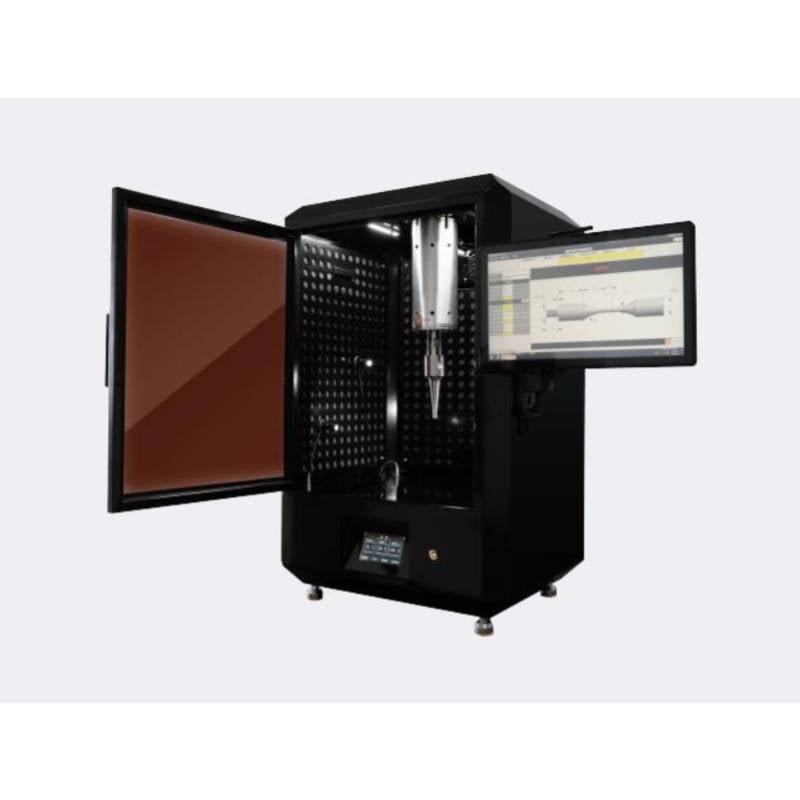
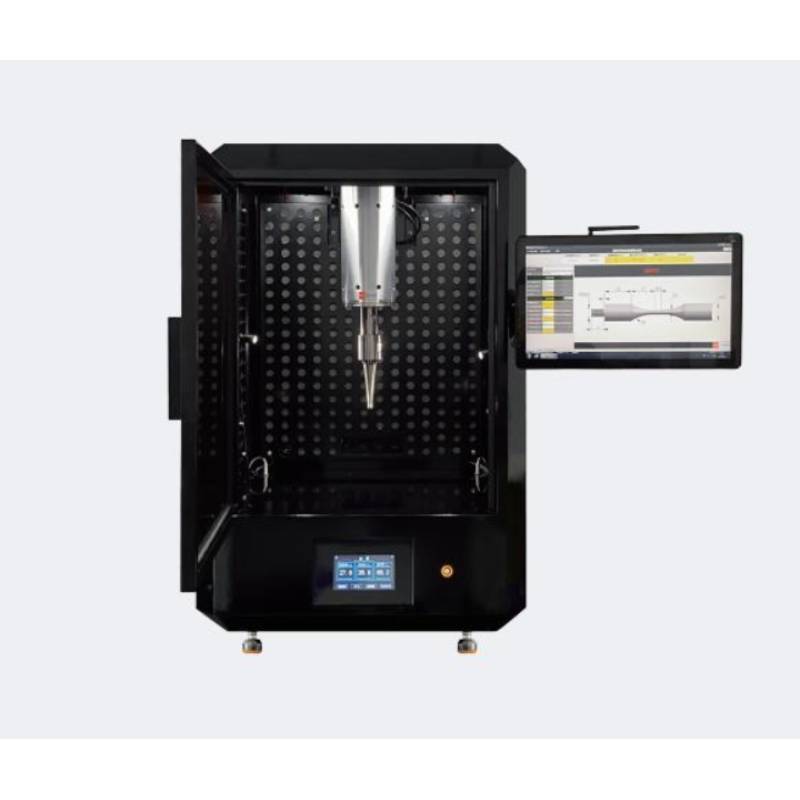
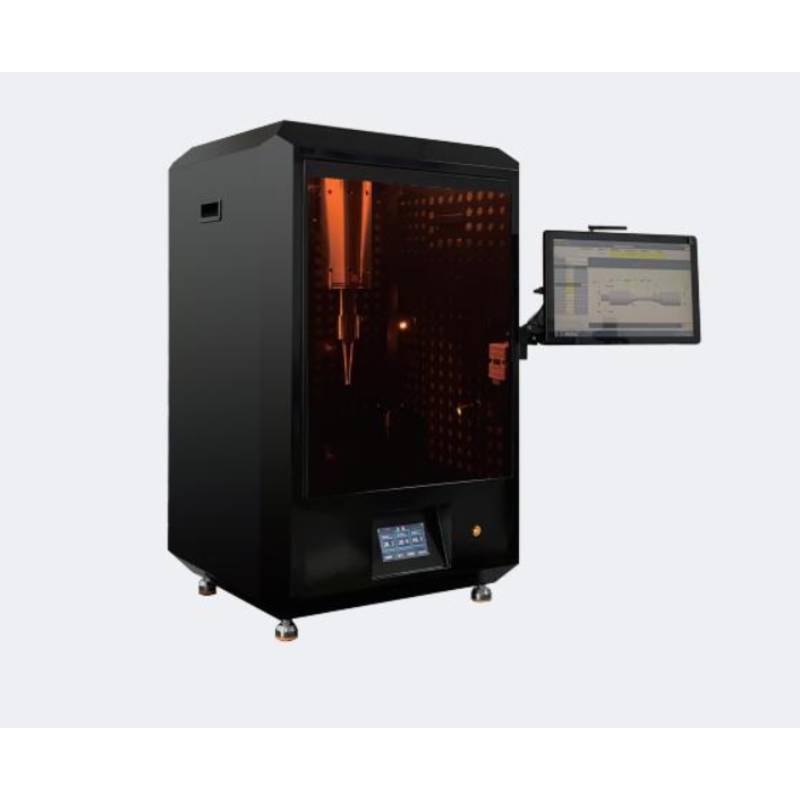
- Overview
- Recommended Products
Device Overview
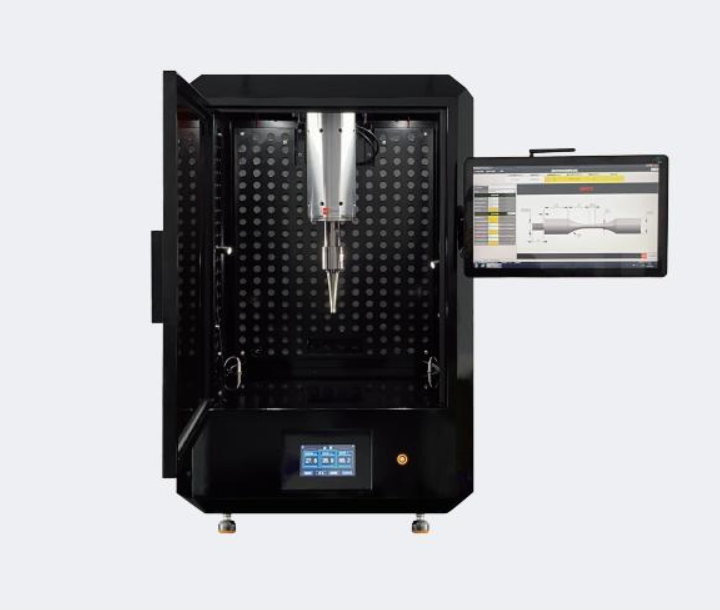
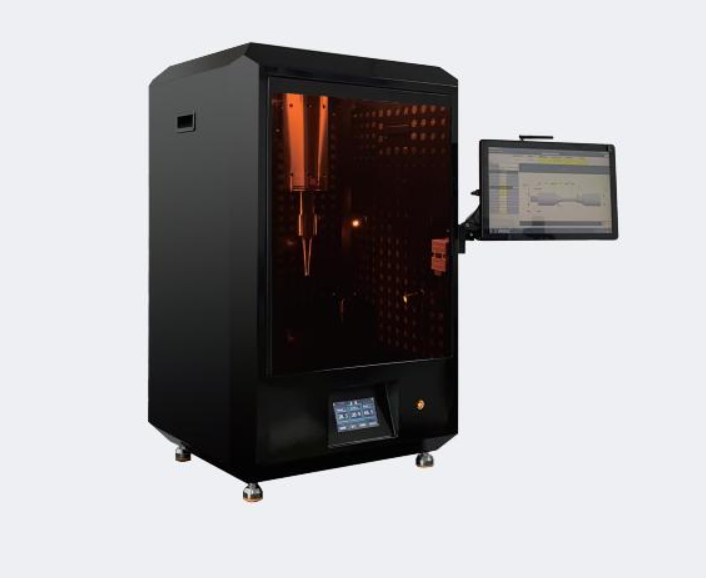
The desktop ultrasonic fatigue testing machine is a compact experimental device that utilizes high-frequency ultrasonic vibrations for material fatigue testing. Compared to traditional hydraulic or motor-driven fatigue testing machines, it features a compact size, high efficiency, and low energy consumption, making it suitable for laboratories and small research institutions.
Key Design Features
1. High-frequency loading: Ultrasonic vibrations are generated via piezoelectric transducers, enabling ultra-high-cycle fatigue testing (e.g., 10^7–10^9 cycles) within hours, whereas traditional equipment requires several weeks to complete such tests.
2. Significantly reduces experimental time, making it suitable for investigating the fatigue performance of materials under ultra-high cycles (e.g., aerospace alloys, biomaterials, etc.).
3. Compact design: Small size (typically desktop-sized), eliminating the need for large hydraulic systems or complex mechanical structures, thereby saving laboratory space.
4. Integrated control system with real-time data acquisition module for convenient operation.
5. Low energy consumption and environmental friendliness: It requires only a few hundred watts of power, significantly lower than that of traditional testing machines (which typically require several kilowatts).
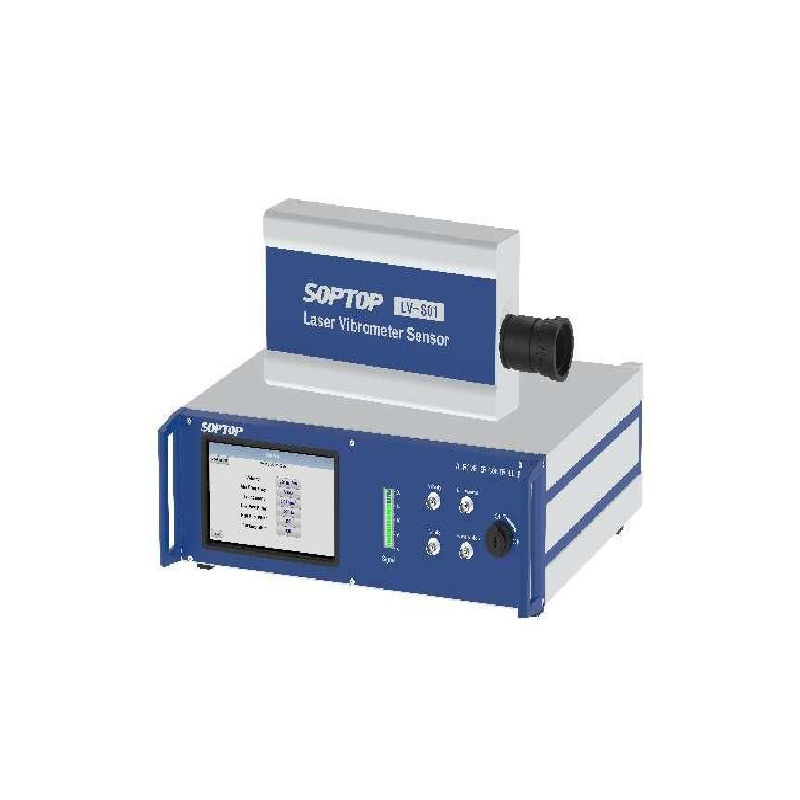
6. Non-contact measurement: Some models are equipped with laser displacement sensors or infrared thermometers to monitor sample deformation and temperature rise in real time, avoiding contact interference.
Core Component
1. Ultrasonic generator: converts electrical energy into high-frequency mechanical vibrations.
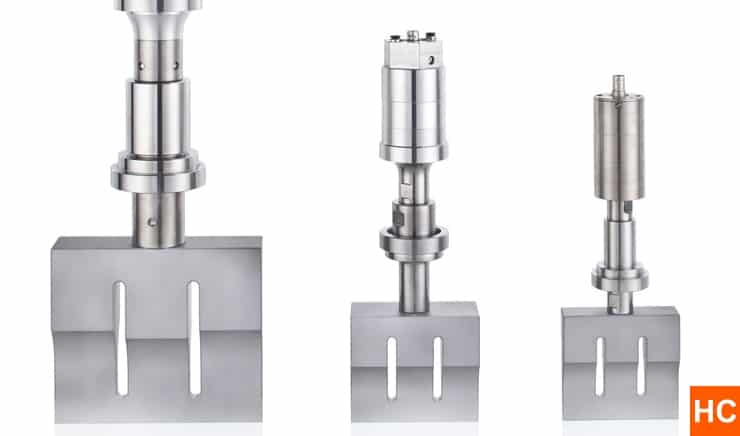
2.Piezoelectric transducer: generates ultrasonic vibration waves.
3.Amplitude rod (Horn): Amplifies the vibration amplitude and transmits it to the specimen.
4.Sample fixture: Custom-designed to ensure the sample matches the resonance frequency of the vibration system.
5.Control System: Adjusts frequency and amplitude, and monitors parameters such as fatigue cycle count and temperature.
Typical Application
1. Material Research: Analysis of ultra-high cycle fatigue behavior in metals, alloys, composite materials, ceramics, etc.
2. Investigate the impact of microdefects (such as inclusions and pores) on fatigue life.
3. Biomedicine; evaluation of the long-term durability of bone implants and dental materials.
4. Microelectronics and MEMS; evaluate the reliability of micron-scale devices under high-frequency vibrations.
5. Education and Research: University laboratories are utilized for teaching and research on the mechanical properties of materials.
Boundedness, limitations
1. Small sample size: Generally only suitable for micro-sized samples (e.g., rod-shaped or sheet samples with a diameter of 1–3 mm).
2. Temperature rise control: High-frequency vibration may cause localized heating, which should be mitigated using a cooling system or intermittent loading.
3. Frequency limitation: Applicable only to sample designs with matched resonant frequencies.
Future trend
1. Intelligence: Utilizes AI algorithms to optimize test parameters and predict fatigue life.
2. Multi-factor coupling: Integrates simultaneous testing capabilities for multiple parameters including temperature and corrosive environment conditions.
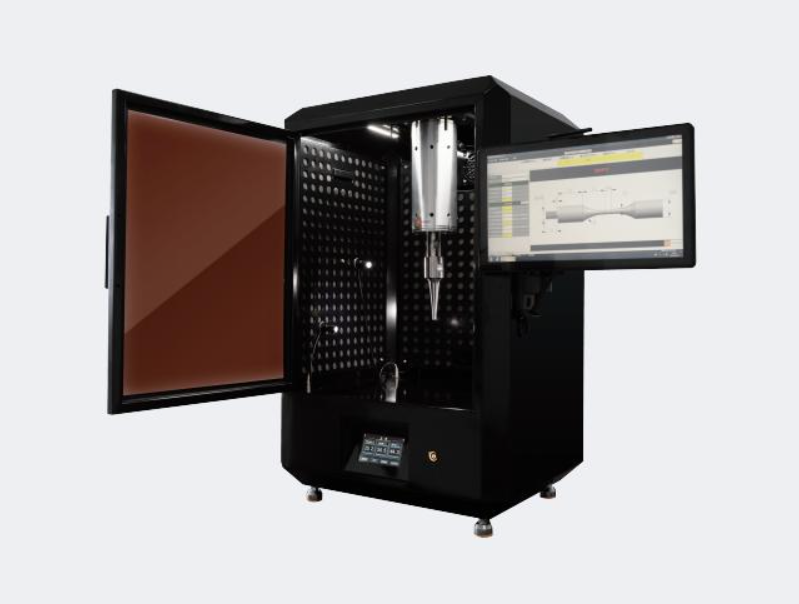
Desktop-based multi-functional ultrasonic fatigue testing machine