
 EN
EN
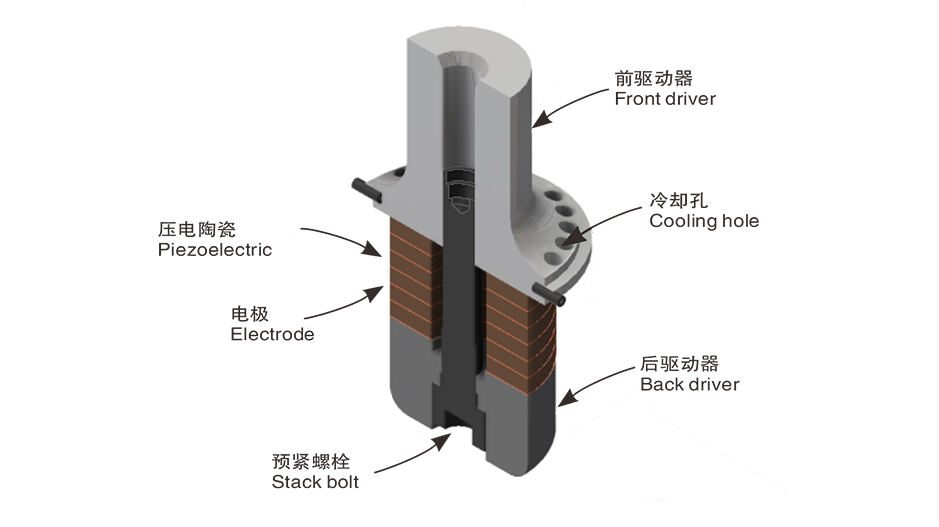
Ultrasonic Transducer Fundamentals and Resonance Behavior
Mechanical dynamics of ultrasonic transducers and their operational principles
Ultrasonic transducers work through piezoelectric energy conversion. When an alternating electric field hits piezoelectric ceramics, these materials actually change shape physically, creating those high frequency sound waves we all know about. What makes this setup so valuable is how well it controls both the frequency and strength of vibrations, something really important for any system needing consistent power output. Looking at the mechanics behind it gets complicated fast. There's all sorts of back and forth happening between what electricity goes in, what kind of material is used, and how things naturally vibrate. Best results happen when the frequency that drives the whole thing matches exactly what the transducer wants to resonate at naturally. Get that right, and everything works smoothly together.
Series resonance model and impedance characteristics in ultrasonic transducers
When a transducer operates at series resonance, its electrical impedance drops to the lowest possible level, which means current can flow freely and energy gets transferred efficiently. At this point, the inductive and capacitive reactances basically neutralize each other, so what remains is just the resistance component controlling how much power gets consumed. What makes this state so valuable is that it significantly reduces energy losses and keeps things cool even during operation, which is why engineers love using it for those high power applications where efficiency matters most. Getting the driving circuits right to work with this low impedance condition isn't just important it's essential for maintaining stable performance when dealing with all sorts of different load conditions across various systems.
Parallel resonance model and comparison with series configuration
When we talk about parallel resonance, what we're really looking at is a situation where the system's impedance hits its highest point. This means there's not much current flowing through the circuit, but the voltage gets pretty intense across those piezoelectric components. Series resonance works differently entirely since there's basically no phase lag between voltage and current signals. But with parallel resonance? That creates this neat little 90 degree angle between them instead. Most folks reach for series resonance when they need serious power output, think things like heavy duty ultrasonic cleaners in factories. However, if someone wants to detect tiny changes with great accuracy, parallel resonance becomes their friend because it responds so strongly to small voltage fluctuations.
Real-Time Resonance Frequency Tracking in Ultrasonic Transducer Systems
Phase-based and current-based resonance tracking for dynamic frequency adjustment
Keeping resonance stable when conditions change demands real time frequency monitoring. The current based approaches work by adjusting drive frequencies to either boost or reduce current levels during series or parallel resonance situations. But these methods often run into problems because loads can fluctuate so much, plus they tend to be pretty insensitive right around the resonance point. Phase based tracking offers something different though. It looks for where voltage crosses over to current, which gives a much better and steadier error signal for those closed loop control systems. This approach seems to handle variations much better according to recent research from Piezodrive last year.
Role of phase-locked loop (PLL) in maintaining precise frequency control
PLLs play a key role in getting accurate frequency control for ultrasonic systems. These devices work by constantly checking how the driving voltage's phase matches up against what comes out as current, then creating correction signals so everything stays on track at the right resonant frequency. What makes them really useful is their ability to stay stable within about 0.1% accuracy even when there are sudden changes in load conditions. And they do this pretty fast too, responding in less than half a second which means operations won't get interrupted during those tricky transient moments when things change rapidly.
Adaptive stabilization under load variation and thermal drift
Today's ultrasonic drivers come equipped with digital signal processors or DSPs that run smart algorithms capable of adjusting for temperature changes and shifts in mechanical loads. The systems look at several different feedback signals like quality factor Q values, phase angles, plus how much power gets lost during operation. This helps them tell the difference between short term fluctuations and real lasting changes in conditions. When these corrections happen ahead of time, the equipment stays accurately resonant despite load swings of as much as three times normal levels. They beat traditional fixed frequency systems hands down in tough situations where consistency matters most, think plastic welding operations or when doing heavy duty industrial cleaning tasks.
Power Output Regulation and Vibration Amplitude Stability
Feedback-enhanced control loops for consistent power delivery
Feedback control systems keep power delivery steady by constantly checking what's coming out and tweaking the input signal as needed. Some top end voltage regulators can check terminal voltage an amazing 50 thousand times every single second, which means they react to changes in load within just two milliseconds flat. These fast adjustments help maintain the same level of vibration no matter what's going on around them. That stability is really important stuff when we're talking about things like medical equipment where precision matters or industrial processes where downtime costs money.
Constant current vs. constant voltage modes in amplitude control
When it comes to keeping amplitude stable in ultrasonic systems, there are basically two main approaches used: constant current and constant voltage settings. With constant current mode, what happens is the system keeps the mechanical output pretty much the same even if there are changes in impedance because it maintains a steady current flow. This makes it really good for situations where we need consistent cavitation effects or controlled stress levels during processing. Then there's constant voltage mode which focuses on keeping the electrical input stable instead. This tends to work better when the load doesn't change much over time. The smart ones out there have taken things further though. Some newer models actually switch back and forth between these modes automatically depending on what's happening in real time. This kind of adaptability helps them perform well across all sorts of different conditions without manual adjustments.
Impedance Matching & Synchronization for Ultrasonic Transducer Networks
Optimizing energy transfer through generator-transducer impedance matching
Getting good energy transfer really hinges on matching the impedance between generators and transducers correctly. When these don't match up, we're talking about as much as 33% signal reflection according to RF Design Principles from 2023, which not only cuts down efficiency but also poses a risk of damaging components over time. Systems where the impedance is properly aligned typically hit around 95% power transfer efficiency, whereas those with mismatches often struggle below 70%. For dealing with transducers that have complicated reactive characteristics, engineers turn to advanced LC networks or transformers to adjust those impedance ratios on the fly. This kind of dynamic tuning becomes absolutely critical in applications where performance stability matters most.
Resonant frequency alignment to minimize signal reflection and power loss
Getting everything synchronized across the system requires matching the generator's output frequency precisely with the transducer's mechanical resonance point. When there's even a small mismatch here, we start seeing problems like impedance issues which cause energy to bounce back instead of being properly transmitted, and this reduces the overall signal strength. That's where PLL controllers come into play, keeping things aligned pretty much spot on within about 0.1% variance from what's needed. This helps cut down on energy loss and stops unnecessary wear and tear when the system runs away from its ideal resonance conditions. The benefit? Transducers last longer obviously, but tests show efficiency gains can reach around 25% better than those old fixed frequency setups most plants still use.
Software-Driven Intelligence in Ultrasonic Transducer Management
Smart software systems for real-time tuning and performance optimization
Modern ultrasonic transducers rely heavily on smart software that works behind the scenes to manage operations. This software constantly monitors things like impedance levels, phase shifts, and temperature readings in real time so it can adjust frequencies and power output as needed. The control systems keep the equipment resonating properly even when conditions change unexpectedly, which makes them run better while also preventing potential damage from overheating or misalignment. Some studies show that these adaptive systems boost power transfer efficiency around 22 percent over traditional static approaches according to research published back in 2013. For anyone running industrial equipment, this kind of improvement means longer lasting machines and fewer costly breakdowns down the road.
Case example: Leading manufacturer's adaptive control in industrial cleaning systems
One major equipment maker recently introduced smart software into their industrial cleaning machines so they can keep the cavitation level steady even when things change around them like fluid amounts going up and down, different shaped parts being cleaned, or temperature shifts happening during operation. What makes this system special is its ability to track frequencies as they happen and adjust power automatically, which means better cleaning results no matter what kind of workload comes along. Tests show these new systems actually cut down on energy usage somewhere around 15 to 20 percent over older models. For factories dealing with tough cleaning requirements day after day, this kind of software upgrade represents a real game changer for ultrasonic cleaners, making them both more reliable and less expensive to run long term.
Frequently Asked Questions (FAQ)
What is the primary purpose of ultrasonic transducers?
Ultrasonic transducers are used to convert electrical energy into high frequency sound waves through piezoelectric conversion. They are crucial in applications requiring precise control of frequency and vibration strength.
How does series resonance benefit ultrasonic transducers?
Series resonance reduces electrical impedance to its minimum, allowing efficient energy transfer and minimal energy loss, which is valuable in high power applications where efficiency is critical.
Why is real-time resonance frequency tracking important?
Real-time frequency tracking ensures stability in resonance frequency, which is crucial for maintaining optimal performance despite changes in load conditions.
How do PLLs contribute to frequency precision in ultrasonic systems?
PLLs continuously adjust to align driving voltage and current phases, maintaining frequency stability and minimizing disruptions even with sudden load changes.
What role does software-driven intelligence play in ultrasonic transducer management?
Smart software systems monitor real-time operational variables to adjust frequencies and power outputs, enhancing operational efficiency by preventing overheating and misalignment.
Table of Contents
- Ultrasonic Transducer Fundamentals and Resonance Behavior
- Real-Time Resonance Frequency Tracking in Ultrasonic Transducer Systems
- Power Output Regulation and Vibration Amplitude Stability
- Impedance Matching & Synchronization for Ultrasonic Transducer Networks
- Software-Driven Intelligence in Ultrasonic Transducer Management
-
Frequently Asked Questions (FAQ)
- What is the primary purpose of ultrasonic transducers?
- How does series resonance benefit ultrasonic transducers?
- Why is real-time resonance frequency tracking important?
- How do PLLs contribute to frequency precision in ultrasonic systems?
- What role does software-driven intelligence play in ultrasonic transducer management?