
 EN
EN
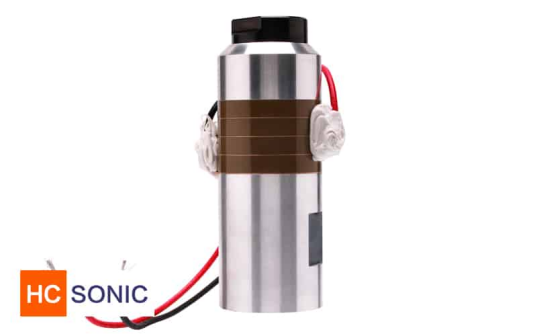
How Ultrasonic Transducers Work: The Science Behind High-Frequency Performance
From electrical signals to mechanical vibrations: The core operation of ultrasonic transducers
Ultrasonic transducers used in industrial settings work by turning electrical energy into those high frequency mechanical vibrations we all know about. Inside them are these special piezoelectric materials that actually change shape when electricity hits them. Pretty cool stuff really! The rapid deformation creates those ultrasonic waves which then travel through whatever medium they're placed in. Because of this neat trick with energy conversion, we can do measurements and detections without touching anything at all. That's why these devices show up so much in quality checks, medical imaging, and various tests across different industries where getting accurate results matters most. Companies rely on this technology because it just works so reliably time after time.
The piezoelectric effect: Enabling high-frequency response in industrial transducers
At the heart of how ultrasonic transducers work lies something called the piezoelectric effect. Some materials, especially those ceramic ones labeled as piezoelectric, do interesting things when electricity hits them. They actually change shape when electricity flows through them, and they create electricity when someone squishes or stretches them physically. Because these materials can go both ways, they make great components for devices working at high frequencies, usually above 20 kHz. Most industrial grade units run somewhere between 100 kHz all the way up to 100 MHz depending on what job they need to do. What kind of material gets used matters a lot too. Different materials affect how well the device responds to signals, how sensitive it is, and whether it stays stable over time. That's why picking the right material isn't just important, it's absolutely essential for getting good results in specific applications.
Resonance, frequency range, and tuning in transducer design
Getting the best out of a transducer means matching its operation to what's called the natural resonant frequency. This depends on both the materials used and how big the device actually is. When running at this sweet spot, the transducer converts energy most efficiently, giving us maximum output while wasting very little power. Most industrial models are built for certain frequency ranges. General purpose ones typically work between 1 and 10 MHz for things like non-destructive testing, but there are special versions that go way beyond 100 MHz when we need them for checking semiconductors. Tuning these devices isn't just about hitting the right notes though. Good engineers know they have to find that delicate balance between bandwidth and sensitivity so signals stay clear even in tough environments. And let's not forget proper tuning makes a huge difference in signal quality too. Cleaner signals mean better detection of those tiny flaws that matter so much in high precision manufacturing applications.
Key Advantages of Industrial Ultrasonic Transducers in High-Frequency Use
Non-destructive testing (NDT) with precision at micro-scale levels
Ultrasonic transducers operating at high frequencies offer outstanding resolution for non-destructive testing purposes. These devices can spot tiny flaws including cracks, voids, and variations in materials at the micrometer level. Since they don't harm the items being tested, they work really well in important sectors such as aerospace engineering and semiconductor production. In those fields, small defects might actually put safety at risk or break how things function properly. What makes them so valuable is their capability to find problems beneath surfaces without needing to take apart components. This means manufacturers get reliable checks on parts quality without compromising what makes the products themselves work correctly.
Real-time monitoring and consistent performance under demanding conditions
Transducers enable ongoing monitoring right in the middle of manufacturing operations, giving instant alerts when something goes off track quality-wise. Traditional spot checks just don't cut it anymore compared to these high frequency ultrasonic systems which keep working reliably for months at a time even in tough factory conditions. They collect data constantly, which makes all the difference for integrating them into production lines and maintaining quality control throughout the process. When things run non-stop like this, problems get caught much earlier before they cause bigger issues down the line. What's really impressive about these ultrasonic transducers is how durable they are. Most last years without any noticeable drop in their signal strength, making them a smart investment for manufacturers looking to improve both efficiency and product consistency.
Durability and reliability in high-power, continuous-operation environments
Industrial ultrasonic transducers are built tough enough to handle continuous high power operations even when things get really harsh out there. These devices use strong materials plus clever thermal management systems that keep them running right despite all sorts of problems like overheating, physical stress, and nasty chemical environments. What makes these units so valuable is their ability to maintain good sensitivity readings and stable signals over time, which means fewer breakdowns and less need for constant repairs. For factories needing equipment that works nonstop day after day, these transducers make sense in places like quality control stations on production lines or in big processing plants where reliability matters most. Many plant managers have found that investing in durable transducers pays off handsomely in reduced maintenance costs and better overall productivity rates.
Critical High-Frequency Applications in Industrial Testing and Semiconductor Inspection
Ultrasonic Imaging of Chips and Multilayer Circuit Boards for Defect Detection
Ultrasonic transducers offer detailed images of complicated electronic parts without damaging them. These devices work at frequencies over 100 MHz to spot tiny defects measuring just microns across on chips and multi-layered boards. When sound waves bounce back from inside these components, they tell us about problems we cant see normally like layers coming apart, small cracks forming, or empty spaces developing between materials. Special computer processing turns all those bouncing signals into actual pictures showing what's going on inside. Engineers get to check out component insides without having to cut anything open first. For manufacturers working with high speed electronics, getting such clear images matters a lot because even minor structural issues can mess up how signals travel through circuits and ultimately affect how well the whole device works in practice.
Detecting Packaging Defects: Voids, Delamination, and Bond Failures in Semiconductors
Semiconductor packaging relies on high frequency ultrasonic testing to spot those pesky internal problems nobody wants to see. We're talking about things like air pockets in the underfill material, layers coming apart inside the package, and when those delicate bond wires break down. Even small issues at this scale matter a lot because they mess with how heat moves through the chip. That means devices might fail way before their time when put under real world stress conditions. The ultrasonic equipment works at really high frequencies so it can get deep into these packaged chips without damaging them. What's impressive is that despite going through all that plastic and metal casing, the system still has good enough resolution to tell the difference between normal manufacturing variation and actual dangerous flaws. Since this technique doesn't destroy anything during testing, manufacturers can check every single expensive component they produce. This makes all the difference for industries where failure isn't an option, such as cars with advanced driver systems, planes flying across oceans, and life saving medical devices that need to work flawlessly day after day.
Achieving High Lateral and Axial Resolution With 100+ MHz Transducers
When transducers work above the 100 MHz range, they deliver better lateral and axial resolution because of those shorter ultrasonic wavelengths. The increased frequency means these devices can tell apart tiny details next to each other (what we call lateral resolution) and distinguish layers stacked on top of one another (axial resolution). For example, standard 100 MHz units typically spot features down to around 15 to 20 micrometers in size. Some newer 200 MHz models go even further, getting down below 10 micrometers. Such fine detail matters a lot when checking out cutting edge semiconductors. As chip designs keep getting smaller and smaller, manufacturers need this kind of sharp imaging to make sure everything works properly from one generation of technology to the next without any reliability issues.
Case Study: High-Frequency Ultrasonic Transducers in Semiconductor Quality Control
One semiconductor company recently started using 120 MHz ultrasonic transducers to inspect their advanced packaging modules automatically. They saw a pretty impressive 47% boost in finding defects compared to what they were getting from older low frequency systems. These new transducers picked up on problems nobody noticed before like weird bond wires and layers coming apart at interfaces, stuff that was actually causing failures after products left the factory. Catching these issues early meant they could tweak their processes and fix things before they became bigger problems. As a result, electrical test failures dropped by around 32%, while inspection times got cut down nearly 28% thanks to quicker scans and better automated analysis tools. What this shows is that going higher frequency really pays off when it comes to making semiconductors more reliable while also speeding up production in an industry where quality matters most.
Performance Metrics: Bandwidth, Sensitivity, and Stability in Industrial Transducers
Balancing Bandwidth and Sensitivity for Optimal Signal Clarity
Designing good transducers means finding the sweet spot between bandwidth and sensitivity. A wider bandwidth grabs more frequencies which helps see deeper into materials and characterize them better. On the flip side, high sensitivity lets us pick up those faint echoes coming back from tiny flaws or stuff hidden deep underground. But there's always trade-offs here. Push bandwidth too far and we lose signal strength. Make something too sensitive and all sorts of background noise gets amplified along with the actual readings. The best transducers manage to strike this balance so they give clean, reliable data when it matters most for things like non-destructive testing or checking semiconductors where even minor imperfections can cause major problems down the line.
Wideband Frequency Response for Adaptive and Multi-Material Testing
Wideband transducers work well over a large range of frequencies, which means they can handle different materials and thicknesses without needing any hardware modifications. This kind of adaptability really helps when inspecting products made from multiple materials, like checking both metal parts and plastic components in the same assembly line. Setup takes less time overall, and results tend to be more consistent between tests. For manufacturers concerned about production speed and repeatable results, these wideband features let them switch between applications easily. Think about how useful this is in places like aircraft manufacturing or electronics factories where materials vary so much, yet accurate measurements remain absolutely critical throughout the process.
Thermal Stability and Signal Fidelity During Prolonged High-Frequency Operation
When running at high frequencies for long periods, equipment tends to generate heat which actually shifts the resonant frequency and messes up signal quality. That's why most industrial transducers are built with materials that resist thermal changes and have good heat dissipation systems. These design choices help keep frequency stable and signals clear even after hours of operation. The stability means less need to recalibrate constantly, which is a big deal in manufacturing settings. Production lines just cannot afford interruptions, since every minute lost translates directly to lower output and higher costs per unit produced.
Transducer Types and Material Selection for High-Frequency Industrial Applications
Comparison of PZT, single-crystal, and polymer materials in ultrasonic transducer performance
The choice of materials really determines what a transducer can do. Piezoelectric ceramics, or PZT as they're often called, are still pretty common in the industry because they work well electrically and mechanically while keeping costs down for most applications. Single crystal materials take things further though, offering better sensitivity and wider bandwidth ranges which makes them great for those high resolution imaging needs above 100 MHz mark. When working with softer materials or anything biological, polymer based transducers tend to perform better since they match acoustic impedances more naturally and also let engineers create all sorts of flexible array setups. No material is perfect though each has its own strengths and weaknesses when it comes to frequency ranges, how long they last, and how easy they are to manufacture. That's why picking the right material always depends on exactly what kind of inspection job needs doing.
Focusing techniques: Mechanical, lens-based, and phased array for precision targeting
Getting the focus right matters a lot when it comes to those detailed micro inspections. Mechanical focusing works by using curved active parts that direct ultrasonic energy to a set depth point. This approach is pretty straightforward and dependable for routine testing situations. Then there are lens based systems which actually use acoustic lenses to mold the beam shape. These can adjust focal length settings but sometimes cause signal loss issues at extremely high frequencies. Phased array technology takes things further with multiple separate control points that let operators electronically move and focus the beam wherever needed. What this means in practice is the ability to dynamically change focus points, scan quickly across areas, and even create complicated beam shapes on demand. Because of these features, phased arrays have become go to solutions for checking out complex structures like multi layer circuit boards and sophisticated semiconductor packaging where traditional methods just don't cut it anymore.
FAQ
What is the piezoelectric effect?
The piezoelectric effect is a process where certain materials generate an electric charge in response to mechanical stress or change shape when exposed to electrical energy.
Why are high-frequency ultrasonic transducers used in industrial settings?
High-frequency ultrasonic transducers offer precise measurements and detection capabilities without physical contact, making them ideal for quality checks and non-destructive testing across various industries.
How do ultrasonic transducers achieve high lateral and axial resolution?
Transducers operating at frequencies above 100 MHz use shorter ultrasonic wavelengths to differentiate between fine details (lateral resolution) and stacked layers (axial resolution).
Table of Contents
- How Ultrasonic Transducers Work: The Science Behind High-Frequency Performance
- Key Advantages of Industrial Ultrasonic Transducers in High-Frequency Use
-
Critical High-Frequency Applications in Industrial Testing and Semiconductor Inspection
- Ultrasonic Imaging of Chips and Multilayer Circuit Boards for Defect Detection
- Detecting Packaging Defects: Voids, Delamination, and Bond Failures in Semiconductors
- Achieving High Lateral and Axial Resolution With 100+ MHz Transducers
- Case Study: High-Frequency Ultrasonic Transducers in Semiconductor Quality Control
- Performance Metrics: Bandwidth, Sensitivity, and Stability in Industrial Transducers
- Transducer Types and Material Selection for High-Frequency Industrial Applications
- FAQ