
 EN
EN
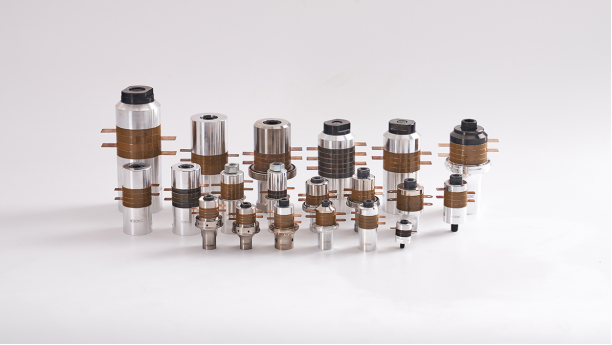
Robust Ultrasonic Transducer Design for Durability and Longevity
Role of Piezoelectric and Magnetostrictive Materials in Transducer Longevity
What goes into building ultrasonic transducers really affects how long they last and how dependable they are during operation. Take piezoelectric ceramics for instance. When these materials get proper pre-aging treatment and engineering attention, they can actually match the lifespan of older magnetostrictive versions but work at much higher frequencies without creating so much annoying background noise. Recent improvements in semiconductor ceramic blends have made things even better. Some top quality transducers now sit around for over 100 thousand hours before needing replacement, even when running non-stop. These modern materials handle temperature extremes pretty well too, staying consistent whether it's freezing cold at minus 40 degrees Celsius or sweltering hot at 85 degrees. They also stand up against water damage and chemicals, which is why many manufacturers prefer them for tough industrial settings where reliability matters most.
Vibration Mode Stability: Longitudinal, Bending, and Torsional Impacts
The stability of vibration modes plays a major role in how long transducers last. Longitudinal vibrations work best for transferring energy efficiently, but they put a lot of stress on specific spots called nodal points. When we look at bending and torsional vibrations instead, these create different kinds of stress across the device that can weaken certain areas over time and shorten lifespan. If multiple vibration patterns mix together or become unstable, this just makes things worse by accelerating wear and causing failures before their time. Devices built to maintain clean longitudinal resonance tend to last around three times longer between maintenance compared to ones where various vibration modes run wild without control. Getting good results really depends on careful attention to dimensions during manufacturing and making sure everything is symmetrical, which helps keep structures intact for much longer periods.
Finite Element Analysis for Predicting Stress and Enhancing Structural Integrity
FEA analysis plays a critical role in making ultrasonic transducers better by showing where stresses build up when they're actually used. When engineers run these simulations, they spot trouble spots like where parts connect to each other, at support points, and between different materials. Then they can tweak the shapes and sizes before building physical prototypes. This means reinforcing weak areas specifically where needed and spreading out forces more evenly throughout the device. Getting rid of stress hotspots early on leads to stronger overall structures. Field problems drop around 40% according to industry data, plus manufacturers can shrink their designs while still keeping them tough enough for real world applications. The technology definitely helps push boundaries in both performance and size reduction.
Balancing High-Power Output with Structural Durability in Ultrasonic Systems
Getting ultrasonic systems to work at their best means finding the right mix between powerful output and lasting structural strength. Boosting power density definitely makes things process faster, but comes at a cost. The system runs hotter, puts more strain on components, and materials start to wear out quicker over time. Smart companies tackle this problem using several approaches together. They pick stronger materials for key parts, build better cooling systems into the design, and reinforce areas where stress tends to concentrate. Real world results show these methods pay off. Equipment built with these ideas lasts significantly longer between needed maintenance checks, sometimes tripling the time before service is required. So even though there's always some compromise between power and longevity, careful engineering lets both goals actually happen without one completely sacrificing the other.
Precision Control of Frequency, Amplitude, and Power in Ultrasonic Transducer Systems for Consistent Industrial Performance
Maintaining Output Accuracy Under Continuous Operational Load
Getting good control over frequency, amplitude, and power levels makes all the difference when it comes to keeping ultrasonic oscillators running consistently over long periods. When these settings drift even a little bit, problems start showing up pretty quickly. Energy gets delivered unevenly across the system, processes become harder to repeat accurately, and parts tend to wear out faster than they should. The better systems on the market today actually use something called closed loop feedback along with sensors that check things constantly while operating. These features let them tweak their output automatically so the amplitude stays steady and the resonant frequency doesn't waver much even if the workload changes. What this means practically speaking is that bubbles form uniformly throughout the liquid being treated, and there's no risk of damaging components by pushing them too hard. For manufacturers looking at long term costs and product quality, maintaining proper control really pays off in multiple ways.
How Physical Parameters Influence Long-Term System Reliability
The reliability of any system really depends on keeping those key physical parameters stable over time. When there's frequency drift or when amplitudes start fluctuating, this creates cyclic stress within the transducers and other tools involved. The materials begin to fatigue faster under these conditions, which means parts are more likely to fail prematurely. On the flip side, when we maintain tight control over these parameters, the mechanical strain decreases significantly. Components experience less wear and tear, so they last much longer before needing replacement. Looking at how control precision affects component lifespan makes it clear why proper parameter management matters so much. For anyone working with high power ultrasonic equipment, getting this right isn't merely about improving performance metrics. It's absolutely essential if operators want their systems to run reliably day after day without constant breakdowns and repairs.
Ultrasonic Multiresonant Tools Powered by Ultrasonic Transducers with Engineered Radiation Surfaces for Uniform Energy Delivery
Designing Radiation Surfaces to Maximize Cavitation Uniformity
How radiation surfaces are designed makes all the difference when it comes to getting uniform cavitation effects, particularly important for things like industrial cleaning and chemical reactions using sound waves. When surfaces are properly engineered, they spread out the acoustic energy so there aren't these annoying hot spots where too much energy concentrates. This leads to much more consistent outcomes across whatever needs treating. Manufacturers have been working on improving this through various surface patterns and adjusting how well the surface matches the surrounding medium's resistance properties. Basically, they're trying to get as much energy as possible transferred into the liquid without losing too much along the way. What we end up with is not just faster processing times but also results that can be reliably reproduced batch after batch. Plus, the tools themselves last longer since there's less wear happening in specific areas where cavitation would otherwise cause damage over time.
Extending Service Life Through Multiresonant Working Tool Technology
The development of multiresonant working tools marks a real breakthrough for ultrasonic systems when it comes to lasting power. These tools work better because they can handle several different resonant frequencies at once, which means they don't suffer from those hotspots of stress that plague traditional single-frequency resonance setups. What happens instead is that the mechanical forces get spread out more evenly across the tool surface. This even distribution helps prevent metal fatigue and slows down the formation of cracks that typically lead to failure. The result? Longer lasting tools that keep performing well day after day without unexpected breakdowns. For factories running around the clock where every minute counts, this kind of reliability makes all the difference. Multiresonant tech ensures machines continue producing quality parts even when faced with changing temperatures, varying material thicknesses, or other common production challenges.
Thermal Management, Fatigue Resistance, and Predictive Maintenance Strategies for High-Power Ultrasonic Transducer Applications
Mitigating Heat Build-Up and Material Fatigue in Long-Running Oscillators
Keeping things cool matters a lot for how long transducers last when running nonstop. When there's too much heat around, those piezoelectric parts start to wear out faster. The materials expand differently under heat, which can cause layers to separate or even crack. Cooling systems that actively work harder than just letting air circulate naturally help keep temps under control, typically staying below 85 degrees Celsius. These active systems tend to extend component lifespan by roughly 40 percent compared to basic passive cooling approaches. What materials we pick also makes a difference. Take titanium horns for instance they really stand up to repeated stress tests, lasting through well over a hundred million cycles at maximum power without breaking down. And infrared sensors are pretty handy too since they spot potential trouble spots while there's still time to fix them before something breaks completely.
Predictive Maintenance Enabled by Smart Ultrasonic Monitoring Tools
Predictive maintenance made possible through smart monitoring tech has transformed how reliable systems can be maintained over time. Today's ultrasonic monitoring setups keep tabs on things like changes in frequency, how consistent the amplitude stays, temperature fluctuations, and overall power draw to figure out when maintenance might be needed before problems occur. Plants that have adopted this proactive approach typically see around 25 to 30 percent savings in maintenance expenses compared to traditional methods, plus they experience roughly 70 to 75 percent fewer breakdowns. When it comes to vibration analysis, even tiny changes in how equipment resonates can signal parts starting to wear down. Abnormal power consumption patterns often point to components losing their efficiency long before visible signs appear. Moving away from rigid maintenance calendars toward fixing issues based on actual conditions means facilities stay running longer between shutdowns and get more years out of their expensive ultrasonic equipment.
FAQ
What are piezoelectric materials, and why are they used in ultrasonic transducers?
Piezoelectric materials are those that generate an electrical charge in response to applied mechanical stress. They are used in ultrasonic transducers for their ability to efficiently convert electrical energy into mechanical vibrations, which is essential for ultrasonic applications.
How does FEA analysis help in designing ultrasonic transducers?
Finite Element Analysis (FEA) helps engineers simulate and analyze how an ultrasonic transducer will respond to real-world stress and vibrations. By identifying weak points in the design phase, engineers can optimize the transducer's durability and performance before making physical prototypes.
What advantages do multiresonant working tools offer in ultrasonic systems?
Multiresonant working tools can operate at multiple resonant frequencies simultaneously, reducing stress concentration and evenly distributing mechanical forces across the tool. This results in longer-lasting tools high resistance to metal fatigue and more reliable performance.
Table of Contents
-
Robust Ultrasonic Transducer Design for Durability and Longevity
- Role of Piezoelectric and Magnetostrictive Materials in Transducer Longevity
- Vibration Mode Stability: Longitudinal, Bending, and Torsional Impacts
- Finite Element Analysis for Predicting Stress and Enhancing Structural Integrity
- Balancing High-Power Output with Structural Durability in Ultrasonic Systems
- Precision Control of Frequency, Amplitude, and Power in Ultrasonic Transducer Systems for Consistent Industrial Performance
- Ultrasonic Multiresonant Tools Powered by Ultrasonic Transducers with Engineered Radiation Surfaces for Uniform Energy Delivery
- Thermal Management, Fatigue Resistance, and Predictive Maintenance Strategies for High-Power Ultrasonic Transducer Applications
- FAQ