
 EN
EN
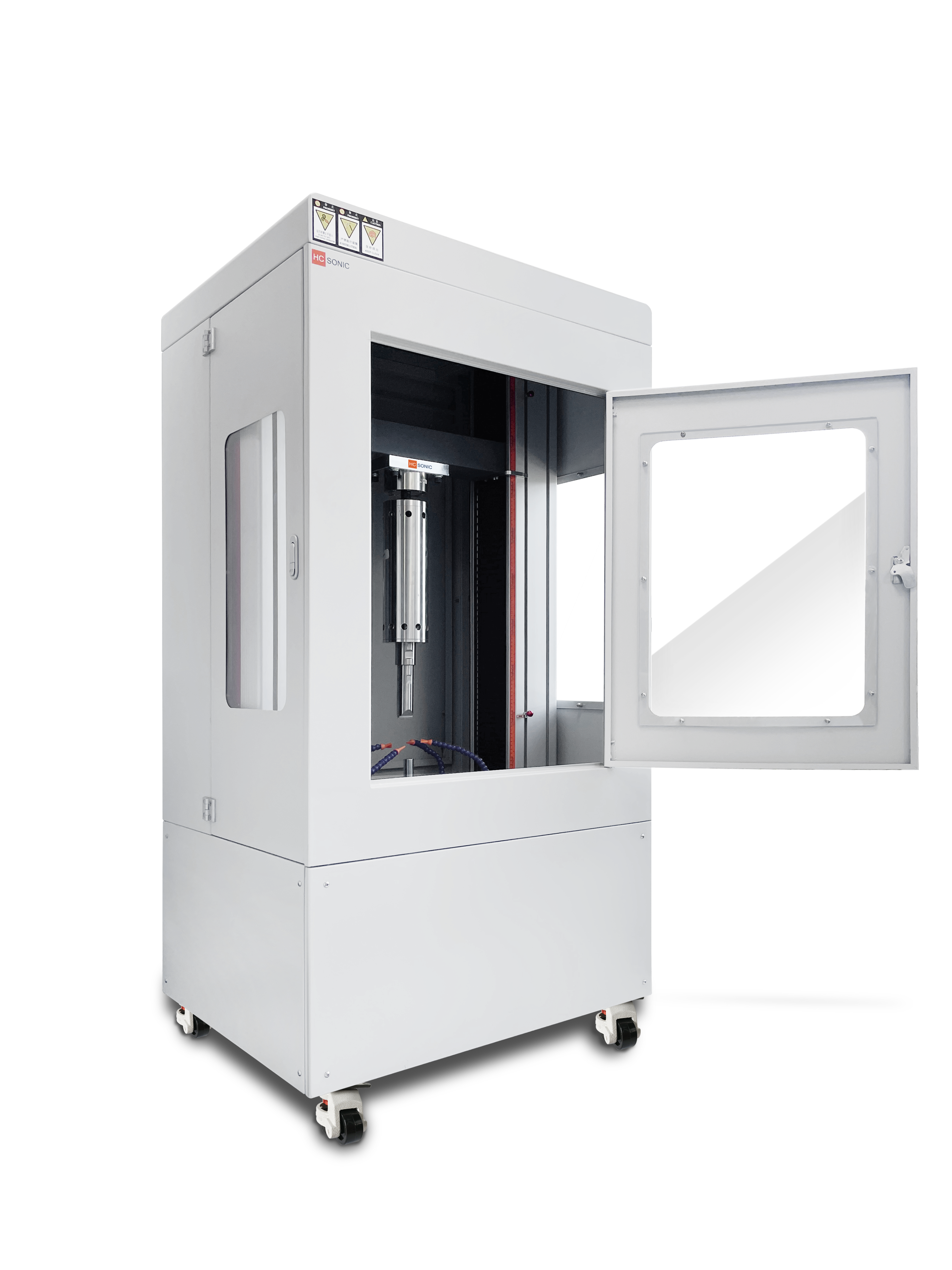
Understanding Ultrasonic Fatigue Testing and Its Role in High-Cycle Research
What Is a Multifunctional Ultrasonic Fatigue Test System?
The multifunctional ultrasonic fatigue test system marks a major step forward for materials testing tech. These systems operate around 20 kHz resonance frequency to assess how materials respond to repeated stress cycles. Traditional servo-hydraulic setups typically max out between 20 and 60 Hz, but the new approach relies on piezoelectric transducers that create those high frequency vibrations needed for proper testing. What makes this particularly valuable is the ability to conduct fatigue tests quickly even in harsh conditions like high heat or corrosive environments. Researchers can still keep tight control over stress levels and sample parameters throughout the process, which was previously difficult to achieve with older methods.
How Resonance-Based Testing at 20 kHz Accelerates Fatigue Data Acquisition
Testing materials using resonance at around 20 kHz can cut down on fatigue testing time dramatically, going from what used to take months down to just hours or maybe even a day or two. The old school approach takes weeks just to get through 10 million cycles, while modern ultrasonic systems blast through 1 billion cycles in roughly 14 hours flat. This massive boost in speed means scientists gather much better data sets in no time at all, which makes their predictions about how long materials will last under stress way more accurate. Industries like aerospace engineering and power generation really benefit from this because they need reliable information when designing components that must withstand extreme conditions over many years of operation.
Meeting the Demand for Ultra-High-Cycle Fatigue Evaluation Beyond 10^9 Cycles
Engineers these days are asking for fatigue data way beyond the standard 10^9 cycle mark, especially when it comes to parts used in planes, military equipment, and power plants. These components face some serious wear and tear during operation. That's where ultrasonic fatigue testing steps in. It allows researchers to look at what happens during those super high cycle fatigue situations we call VHCF. Some top notch systems can actually run tests for as many as 10 billion cycles while hitting temps around 1,200 degrees Celsius. This kind of testing makes all the difference when certifying things like turbine blades or special structural materials. Traditional methods just don't cut it anymore because they take forever and cost a fortune. The industry has basically had no choice but to adopt these new techniques if they want reliable results without breaking the bank on lengthy testing periods.
Advantages Over Conventional Fatigue Testing Methods
Speed, Precision, and Efficiency: Why Ultrasonic Outperforms Traditional Load Frames
Ultrasonic fatigue testing works around the 20 kHz frequency range, which makes it possible to run ultra-high-cycle fatigue tests well past 1 billion cycles in just days rather than waiting months for results. What sets this method apart is its use of piezoelectric actuators that create those controlled vibrations needed for the testing process. These vibrations generate stress cycles at speeds that dwarf what traditional electromagnetic or servo-hydraulic equipment can manage. Some studies from the International Journal of Fatigue indicate these ultrasonic systems cut down on testing time by nearly 95%. Even better, they keep the load accuracy pretty tight too, staying within about 1% of the desired amplitude level. Temperature remains stable throughout testing as well, something critical when trying to get trustworthy data from all those repeated stress cycles.
Reducing Test Duration from Months to Days Without Sacrificing Accuracy
Cutting down test time means big money saved and quicker product development while still keeping results accurate. Traditional testing methods often need anywhere from three to six months just to run those 10 to the power of nine cycles, but ultrasonic testing gets the job done in less than seven days flat. The real value comes from continuous monitoring during tests which keeps stress levels steady and maintains proper environmental conditions throughout. Take it from actual lab work: when researchers tested standard samples repeatedly, they found variations in fatigue limits stayed below 2% between different test runs. That kind of consistency speaks volumes about how reliable this approach really is according to findings published last year in Materials Science & Engineering A.
Addressing the Validity Debate: Are Ultrasonic Results Representative of Real-World Conditions?
People worry if high frequency ultrasonic testing actually shows what happens with materials under real world fatigue conditions. The answer lies in proper setup and managing heat buildup during tests. By reducing unwanted heating through methods like forced air or liquid cooling systems, we keep specimen temperatures consistent which helps maintain accurate readings from the material being tested. Research looking at both titanium alloys and strong steel types found that ultrasonic tests match traditional testing methods quite well. Studies published last year showed these tests had correlation numbers above 0.98 for most cases in both high cycle and very high cycle ranges. This means ultrasonic data can be trusted as representative of actual performance as long as everything is set up correctly.
High-Cycle Fatigue Behavior of Metals Under Extreme Environments
High-Temperature Fatigue Testing for Aerospace and Defense Applications
Ultrasonic testing systems now allow engineers to assess material properties accurately when exposed to actual operating temperatures, especially important for those tough nickel-based superalloys and titanium found in jet engines and military aircraft parts. The equipment keeps temperatures tightly controlled even during rapid cycles, making it possible to test how materials respond to stress at over 1000 degrees Celsius. Studies have found that when both heat and physical stress are applied together, materials fail differently than expected. For example, some aerospace metals show cracks spreading up to three times faster at high temps compared to regular lab tests done at room temperature according to a study published in International Journal of Fatigue back in 2016. Understanding these changes matters a lot for building engine parts that can survive thousands of takeoffs and landings without breaking down from constant heating and cooling cycles.
Evaluating Materials in Corrosive and Elevated Temperature Conditions
Today's testing setups often include environmental chambers that recreate harsh operating conditions like salt spray exposure, moist air environments, and corrosive gas mixtures combined with elevated temperatures. When these factors come together, they create situations where metal corrosion actually speeds up structural fatigue problems. Research shows that components exposed to these hot corrosion conditions tend to fail about 60 percent faster than those in normal temperature settings without corrosive elements, according to findings published in Corrosion Science back in 2016. Ultrasonic testing methods have proven particularly useful for quickly evaluating how all these different stressors interact. This helps engineers pick the right materials when designing equipment for industries ranging from chemical plants to offshore platforms and power generation facilities.
Capturing Accurate Fatigue-Limit and Near-Threshold Crack Growth Data
Ultrasonic testing systems produce reliable data in the very high cycle fatigue (VHCF) range. This data helps engineers figure out how long materials can last before failing and what happens when cracks start forming just below the surface under harsh operating conditions. The system also includes acoustic emission sensors that pick up on early signs of damage and micro cracks as they begin to form, giving researchers a better understanding of how failures actually develop over time. Temperature plays a big role too. Studies show that certain materials lose about 40% of their strength against fatigue when heated to around 800 degrees Celsius compared to normal room temperatures according to research published in Engineering Failure Analysis last year. These kinds of detailed measurements are crucial for creating realistic predictions about component lifespans and setting appropriate safety factors in engineering designs.
Versatile Applicability Across Engineering Materials: Metals, Composites, and Ceramics
Fatigue Characterization of Titanium Alloys and Ceramic Matrix Composites
Ultrasonic systems that do multiple functions work really well when looking at tough materials such as titanium alloys and those ceramic matrix composites we call CMCs. The way titanium reacts to fatigue depends a lot on its internal structure, whereas these CMC materials tend to break suddenly when subjected to repeated stress. When it comes to testing how these materials hold up over millions of cycles, ultrasonic methods can handle up to a billion cycles efficiently. They spot where cracks start forming and figure out the material's fatigue limit, which matters a ton in making aircraft parts and turbine blades. Studies done recently show something pretty impressive about ultrasonic techniques too. They reduce the time needed to characterize titanium alloys by around 95 percent compared with older hydraulic systems, all while keeping the same level of data accuracy. This makes a big difference in production timelines without compromising safety standards.
Customizing Test Setups for Diverse Material Responses and Geometries
What sets these systems apart is their ability to handle all sorts of materials and shapes without breaking a sweat. When it comes to testing, researchers can adjust pretty much everything they need. Temperatures can go from super cold at minus 160 degrees Celsius right up to scorching hot at around 1200 degrees. The environment inside the chamber can also switch between vacuum conditions and ones that mimic corrosive industrial settings. Plus there's control over how forces are applied during tests. Standard setups work great for small parts made through 3D printing techniques as well as bigger samples produced using traditional manufacturing methods. Because of this versatility, scientists can compare how different materials like steel alloys, ceramic components, and composite structures perform under stress all in one setup. That makes ultrasonic testing equipment absolutely essential for labs working on projects involving multiple types of materials simultaneously.
Real-Time Damage Monitoring and Future Research Potential
Acoustic Emission Monitoring for Early Detection of Fatigue Damage
Acoustic emission monitoring, often called AE, is basically a way to spot those tiny structural changes and cracks forming long before something actually breaks apart completely. The system works by picking up these high frequency stress waves that happen when materials start to deform. This gives ongoing surveillance in real time while ultrasonic tests are running. Traditional inspection methods need regular stops and starts, but AE lets engineers watch what's happening without interrupting the process. They can see those fleeting moments when damage first appears. Research indicates that when AE sensors are built into equipment, they can catch cracks starting at stress levels around 2 MPa square root m. That kind of early warning makes it possible to fix problems before they become serious issues according to findings published in the Materials Evaluation Journal last year.
Predicting Fatigue Life Using Acoustic Signal Patterns and Modeling
When it comes to predicting how long materials will last under stress, signal processing combined with machine learning has become pretty essential for turning acoustic emission data into actual predictions about fatigue life. The algorithms basically pick up on different sound patterns that correspond to various stages of material degradation starting from when atoms start moving around inside the metal all the way through to when tiny cracks begin forming. These patterns then get matched up against what's left before complete failure happens. Most of these models can predict remaining life with accuracy somewhere around 80-90% for parts that undergo lots of repeated stress cycles, which cuts down on guesswork regarding when something might actually break down. Putting together live monitoring systems with traditional simulation methods gives engineers something really valuable for spotting potential failures early on in components subjected to constant back-and-forth forces throughout their operational lifespan.
Enabling R&D Innovation: From Academic Research to Product Certification
When combined, ultrasonic fatigue testing along with advanced diagnostic tools really speeds up progress in both research and business settings. Academic institutions use these setups to study how materials break down over time, whereas companies apply them to test out new materials quickly. Getting reliable fatigue data within just a few days makes it possible to develop products faster and get them certified for industries like aviation, cars, and power generation. What this means is that discoveries made in labs can actually make their way into real world applications much sooner, which helps ensure that emerging tech passes all those tough safety checks and performance requirements that come with modern engineering standards.
FAQ Section
What is ultrasonic fatigue testing?
Ultrasonic fatigue testing uses high-frequency vibrations, typically around 20 kHz, to conduct fatigue tests on materials. This approach significantly reduces testing time while maintaining accuracy, making it suitable for evaluating how materials respond to repeated stress cycles under extreme conditions.
Why is ultrasonic testing preferred over traditional methods?
Ultrasonic testing accelerates the fatigue testing process, allowing for evaluations past 1 billion cycles in just days rather than months. It offers precision and efficiency by maintaining consistent stress levels and environmental conditions, reducing time while ensuring accuracy.
Can ultrasonic testing be representative of real-world conditions?
Yes, ultrasonic testing can provide reliable and representative results if proper setup and management of heat and environmental conditions are ensured. Studies indicate that ultrasonic results correlate well with traditional methods across both high and very high cycle ranges.
How does ultrasonic testing benefit industries like aerospace and power generation?
Ultrasonic testing allows for rapid evaluation of materials used in extreme conditions, such as jet engines and turbines. This speed and accuracy enable industries to design components that must withstand harsh environments over long operational periods.
Table of Contents
- Understanding Ultrasonic Fatigue Testing and Its Role in High-Cycle Research
- Advantages Over Conventional Fatigue Testing Methods
- High-Cycle Fatigue Behavior of Metals Under Extreme Environments
- Versatile Applicability Across Engineering Materials: Metals, Composites, and Ceramics
- Real-Time Damage Monitoring and Future Research Potential
- FAQ Section