
 EN
EN
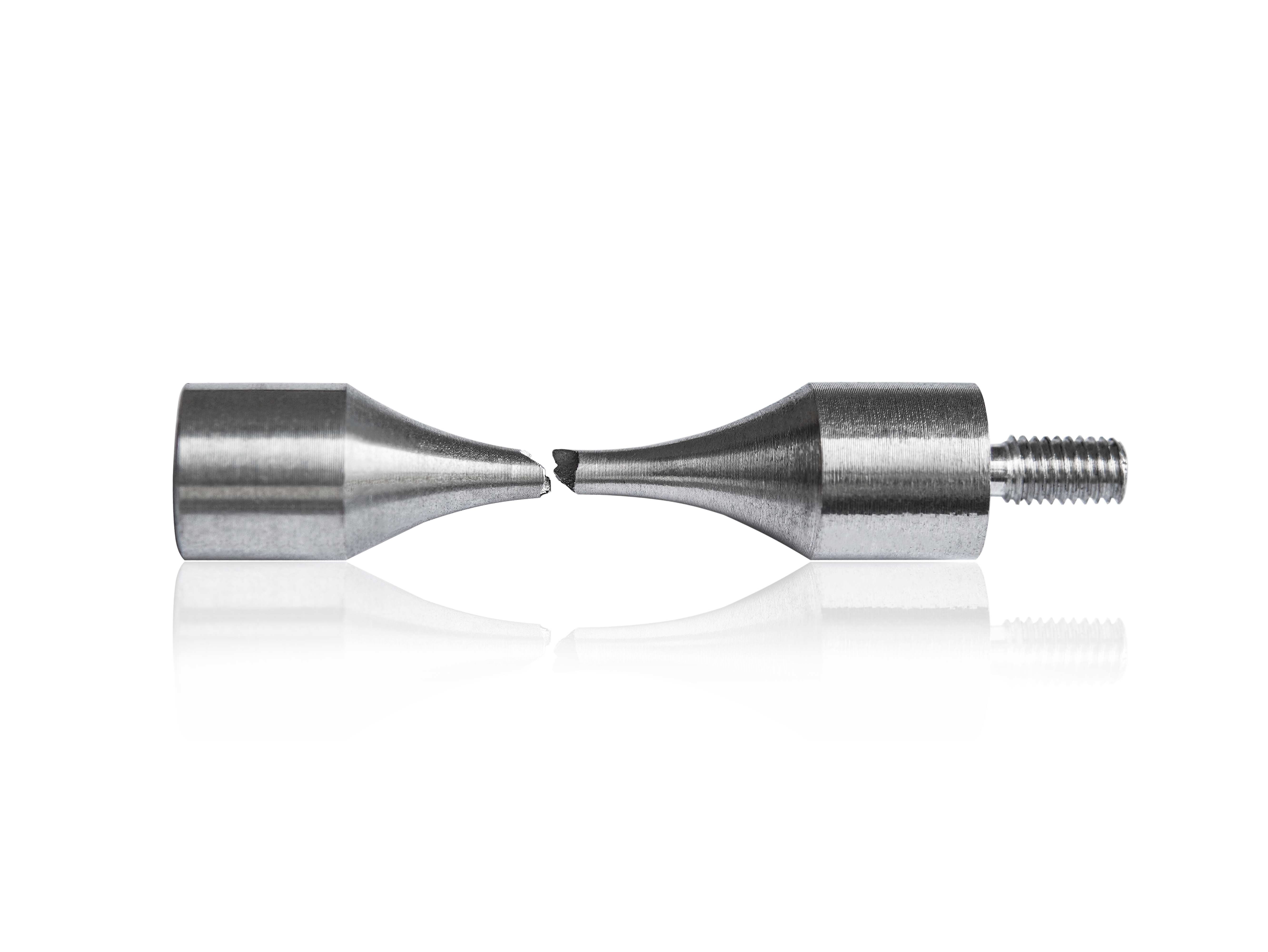
How Ultrasonic Resonance Enables High-Frequency Fatigue Testing at 20 kHz
The Science Behind Ultrasonic Fatigue: From Resonance Principle to 20 kHz Loading
Ultrasonic fatigue testing works by using mechanical resonance to apply those repeating loads right around 20 kHz, which lets researchers evaluate materials much faster in what's called the very high cycle fatigue (VHCF) range. When we get these test samples vibrating at their own natural frequency, the whole process goes way quicker than with old school servo-hydraulic systems that usually run between 20 and 60 Hz. The neat thing about resonance is it cuts down on how much power we need to put into the system while still keeping the stress levels pretty steady. What does this mean practically? Tests that might otherwise drag on for months or even years can now wrap up within just hours or days. Because of this speed boost, ultrasonic testing has become the go-to method when looking at how materials hold up past about ten million cycles something traditional approaches simply cant handle without massive time investments.
Core Components: Transducer, Horn, and Specimen Design for Stable Resonance
For ultrasonic fatigue testing to work reliably, there are basically three main parts that need to function together properly: the piezoelectric transducer, an acoustic horn, and a specimen that's been carefully engineered for precision. What happens is that the transducer takes those high frequency electrical signals and turns them into actual mechanical vibrations. These vibrations then get amplified by the horn before being passed along to the specimen itself. Getting things right at 20 kHz requires some serious attention to detail when designing the specimen geometry. After all, we want its natural frequency to match up nicely with what the whole system is trying to achieve operationally. Alignment matters a lot here too. Materials used throughout the setup have to play well together otherwise strange vibration patterns can develop. And let's not forget about maintaining even stress distribution across the gauge area during long term tests either.
Case Study: Implementation of Closed-Loop Ultrasonic Systems
One major company recently introduced closed loop ultrasonic systems designed specifically for maintaining tight control on resonant frequencies during those long lasting high cycle fatigue tests. What makes these systems stand out is their ability to constantly watch for any frequency changes that happen when material structures shift or temperatures go up and down. When this occurs, the system will adjust the timing between pulses and pauses automatically to keep things from getting too hot. Forced air cooling works alongside smart cycling features to maintain stable temperatures throughout testing. As a result, engineers can collect accurate very high cycle fatigue data not just from metals but also from composite materials which are becoming increasingly important in aerospace and automotive applications. Real world testing shows that having this kind of instant feedback makes all the difference when it comes to getting consistent results across multiple test runs.
Advancing Very High Cycle Fatigue (VHCF) Evaluation in Composite and Metallic Materials
Understanding VHCF: Failure Mechanisms Beyond 10^7 Cycles in Lightweight Composites
Understanding very high cycle fatigue (VHCF) matters a lot when evaluating materials for aerospace applications, cars, and other fields where components need to last way past 10 million cycles. While low cycle fatigue tends to fail because of surface issues, VHCF problems usually start inside the material itself from things like tiny impurities or irregular structures within the material. This is especially true for lightweight composites such as carbon fiber reinforced plastics (CFRPs). What makes these materials tricky is their tendency to show two different failure modes at once since stresses work differently between the fibers and surrounding material. Since there's hardly any visible deformation before cracks form, detecting early signs of damage gets really challenging. That's why running tests at high frequencies remains so important if we want accurate predictions about how these materials will hold up during extended periods of vibration and stress.
Precision Specimen Design and Standardization for Reliable Axial Fatigue Testing
Geometric Sensitivity and Resonant Stability: Key Challenges in Specimen Engineering
Getting reliable data from ultrasonic fatigue tests depends on creating specimens that maintain stable resonance at around 20 kHz. Even minor changes in shape can knock the resonant frequency off track by as much as 15%, which basically ruins the whole test according to Montalvão and colleagues back in 2017. For engineers working on these systems, getting the dimensions just right is crucial so they fit with how the equipment actually behaves dynamically. At the same time, they need to watch out for areas where stress might build up unexpectedly since those spots often lead to early failures nobody wants. The trick lies in finding the sweet spot between what materials can do and how precisely everything fits together. This balance helps keep the resonance steady and cuts down on those annoying extra vibrations that mess with the stress patterns we're trying to measure.
Achieving Stress Uniformity: Minimizing Vibration Nodes in the Gauge Section
Getting consistent stress distribution across the gauge section matters a lot when collecting reliable fatigue test results. The problem comes from vibration nodes these are spots where there's almost no movement at all creating areas of low stress that can stop cracks from forming where they should. Using finite element analysis helps engineers tweak specimen shapes so these problematic nodes form about 40 percent less often than with regular designs according to research by Costa and colleagues back in 2017. When done right, this adjustment makes sure cracks start developing exactly where we want them in the gauge area giving us better data on how materials hold up during those intense high frequency tests.
Strategy: CNC Micromachining and Surface Optimization per ASTM E2467 Standards
In modern manufacturing settings, CNC micromachining allows for achieving very tight dimensional tolerances around ±2 microns. This level of precision is really important when it comes to maintaining proper resonance characteristics without those annoying damping losses that can throw everything off. When it comes to surface finish, techniques like precision grinding and polishing keep the roughness under control, typically below Ra 0.2 microns. This helps eliminate those tiny micro-notches that might otherwise become starting points for cracks down the road, something the ASTM E2467 standards actually address. The benefits of this kind of precision work out pretty well too. Studies show that parts made this way have about 35% less variation in their fatigue life compared to what we see with conventional machining methods according to Vieira and colleagues back in 2016. What does this mean practically? Labs get more consistent test results, and manufacturers can compare materials against each other using standard benchmarks without so much guesswork involved.
Industrial Applications of Multifunctional Fatigue Testing in Automotive and Aerospace Sectors
Validating Turbine Blades and Powertrain Components Under Realistic Load Conditions
Ultrasonic fatigue systems that handle multiple functions are really important when it comes to checking how well parts hold up against constant vibrations over time. Take aerospace for instance where engineers put turbine blades and landing gear through their paces. These tests mimic what happens during millions of takeoffs and landings so we know if the materials will stay intact even when things get pretty intense at high altitudes. The auto industry does something similar too. Car manufacturers run these same kinds of tests on parts like transmissions and drivetrain components that face ongoing stress from day one. What makes this whole process valuable is called high cycle fatigue testing. It speeds things up so companies can see if a part will last decades instead of just weeks in lab conditions. This kind of testing isn't just about meeting regulations either. It literally saves lives by making sure nothing breaks down when people need it most.
Multi-Axial Simulation and Temperature-Controlled Environments for Enhanced Reliability
Modern testing systems combine multi-axis loading with accurate temperature regulation to create conditions similar to what components face in actual operation. The equipment can apply both mechanical stress and heat at the same time, something we see regularly in aircraft engines and performance car transmissions. When engineers run these thermal-mechanical fatigue tests using ultrasonic frequencies, they get better data on how materials break down over time. This leads to improved predictions about component lifespan and gives manufacturers greater assurance that parts will hold up when subjected to complicated operating conditions in the field.
Trend: Rising Demand for VHCF Data in Wind Energy and Aviation Safety Protocols
The growing demand for very high cycle fatigue (VHCF) data is now reaching new markets like wind energy and cutting edge aviation, mainly because these sectors require structures that last for decades without failure. Take wind turbine blades as an example they face constant stress from weather conditions over many years, which means engineers need detailed fatigue analysis well beyond the standard 10 million cycle mark. At the same time, the aviation industry is bouncing back after pandemic disruptions while developing next generation planes, making it even more critical to meet FAA regulations and global safety benchmarks. With regulators getting stricter every day, companies are turning increasingly to ultrasonic testing methods to get the kind of detailed information necessary for proving both how long components will last and whether they're safe enough for actual operation.
Future Trends: Smart Integration of AI, IoT, and Predictive Analytics in Fatigue Testing Systems
AI-Driven Crack Detection and Real-Time Health Monitoring in Testing Cycles
Fatigue testing is getting a major boost from artificial intelligence thanks to real time crack detection and ongoing health monitoring capabilities. The machine learning algorithms behind these systems look at things like strain levels, vibrations, and sounds coming from materials to spot those tiny cracks forming long before anyone can see them with the naked eye. What makes this so important? Well, it means tests become much more accurate, problems get fixed earlier rather than later, and we don't have to rely as much on people doing visual inspections all the time. Think about industries where missing something small could cause huge problems down the road. That's where these AI systems really shine. Plus, they help engineers better predict when parts might fail, which leads to more realistic lifespan estimates and designs that actually stay safe for longer periods.
IoT-Enabled Remote Operation and Predictive Maintenance Across Distributed Facilities
When integrating IoT into ultrasonic fatigue systems, labs located all over different regions can still operate and keep track of their equipment's status from afar. The sensors built right into these machines gather real time information about how well they're performing, what's going on with temperature and humidity around them, plus various diagnostic details. All this gets sent back to central monitoring systems where technicians can see everything happening at once. For researchers running tests in multiple locations, being able to watch progress and even adjust parameters without being physically present is a huge advantage. Plus, those same sensors pick up early warning signs when something goes wrong or needs fixing before it becomes a bigger problem. This kind of predictive maintenance saves money in the long run because it stops unexpected breakdowns, keeps expensive equipment running longer, and makes doing big scale collaborative research projects much more feasible without breaking the bank.
FAQ Section
What is ultrasonic fatigue testing?
Ultrasonic fatigue testing is a method used to evaluate materials quickly under high-frequency cyclic loads, reaching up to 20 kHz, to assess their durability and behavior in the very high cycle fatigue (VHCF) range.
Why is resonance important in ultrasonic fatigue testing?
Resonance is crucial because it decreases the energy input required for testing while maintaining consistent stress levels, allowing faster testing compared to traditional methods.
What are the main components of ultrasonic fatigue testing setup?
The main components include the piezoelectric transducer, acoustic horn, and a precisely engineered specimen for accurate resonance.
How does AI contribute to fatigue testing?
AI contributes through real-time crack detection and health monitoring, improving test accuracy and enabling early intervention.
How does IoT enhance ultrasonic fatigue testing?
IoT allows remote operation and predictive maintenance across distributed facilities, enabling better monitoring and equipment management.
Table of Contents
- How Ultrasonic Resonance Enables High-Frequency Fatigue Testing at 20 kHz
- Advancing Very High Cycle Fatigue (VHCF) Evaluation in Composite and Metallic Materials
- Precision Specimen Design and Standardization for Reliable Axial Fatigue Testing
- Industrial Applications of Multifunctional Fatigue Testing in Automotive and Aerospace Sectors
- Future Trends: Smart Integration of AI, IoT, and Predictive Analytics in Fatigue Testing Systems