
 EN
EN
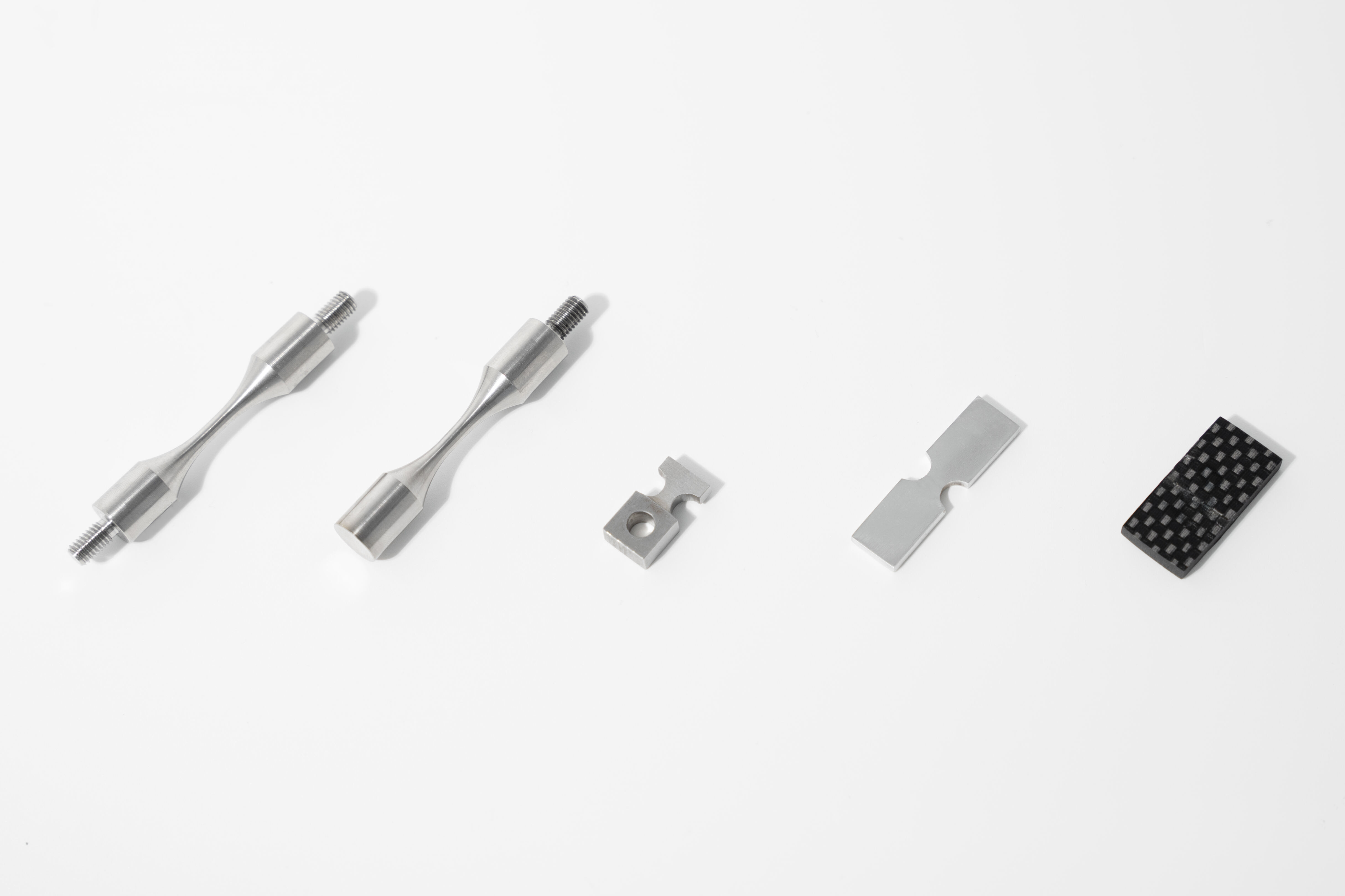
Understanding Ultrasonic Fatigue Testing and Its Role in Material Evaluation
The Shift Toward Very High Cycle Fatigue (VHCF) in Metallic Materials
Standard fatigue testing just doesn't cut it when looking at how materials hold up past around 10 million cycles. That's actually where most problems pop up in things like airplane parts and car components. Because of these shortcomings, engineers have started turning to what's called Very High Cycle Fatigue testing instead. These new systems use ultrasonic waves running between 15 and 25 kilohertz frequencies. What makes them special? They can run through a billion cycles in roughly one day flat, something that would take traditional hydraulic testers several months to accomplish. With this speed boost comes better understanding of how tiny cracks form inside strong materials such as titanium and various steel grades. These micro-cracks tend to be the main culprits behind failures in this high cycle range. Getting this kind of detailed information helps manufacturers build parts that need to last through intense repeated stress for many years without breaking down.
How Ultrasonic Fatigue Testing Accelerates Cyclic Loading Simulations
Ultrasonic fatigue testing works by using resonant frequencies to create fast repeating stress cycles, sometimes reaching around 20,000 cycles every single second. What does this mean practically? Instead of waiting years for results, engineers can now get gigacycle test data in just a few days. Even though the tests happen so quickly, researchers have developed sophisticated control mechanisms that keep everything running smoothly. These systems make sure the amplitude stays consistent and the frequency doesn't drift off track. With such tight control over these parameters, scientists can actually observe how materials react at the microscopic level when subjected to constant pressure over time. This makes ultrasonic testing particularly useful for collecting detailed information about material behavior during extended periods of stress, especially when looking at those tiny cracks that grow incredibly slowly. Such insights are absolutely critical for anyone trying to predict how reliable components will be after many years of service in aircraft engines or other safety related equipment.
Application of VHCF Data in Aerospace Component Lifespan Prediction
Aerospace components like turbine blades and landing gear need to withstand an incredible number of load cycles during their operational lifespan. For this reason, ultrasonic fatigue testing is essential for gathering high cycle data that helps create more accurate models of endurance limits. Studies on titanium alloys reveal something interesting about failure points: after around ten million cycles, internal defects tend to become the main problem rather than just surface issues. This finding has major implications for setting design safety factors and planning regular maintenance checks. When we combine very high cycle fatigue (VHCF) data with digital twin systems, engineers gain the ability to assess component fatigue in real time. Such capabilities lead to better predictive maintenance approaches and significantly reduce chances of sudden failures while equipment is actually being used.
Core Design Features Enabling Precision in Ultrasonic Fatigue Testing
Horn and Specimen Design for Resonance Optimization and Testing Accuracy
Getting accurate results from ultrasonic fatigue tests really comes down to how well the horns and test samples work together to hit those high frequency vibrations, usually somewhere near 20 kilohertz. When engineers build these samples, they need them to resonate exactly at what the system wants. Even small mismatches mean wasted energy and unreliable data. Some clever horn designs actually boost movement amplitude as much as tenfold, though this varies depending on material properties, while still keeping stress evenly spread through the measurement area. Researchers have started using special cross-shaped samples for more complicated load situations, which helps create more realistic stress patterns when multiple forces are involved according to Montalvão and colleagues back in 2017. Getting this mechanical balance right makes all the difference when collecting valid very high cycle fatigue information for industrial applications.
Multiaxial Loading Integration for Realistic Stress Simulation
The latest ultrasonic testing equipment can actually handle multiaxial loading, which helps mimic those complicated stress situations that real parts face every day. Think about it - studies show something like 60 percent plus of all mechanical problems in aircraft happen when there's a mix of tension and torsion or just plain old biaxial stress. So relying solely on simple uniaxial tests doesn't really tell us much about what will actually break down in service. What these advanced systems do is employ several piezoelectric actuators working together to create specific timing relationships across different load directions. With this setup, scientists get to study how cracks start forming and spread out when materials are subjected to either synchronized or asynchronous loading conditions. The end result? Much better data that actually reflects what happens to parts under those real world, constantly changing forces from multiple angles.
Frequency Stability and Amplitude Control in Long-Duration Fatigue Tests
Keeping things accurate during those long VHCF tests, which can go on for weeks sometimes, relies on these closed loop feedback systems. They watch over and tweak both frequency and amplitude with pretty impressive precision, better than 0.1%. When materials start changing at a microscopic level while being tested, their stiffness actually changes too, which might throw off the resonant frequency completely. That's where automatic tracking comes in handy to keep everything resonating properly. And let's not forget about controlling amplitude within plus or minus 1%. This helps maintain steady stress levels across the material, so we don't end up speeding up damage artificially. Without this kind of control, our readings about how long something will last under stress just wouldn't be reliable anymore.
Balancing Test Speed and Microstructural Accuracy in VHCF Analysis
Ultrasonic testing cuts down on cycle times quite a bit actually going from what used to take years down to just days. But there are some things researchers need to watch out for when using high frequency loads. Things like temperature increases and how fast the material is strained can create false readings. The good news though is research indicates that if we implement proper cooling methods and run tests intermittently rather than continuously, we can keep specimen temperatures pretty close to room temp, maybe only 2 degrees off at most. This helps reduce any unwanted thermal effects during testing. Taking these steps makes sure the failures we see in lab conditions match up with what happens in real world applications. So even though we're speeding up the process, we don't lose track of the microscopic details that matter so much for accurate results.
Advancements in Very High Cycle Fatigue Behavior of Metals and Alloys
Fatigue Failure Origins Beyond 10^7 Cycles in Steels and Titanium Alloys
Most standard fatigue tests stop around 10 million cycles, though many real world situations require knowing what happens way past that mark. When we get into very high cycle fatigue territory, things change quite a bit. The cracks don't start on the surface anymore but begin inside the material itself. For high strength steel materials, tiny impurities within the metal actually become starting points for these internal cracks. Titanium alloys behave differently where those cracks tend to form along specific grain boundaries called alpha grains. What makes this so important is that these kinds of failures happen when stresses are only about 20 to 30 percent lower than what traditional testing suggests (as noted by Heinz and Eifler back in 2016). This discovery really shakes up how engineers think about designing parts and means they need to adjust their safety margins for components that matter most.
Internal Crack Initiation Mechanisms in the VHCF Regime
The start of internal cracks in very high cycle fatigue happens when persistent slip bands form around microstructural discontinuities. This leads to areas where the material deforms plastically and small voids begin to appear. Surface cracks usually come about because of things like corrosion or rough spots on the material. But these internal ones grow without needing any special environmental conditions. They create those telltale fish-eye patterns we see in fractures, with fine granular areas right where they started. When looking at how cracks spread, there's actually a shift from going through grains (transgranular) in regular fatigue situations to moving between grains (intergranular), especially noticeable in nickel based superalloys when temps get high according to Li and colleagues back in 2021. This change helps explain why so many materials don't have that clear endurance limit point anymore. Instead their fatigue strength just keeps dropping off as the number of cycles passes into the tens of millions range.
Gigacycle Fatigue Behavior of Titanium Alloys Using Ultrasonic Methods
Ultrasonic testing allows engineers to check how titanium alloys hold up after as many as one billion cycles of stress. Take Ti-6Al-4V for instance this particular alloy is commonly found in aircraft parts and maintains about 500 MPa fatigue strength when tested at those extreme cycle counts. What happens inside these materials? Well, cracks tend to start forming along what's called primary alpha grain boundaries. Now here's something interesting about stress ratios they really matter a lot. When the ratio goes up, it means longer periods under tension which actually makes surfaces more prone to cracking even within very high cycle fatigue ranges as Liu and colleagues demonstrated back in 2015. Understanding all this isn't just academic knowledge for material scientists but practically essential when creating parts that need to last through millions upon millions of load applications across their entire lifespan in real world conditions.
Industrial Applications and Future Trends in Ultrasonic Fatigue Testing
Implementing Ultrasonic Fatigue Testing in R&D Labs for Material Development
More research labs are turning to ultrasonic fatigue systems these days because they speed up material development processes significantly. These testing setups let engineers look at how advanced alloys behave when subjected to billions of cycles much faster than traditional methods allow. Faster test results mean researchers can tweak microstructures and adjust processing settings multiple times without wasting resources. Finding flaws early saves money and prevents failures later on during production scaling. What makes these systems so valuable is their capacity to mimic actual stress scenarios materials face in the field, giving manufacturers greater assurance when launching new products for tough environments like aerospace components or automotive parts that need to last thousands of hours under pressure.
Fatigue Life Assessment of Turbine Blades Under Thermal-Mechanical Loads
For industries like aerospace and power generation, ultrasonic fatigue testing plays a critical role when evaluating how long turbine blades can last while dealing with both heat and physical stress. Testing systems that work at high temps actually mimic what happens in real service situations, showing engineers exactly where cracks start forming and how they spread through materials. The information gathered from these tests leads to better designs and smarter maintenance schedules, which means equipment stays reliable even after running for billions of cycles. Most major manufacturers now consider this method essential when checking parts that face harsh operating conditions day in and day out.
Integration with Digital Twins for Real-Time Fatigue Monitoring
Looking ahead, ultrasonic fatigue testing seems set to merge closely with digital twin tech. These virtual copies of actual equipment can take in live data from ultrasonic tests and keep updating what we know about how long parts will last before they fail. When we combine what we see in real world tests with computer models, it gives engineers a heads up on potential problems in systems where safety matters most. With more companies adopting predictive maintenance approaches these days, the mix of hands-on testing methods and computer simulations is really changing the game for tracking component reliability throughout their entire lifespan.
Frequently Asked Questions
What is Ultrasonic Fatigue Testing?
Ultrasonic Fatigue Testing is a method that uses high-frequency sound waves to simulate the stress and strain that materials undergo over extended periods. This technique allows researchers to analyze material endurance and failure points in a much shorter timeframe than traditional methods.
Why is Very High Cycle Fatigue (VHCF) important?
VHCF helps in understanding material behavior beyond the typical limit of 10 million cycles. This is crucial for components exposed to extreme repetitive stresses like aerospace and automotive parts, ensuring they do not fail unexpectedly.
How does ultrasonic testing benefit aerospace applications?
Ultrasonic testing provides critical data on how aerospace components, like turbine blades, withstand extensive load cycles, aiding in the development of accurate endurance models and efficient maintenance schedules.
What are the advantages of digital twins in fatigue monitoring?
Digital twins enable real-time integration of ultrasonic test data into virtual models, enhancing predictive maintenance and early fault detection, thus improving the reliability and lifespan of components.
Table of Contents
- Understanding Ultrasonic Fatigue Testing and Its Role in Material Evaluation
- Core Design Features Enabling Precision in Ultrasonic Fatigue Testing
- Advancements in Very High Cycle Fatigue Behavior of Metals and Alloys
- Industrial Applications and Future Trends in Ultrasonic Fatigue Testing
- Frequently Asked Questions