
 EN
EN
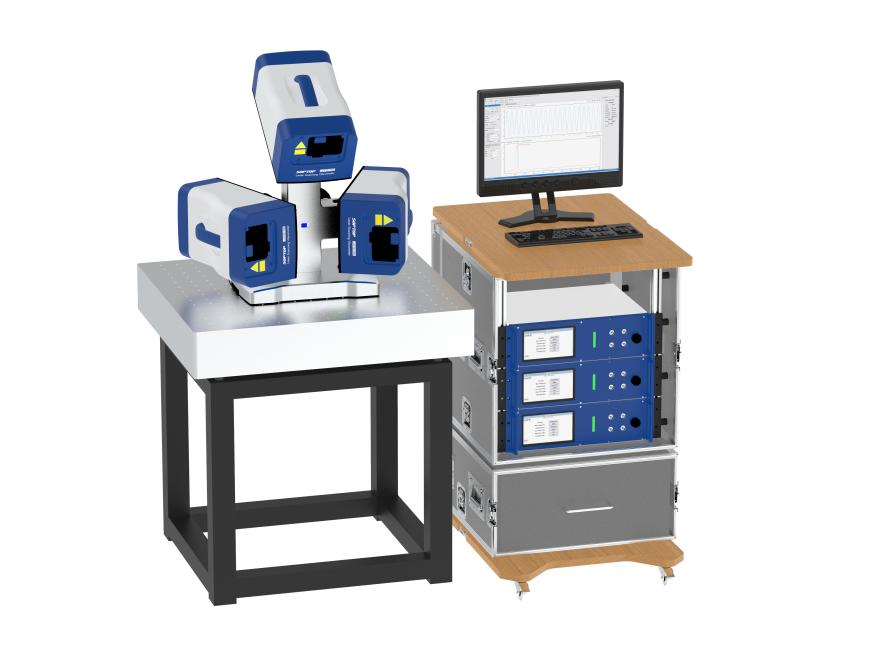
How Ultrasonic Atomization Enables High-Purity Metal Powder Production
Cavitation-Driven Droplet Formation in Molten Metal Streams
The process of ultrasonic atomization turns liquid metal into pure powder by using the physical phenomenon known as cavitation. High frequency vibrations between 20 and 100 kHz get transmitted through what's called a sonotrode submerged in the melt. These vibrations cause tiny vacuum bubbles to appear and then burst suddenly, releasing enough energy to break the metal's surface tension. This action shoots out droplets in an extremely fast rate, sometimes over ten thousand droplets every single second. Compared to traditional gas atomization methods where turbulence happens and there's risk of contamination from surrounding gases, ultrasonic atomization works mechanically without these issues, keeping the material properties intact. According to research published in Materials Processing Journal last year, around 80 percent of all produced particles end up measuring between 15 and 45 micrometers. This consistency reduces material waste significantly and creates nearly perfect spherical shapes that matter a lot for how well powders flow during additive manufacturing processes.
Acoustic Energy Transfer and Breakup Dynamics at Resonant Frequencies
The way particles break down into different sizes depends on how well the sound waves match up with the natural vibrations of the molten metal. When we hit just the right frequency, those sound waves pump maximum energy into the flowing metal stream, which creates what engineers call Rayleigh instability. Basically, this makes long streams of liquid snap into uniform droplets as they fall. The higher the frequency gets, say around 80 kilohertz, the smaller the resulting powder particles become, often below 20 microns in size. Mid range frequencies between 40 and 60 kHz offer a good compromise where manufacturers can get decent yields without sacrificing too much control over particle size. Another big advantage here is that since the energy doesn't touch anything physically, there's no wear on the nozzles at all. This means fewer metal particles getting mixed in during production, which matters a lot when working with sensitive materials like titanium that react badly with oxygen.
| Parameter | Ultrasonic Atomization | Gas Atomization |
|---|---|---|
| Purity Control | Contamination-free | Gas interaction risk |
| Particle Size Control | ±5% distribution via frequency | ±15% distribution typical |
| Sphericity Rate | >95% spherical particles | 80–90% spherical particles |
Key Equipment Components and Smart Process Control for Metal Powder
Modular Ultrasonic Generator, Transducer, and Atomization Head Integration
Producing high purity metal powders requires some pretty sophisticated equipment working together seamlessly. The system starts with ultrasonic generators that take electricity and turn it into steady resonance frequencies. These get boosted by piezoelectric transducers connected to specially designed horns. Then comes the atomization head itself, built with precise geometry and made from materials that won't stick to molten metals. This setup sends energy directly into the melt while preventing clumping and heat damage issues. What makes this whole arrangement so effective is how it consistently breaks down droplets even when dealing with tricky reactive metals like titanium and aluminum alloys. Manufacturers find this works great for everything from small lab experiments right up to full scale industrial production runs.
Real-Time Amplitude Modulation for Precise Particle Size Distribution Control
The closed loop amplitude modulation system allows for adjusting ultrasonic energy while the material is being atomized, reacting instantly when there are changes in how thick the melt gets or when temperatures vary across different areas. The optical monitoring setup gives continuous feedback so they can keep those particles sized just right, staying within about 5 percent of what's needed. With such tight control over particle sizes around plus or minus 10 micrometers, it makes a big difference in how evenly layers form and how densely packed they become during additive manufacturing processes. For parts meant for aircraft applications, this kind of precision matters a lot because these components need to flow properly through manufacturing steps and maintain consistent strength characteristics throughout.
Achieving Fine, Spherical Metal Powder with Narrow Size Distribution
Balancing Sphericity, Yield, and Scalability in Reactive Metal Atomization
Getting good quality metal powder requires getting three things right at once: how round the particles are, how much we can actually produce, and whether the process can scale up for real production runs. This is especially tricky when working with metals that react easily, such as titanium or magnesium. With ultrasonic atomization, what happens is that the equipment creates these pretty consistent droplets using something called resonant cavitation. As these droplets fall through an inert chamber while cooling down, their own surface tension basically pulls them into almost perfect spheres. What comes out of this process has flow properties that come close to what we see in those tiny ball bearings used in machinery. Manufacturers really appreciate this because it makes handling and processing so much easier compared to irregular shaped powders.
When we adjust acoustic energy at specific resonant frequencies, it helps keep the particle size distribution pretty consistent, usually within about plus or minus 10%. The resulting particles also maintain spherical shapes in over 90% of cases, which is really important since those tiny satellite particles can cause major problems with how materials flow. What makes this approach stand out is the modular system design that lets researchers scale up their work smoothly from small lab batches (just grams) all the way to production quantities measured in kilograms, without losing that same level of quality throughout. This scalability gives manufacturers something plasma and gas atomization methods just cant match when dealing with reactive metals, where oxidation becomes a real headache during processing.
| Optimization Factor | Ultrasonic Solution | Industry Impact |
|---|---|---|
| Sphericity | Surface-tension-driven droplet formation | Enables powder flowability for AM processes |
| Yield | Satellite particle suppression <5% | Reduces material waste by 30% (PowderTech, 2023) |
| Scalability | Modular amplitude control | Supports batch-to-continuous production transition |
This precision ensures contamination-free, mechanically robust powders tailored for aerospace and medical applications—where particle uniformity directly governs final component density, fatigue resistance, and long-term performance.
Contamination-Free Metal Powder Production for Reactive and Refractory Metals
Inert Chamber Design and Non-Wetting Nozzle Materials for Oxygen-Sensitive Alloys
Oxygen sensitive materials such as titanium and refractory metals including tantalum really suffer when there's even the smallest amount of contamination present, which can significantly reduce their mechanical strength. The solution comes from ultrasonic atomization technology that has two main protective measures built in. First, special chambers are sealed three times over and filled with argon gas to keep oxygen levels under 10 parts per million during all stages of processing. Second, the equipment uses ceramic nozzles made from materials like boron nitride or zirconia composites that don't stick to molten metal and won't react chemically even at extremely high temperatures above 1800 degrees Celsius. These combined approaches help maintain the correct chemical composition of the alloys and produce nearly perfect spherical powder particles containing less than 0.1 percent oxygen. This level of purity is absolutely necessary for applications in aerospace components and medical implants where both how long something lasts before failing and whether it will be accepted by the body depend heavily on having the right elemental makeup.
Frequently Asked Questions
What is ultrasonic atomization and how does it work?
Ultrasonic atomization is a process that converts liquid metal into fine powder using high-frequency sound waves. This method utilizes cavitation phenomena to form tiny droplets, achieving high purity and consistency compared to traditional methods.
Why is ultrasonic atomization preferred for high-purity metal powder production?
Ultrasonic atomization offers contamination-free powder production by avoiding interaction with gases, achieving tighter particle size distributions, and providing superior sphericity, which benefits additive manufacturing and other applications.
Can ultrasonic atomization handle reactive and refractory metals?
Yes, ultrasonic atomization is effective for reactive metals such as titanium and refractory metals like tantalum, as it employs inert chambers and non-wetting materials to prevent contamination and oxidation.
How does ultrasonic atomization improve scalability in metal powder production?
The modular design of ultrasonic atomization systems allows seamless scale-ups from small lab batches to industrial-scale production without compromising the quality of metal powders.
Table of Contents
- How Ultrasonic Atomization Enables High-Purity Metal Powder Production
- Key Equipment Components and Smart Process Control for Metal Powder
- Achieving Fine, Spherical Metal Powder with Narrow Size Distribution
- Contamination-Free Metal Powder Production for Reactive and Refractory Metals
- Frequently Asked Questions