
 EN
EN
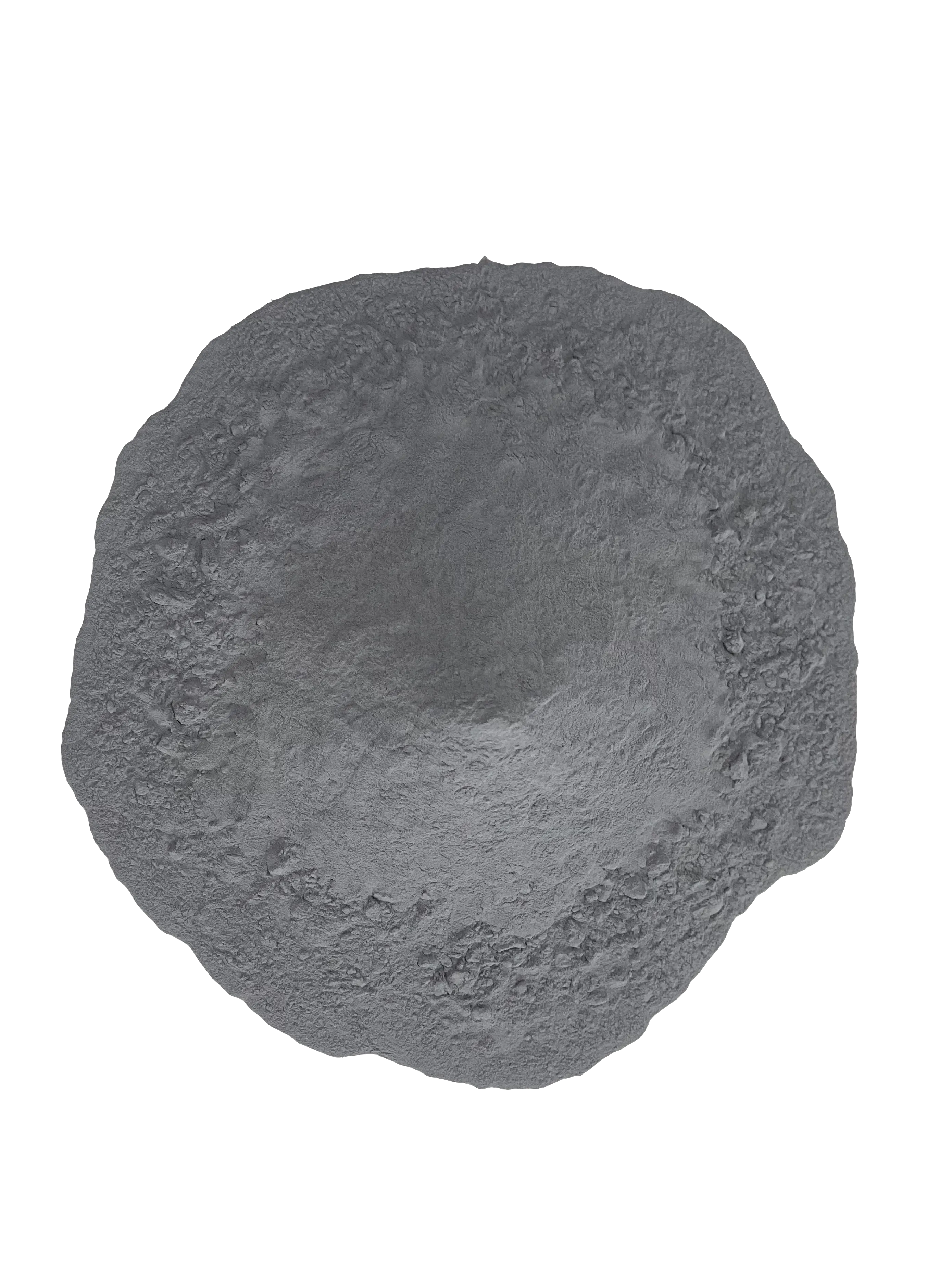
How Ultrasonic Atomization Revolutionizes Metal Powder Production
Cavitation-Driven Fragmentation: Turning Molten Metal into Uniform, Spherical Metal Powder
Ultrasonic atomization works by swapping out those fast moving gas streams for sound waves in the 20 to 60 kHz range, resulting in better quality metal powders. What happens here is called cavitation where bubbles form and burst inside the melted metal, breaking it down into droplets that are pretty much the same size. When these little droplets start to harden while they're still floating around, their own surface tension basically shapes them into almost perfect spheres. This method based on physical principles actually gets rid of the gas turbulence problems that mess up the shape of particles in older techniques. There's a clear connection between how fine the powder gets and the frequency used. Systems running at 60 kHz can get down to under 10 microns in particle size. Plus, since everything happens in an environment without oxygen, there's hardly any oxidation either. The powders come out with less than 0.1% oxygen content, which makes them ideal for things like aircraft components and medical implants where purity matters a lot.
Sub-Micron Precision Without Gas Shear: The Acoustic Advantage for High-Quality Metal Powder
Gas atomization typically depends on those powerful 50-bar pressure jets, but ultrasonic systems take a different approach altogether. These systems harness focused sound waves to create incredibly consistent results. When we remove those fast moving gas streams, something interesting happens satellite formation basically disappears. Those tiny particles that stick to bigger ones? They plague about 38% of powders made through traditional gas atomization according to recent research from the Journal of Materials Processing Technology. What makes this so important? Well, the absence of shearing forces keeps materials much purer, which is critical when working with sensitive metals like titanium and aluminum that react easily. Manufacturers love being able to control particle size distribution frequencies because it lets them fine tune exactly what they need for various AM applications such as Laser Powder Bed Fusion processes. And let's not forget about the bottom line operational expenses plunge dramatically since these ultrasonic setups only need around 5% of the inert gas compared to standard methods. This dual benefit of better accuracy combined with reduced environmental impact makes all the difference in producing premium quality metal powders at scale.
Metal Powder Quality: Why Sphericity, PSD, and Purity Matter in Additive Manufacturing
Linking Process Physics to Performance: How Ultrasonic Cavitation Reduces Satellites and Oxidation in Metal Powder
The shape of particles, how they're sized (known as PSD), and their overall purity play a major role in determining the success of additive manufacturing processes. When particles are very spherical, they create a more uniform powder bed which helps lasers work consistently during the fusion process. Most laser powder bed fusion systems need particles within a narrow size range, usually between 15 and 45 microns. This prevents issues with segregation when recoating occurs and makes sure everything melts evenly. If oxygen levels go above 0.1%, problems start showing up in finished parts such as porosity and those annoying brittle intermetallic phases nobody wants. Ultrasonic cavitation tackles all these factors by sending controlled pressure waves through molten metal streams. These waves create surface disturbances that break down materials gently without much turbulence, resulting in clean, spherical powder free from satellite particles. Working in an inert environment keeps oxide formation below 0.08% even with tricky metals like titanium. This not only maintains the chemical integrity of the alloy but also boosts powder recyclability rates by around 30% when compared to traditional gas atomization methods.
| Quality Metric | Traditional Atomization | Ultrasonic Cavitation | AM Impact |
|---|---|---|---|
| Satellites | High (gas shear forces) | Near-zero | Improved flowability |
| O₂ Content | 0.15–0.25% | ≤0.08% | Higher part density |
| PSD Span | Broad (D90/D10 > 2.0) | Narrow (D90/D10 ≤ 1.8) | Consistent layer thickness |
Head-to-Head Comparison: Ultrasonic vs. Gas, Water, Plasma, and Induction Atomization
Trade-off Matrix: Purity, Cost, Morphology Control, and Scalability Across Metal Powder Methods
Selecting optimal metal powder production requires evaluating critical trade-offs across four dimensions. The comparison matrix below contrasts ultrasonic atomization with conventional methods:
| Production Method | Purity Level | Relative Cost | Morphology Control | Scalability Potential |
|---|---|---|---|---|
| Ultrasonic Atomization | High | Medium | Excellent | Medium |
| Gas Atomization | High | High | Good | High |
| Water Atomization | Medium | Low | Fair | High |
| Plasma Atomization | Very High | Very High | Excellent | Low |
| Induction Atomization | Medium | Medium | Good | Medium |
Ultrasonic tech gives manufacturers much better control over particle shape, hitting around 99.5% spherical particles with very few satellite formations. This happens through cavitation fragmentation instead of relying on gas shear forces. Plasma techniques do produce extremely pure materials, but they come at a steep price tag. According to Additive Manufacturing Research from last year, these methods typically cost about $300 per kilogram, which makes them impractical for large scale production runs. Gas atomization can handle bigger volumes, but companies face monthly bills upwards of $15,000 just for the inert gases needed at industrial levels. Water atomization cuts costs when scaling up production, although it introduces problems with oxygen contamination that often goes above 1,000 ppm. When looking at niche applications such as additive manufacturing, ultrasonic systems stand out because they manage to maintain both precision and material quality while staying within budget constraints. However, manufacturers need to plan carefully since current throughput rates aren't high enough for massive production demands.
Operational Realities: Scalability, CapEx, and Lab-to-Production Transition for Metal Powder Systems
Moving ultrasonic metal powder production up from lab scale to full industrial volume is no easy task. The good news? These ultrasonic systems really shine when it comes to controlling particle shape at smaller quantities. But here's the catch: they cost more upfront compared to traditional methods like gas or water atomization when looking at mass production needs. However, this price difference gets smaller once we factor in savings from less post processing work and wasted materials. Getting everything right requires completely overhauling the production process to keep quality consistent across batches because those sound wave settings need adjusting when dealing with bigger amounts of molten metal. Some exciting developments are happening though. New multi laser setups and bigger manufacturing platforms show promise for speeding things up without breaking the bank on equipment costs. Companies making this switch also face real world challenges beyond just machines. They'll need to train workers differently and rethink their entire supply network, especially if they're moving away from experimental batches toward officially certified products needed by strict industries such as aerospace where tolerances are razor thin.
FAQ Section
What is ultrasonic atomization?
Ultrasonic atomization is a process that uses sound waves in the 20 to 60 kHz range to produce metal powders. It employs cavitation, where bubbles form and burst in molten metal, breaking it into uniformly sized droplets that solidify into spherical particles with minimal oxidation.
How does ultrasonic atomization compare with traditional methods like gas and water atomization?
Unlike traditional methods that use high-pressure gas or water, ultrasonic atomization results in fewer satellite particles and lower oxidation levels (below 0.1%). It is more precise in producing spherical particles and requires significantly less inert gas.
What are the benefits of ultrasonic atomization in additive manufacturing?
Ultrasonic atomization produces high-quality metal powders with optimal sphericity, particle size distribution, and low impurity levels, essential for consistent and successful additive manufacturing, improving flowability and density in laser powder bed fusion processes.
Table of Contents
- How Ultrasonic Atomization Revolutionizes Metal Powder Production
- Metal Powder Quality: Why Sphericity, PSD, and Purity Matter in Additive Manufacturing
- Head-to-Head Comparison: Ultrasonic vs. Gas, Water, Plasma, and Induction Atomization
- Operational Realities: Scalability, CapEx, and Lab-to-Production Transition for Metal Powder Systems
- FAQ Section