
 EN
EN
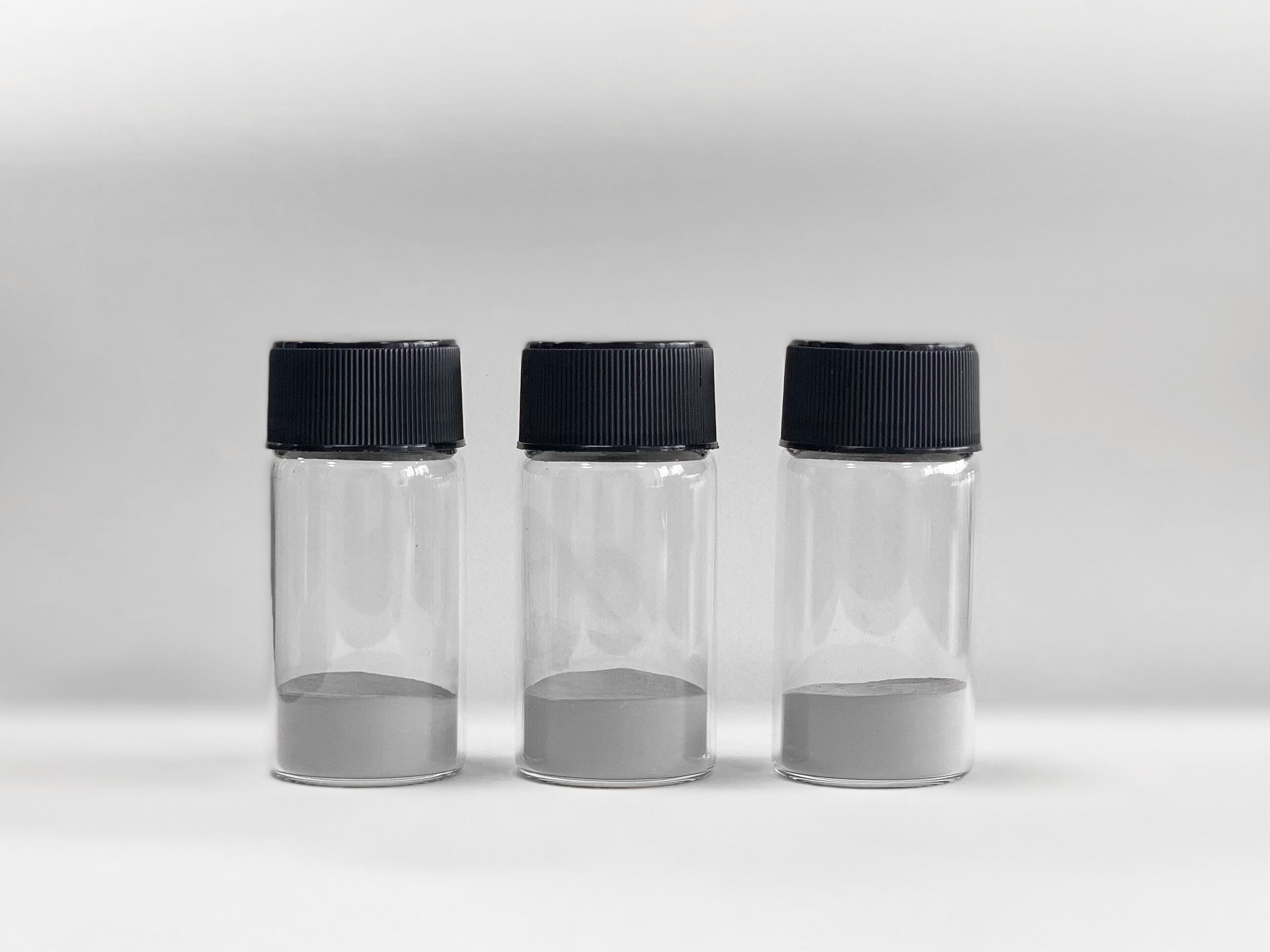
Ultrasonic Atomisation Delivers AM-Optimized Metal Powder Properties
The ultrasonic atomization tech creates metal powders that have really good qualities needed for industrial 3D printing applications. What makes this approach stand out is how it gets particles shaped almost perfectly spherical over 95% of the time, with sizes clustered closely together between D10 and D90 measuring under 25 microns. Plus, the powder flows much better than what we see from other methods. These features matter a lot when working with technologies like Laser Powder Bed Fusion or binder jetting systems where consistency is key. Traditional approaches require multiple steps and expensive additional treatments such as sieving or making particles rounder after production. With ultrasonic atomization, all those desired attributes come right out of the process itself, cutting down both time and money spent on finishing work.
Sphericity >95%, narrow particle size distribution (D10–D90 < 25 µm), and superior flowability—core metal powder traits enabling consistent LPBF and binder jetting
When powders have good sphericity, they pack more uniformly and create stable melt pools during the printing process. This leads to parts with around 99.8% density when working with Ti-6Al-4V materials through LPBF technology. Controlling how big the particles are helps cut down on those pesky voids and makes the powder bed denser overall. Plus, better flowability means the recoating process works reliably even at pretty fast speeds, sometimes over 200 mm per second. All these factors together make for fewer defects in the final product. Tests show about a 40% reduction in defects compared to what we see with gas atomized powders.
Eliminating post-processing: How ultrasonic technology achieves feedstock-ready metal powder in a single step
By leveraging high-frequency vibrations (20–60 kHz) to disintegrate molten alloys, ultrasonic atomization inherently produces satellite-free particles with near-zero internal porosity. This contrasts sharply with conventional methods requiring downstream conditioning:
| Property | Ultrasonic Atomization | Gas/Water Atomization |
|---|---|---|
| Satellite particles | Near-zero | 15–25% occurrence |
| Oxygen pickup | < 100 ppm | 200–500 ppm |
| Post-processing | None required | Sieving/spheroidization needed |
| Process steps | Single-stage | Multi-stage |
The absence of high-pressure gas or water systems not only simplifies operations but also reduces oxygen contamination critical for reactive alloys like titanium or aluminum. This streamlined approach cuts production time by 50% while ensuring immediate feedstock readiness for AM systems.
Superior Metal Powder Quality vs. Conventional Atomisation Methods
Zero internal porosity, near-zero satellite particles, and inherently low oxygen pickup—critical advantages over gas and water atomisation for reactive alloys
The ultrasonic method for producing metal powders gets rid of those pesky internal voids and cuts down on satellite formations which are common problems with traditional gas or water atomization techniques. These flaws can really mess up part quality in laser powder bed fusion processes. When working with materials sensitive to oxygen content such as titanium or aluminum alloys, ultrasonic processing keeps oxygen levels under 100 parts per million. That's way better than the 500 ppm limit mentioned in ASTM standard F3001 and far superior to what we usually see from water-atomized alternatives that often hit over 1000 ppm. The naturally inert environment created during this process stops issues like embrittlement and surface blemishes from appearing in finished additive manufacturing components. This matters a lot in aerospace manufacturing where even small variations in material properties can drastically affect how long aircraft parts last before needing replacement.
Operational and environmental benefits: 90% less inert gas use and no high-pressure water hazards
In addition to better quality results, ultrasonic atomization cuts down on resources needed quite dramatically. Compared to traditional methods, this process needs just about 10 percent of the argon or nitrogen typically consumed during gas atomization. Plus, there's no need for those high-pressure water systems that create safety issues and end up contaminating water supplies. The savings here are pretty substantial too. Operational expenses drop around 40% according to recent data from the additive manufacturing sector in 2023. What's more, these savings fit right into green manufacturing goals that many companies are now prioritizing. Plants don't have to deal with all the complicated filtration systems required when using water-based approaches. This makes scaling up production much easier for manufacturers who specialize in metal powders for additive manufacturing applications.
Enabling Agile Metal Powder Development for AM R&D and Custom Alloys
On-demand, small-batch (<100 g) metal powder production with full alloy flexibility—ideal for rapid prototyping and novel alloy qualification
For research groups working on new alloy generations, having flexible materials options that sidestep old manufacturing limitations is becoming essential. Ultrasonic atomization makes it possible to get test batches of less than 100 grams with really tight control over what goes into them. This matters a lot when testing those tough refractory high entropy alloys or creating gradient materials that just can't be made through regular casting techniques. Labs using this method typically see their research timelines cut down between 60 to 80 percent compared to standard approaches. They can experiment much faster with different titanium and nickel superalloys without waiting forever for results. The system handles melting temperatures above 3000 degrees Celsius and works well with various combinations of raw materials. What's great is that researchers can actually test how these materials perform in binder jetting or laser powder bed fusion processes in just a few days instead of waiting weeks or months. No need to worry about minimum quantity requirements either, since the powder maintains its round shape over 95% of the time and has particle sizes within acceptable ranges for proper sintering. Overall, this technology turns what used to be a major headache in metal powder development into something that actually speeds things up significantly for most lab environments.
Proven Performance and Strategic Fit in High-Value Additive Manufacturing Workflows
LPBF Validation: 99.8% Relative Density and Minimal Defect Rates Using Ultrasonically Produced Ti-6Al-4V Metal Powder
Tests on Laser Powder Bed Fusion (LPBF) applications show that titanium alloy Ti-6Al-4V made through ultrasonic atomization reaches an impressive 99.8% relative density, which actually exceeds the ASTM F3001 standards required for aerospace parts. The reason behind this remarkable density? Very low defect rates under 0.2% in areas where fatigue resistance matters most. This comes down to two key factors about the powder itself: it lacks those pesky satellite particles and maintains oxygen levels below 100 ppm. When we look at real-world performance, these improvements mean turbine blades last about 25% longer before failing, the same goes for orthopedic implants used in medical devices. Considering Ti-6Al-4V accounts for nearly half (around 47%) of all valuable additive manufacturing work according to recent industry reports, this advancement in ultrasonic atomization is helping bridge the quality difference between 3D printing techniques and conventional manufacturing methods.
Why Leading AM Labs Prioritize Reproducibility, Traceability, and Feedstock Control—How Ultrasonic Metal Powder Making Equipment Aligns With Industry Maturity
When additive manufacturing moves beyond just making prototypes into actual production runs, being able to reproduce results consistently and track batches becomes absolutely essential. Ultrasonic gear helps achieve this by digitally recording processes, capturing over 20 different parameters including how stable the frequency stays within plus or minus 0.5 percent and tracking cooling speeds during atomization. These records basically create unchangeable histories for materials used. The system meets FDA standards and Nadcap guidelines required for medical implants, where even tiny differences in metal composition matter a lot - typically needing less than 0.03 weight percentage variation. Making our own powders in-house cuts down on problems caused by inconsistent suppliers, which has cut waste by about 40% in binder jetting operations according to research published last year in the Journal of Binder Jetting and Metal Additive Manufacturing. Putting feedstock management right into the digital workflow gives laboratories full visibility starting from when they make the powder all the way through to final part testing.
FAQ
1. What is ultrasonic atomization?
Ultrasonic atomization is a process that uses high-frequency vibrations to disintegrate molten alloys, producing metal powders with near-perfect sphericity, satellite-free particles, and low oxygen contamination, ideal for additive manufacturing.
2. How does ultrasonic atomization improve the quality of metal powders?
This method reduces internal porosity and satellite formations, leading to powders with excellent flowability, consistent particle sizes, and reduced oxygen levels, which are crucial for high-quality additive manufacturing parts.
3. Why is flowability important in metal powders for 3D printing?
Flowability ensures reliable recoating speeds and uniform packing of powders, decreasing defects and enhancing the final product quality.
4. What advantages does ultrasonic atomization have over traditional methods?
Ultrasonic atomization offers a streamlined single-step process, eliminating the need for post-processing and greatly reducing resource consumption and operational expenses.