 EN
EN
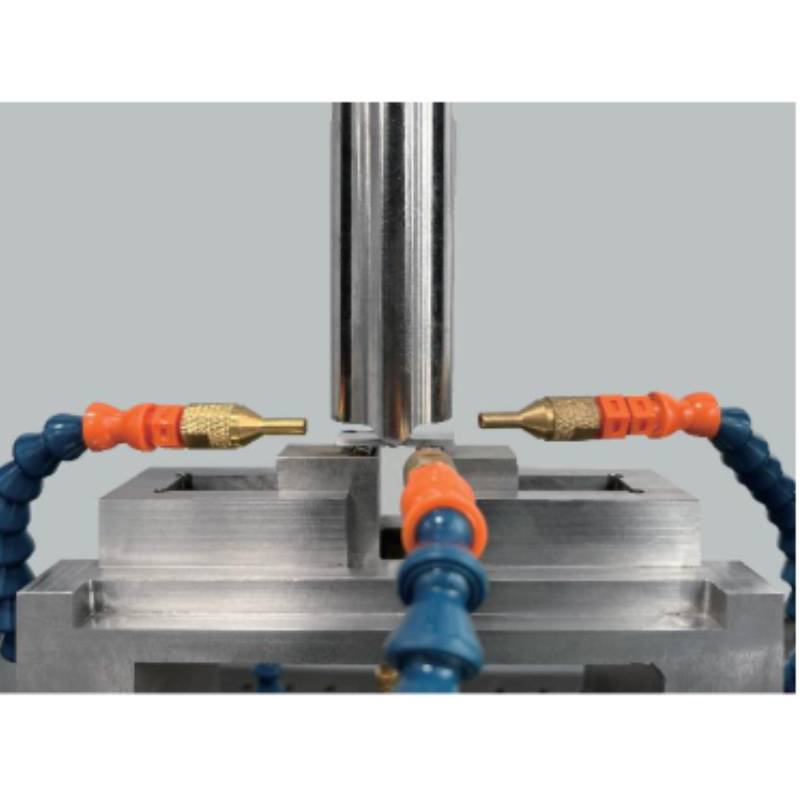
- Overview
- Recommended Products
Device Overview
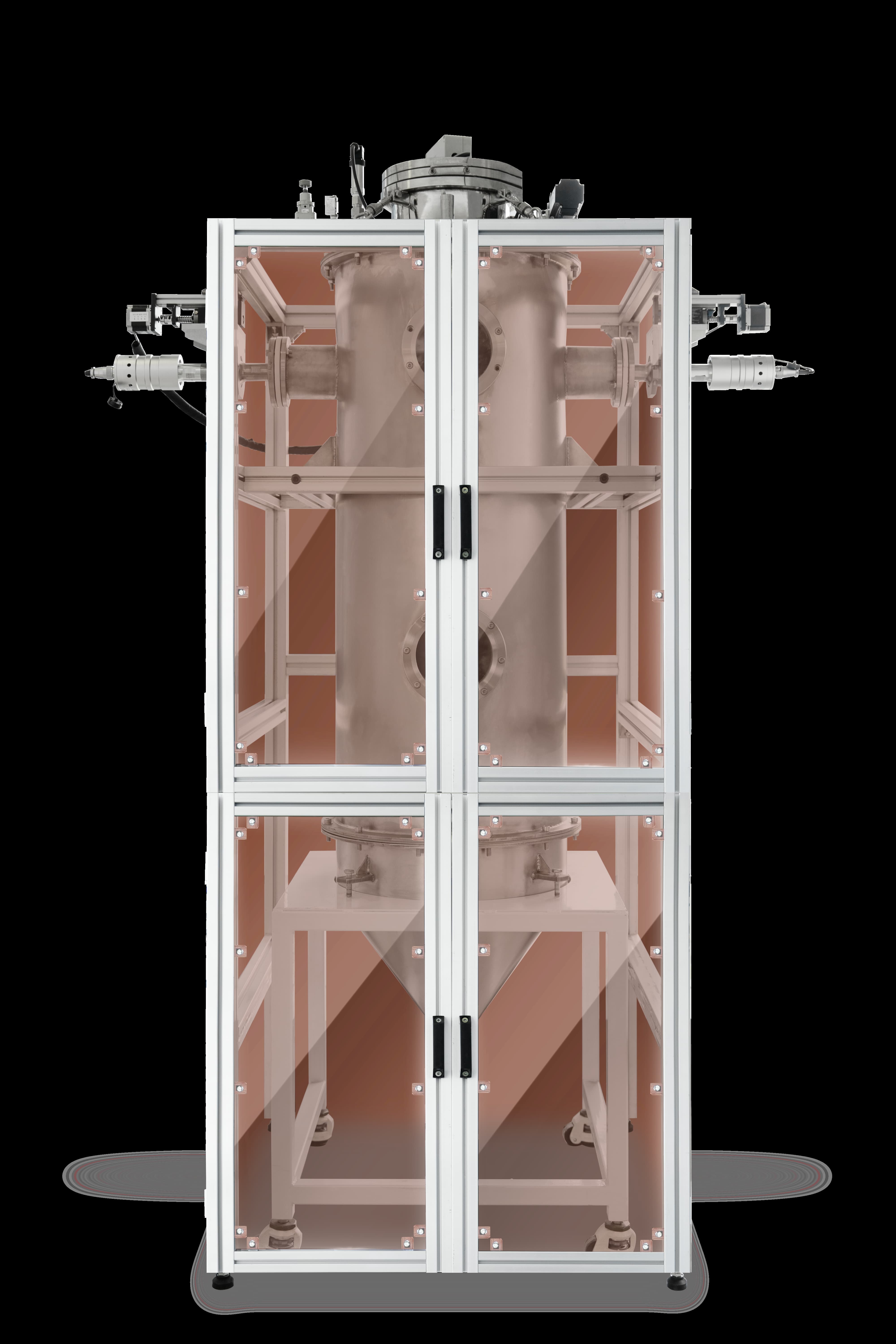
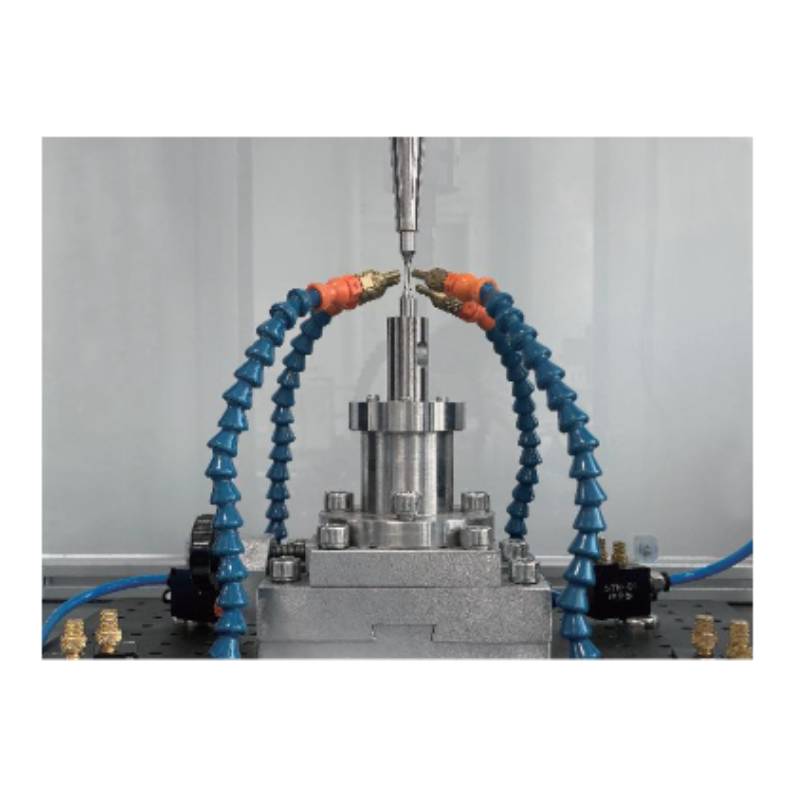
The dual-column multifunctional ultrasonic fatigue testing machine is an advanced fatigue testing device that integrates high-frequency ultrasonic loading technology with a dual-column mechanical frame, offering high frequency, high precision, and multi-environment simulation capabilities. It is ideal for complex fatigue performance studies in materials science, aerospace, biomedical engineering, and related fields.
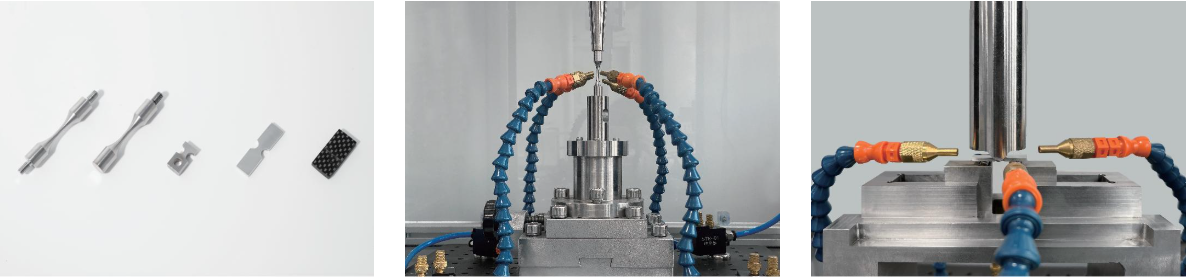
Key Design Features
1. Double-column structure with high-rigidity frame: The double-column design provides excellent mechanical stability, capable of withstanding greater static preloads (e.g., axial tension/compression), while ensuring precise transmission of ultrasonic vibrations.
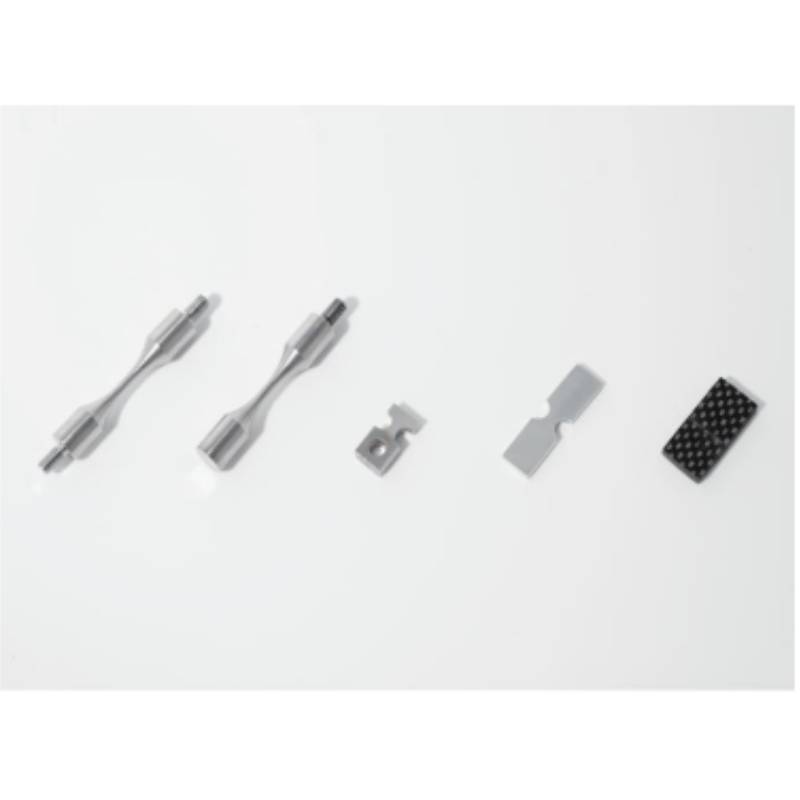
2. Multifunctional fixture: Supports multiple loading modes including tension, compression, bending, and torsion, and is compatible with samples of various shapes (e.g., rods, sheets, notched specimens).
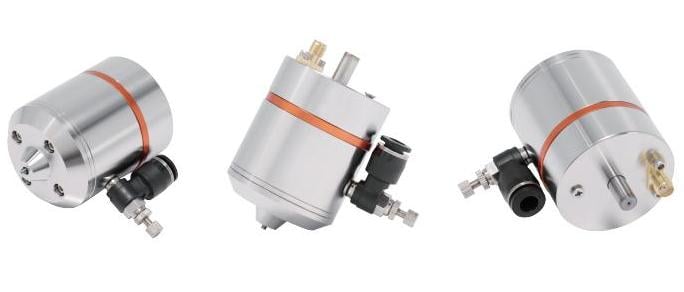
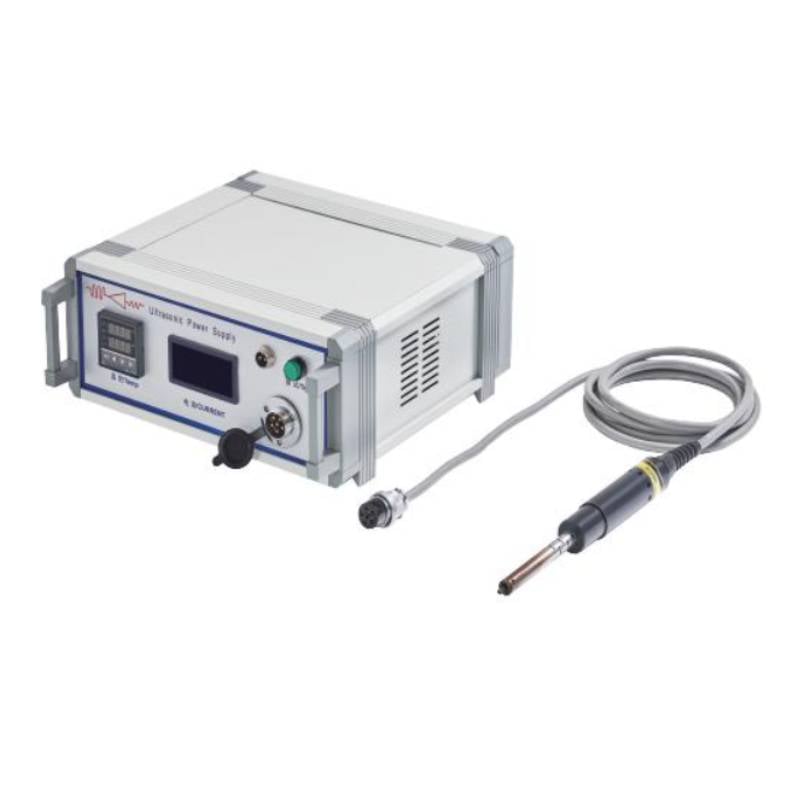
3. Ultrasonic high-frequency module with a 20 kHz vibration system: Utilizing piezoelectric transducers to generate high-frequency vibrations, it enables ultra-high-cycle fatigue testing ranging from 10^7 to 10^10 cycles, achieving significantly higher efficiency than traditional hydraulic/servo testing machines.
4. Adjustable amplitude: The vibration amplitude can be adjusted via the horn (amplitude rod) (typically 1–120 μm) to meet testing requirements for various materials.
5. Integrated control system with automatic frequency tracking: Real-time monitoring and locking of the sample's resonance frequency, compensating for frequency drift caused by temperature rise or damage.
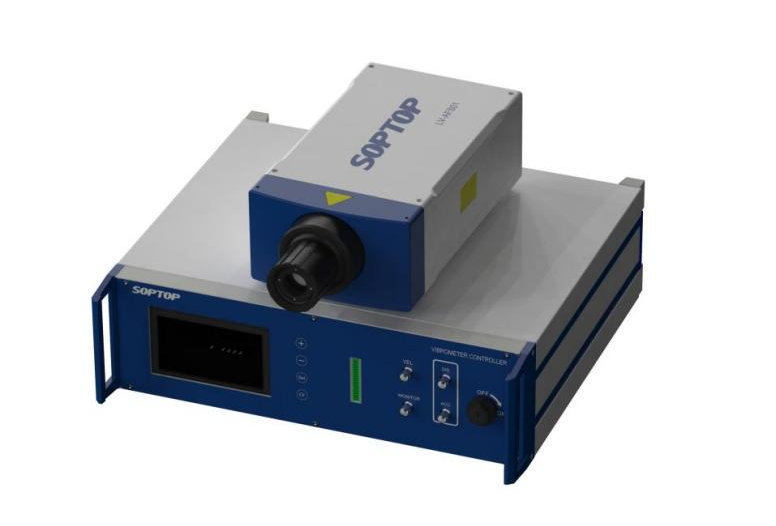
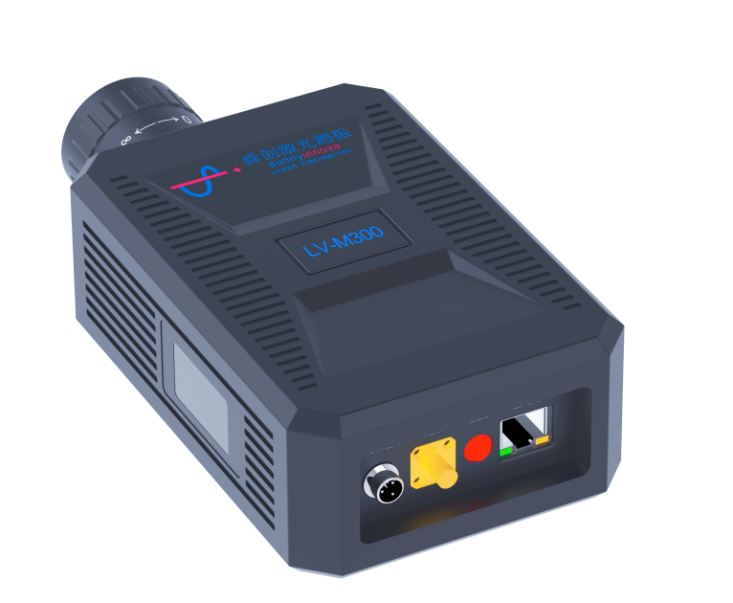
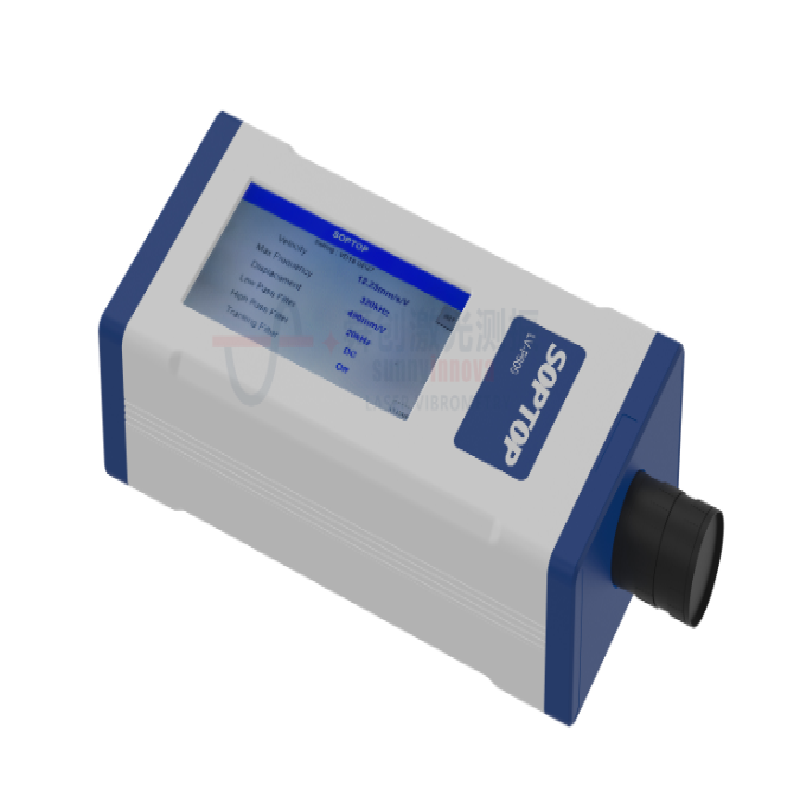
6. Multi-parameter synchronous monitoring: Records data such as cycle count, amplitude, temperature (infrared thermometry), and strain (laser displacement sensor), with automatic shutdown capability upon failure detection.
7. Environmental Simulation Module (optional): High/low temperature chamber – tests the fatigue performance of materials at temperatures ranging from-70°C to 1000°C.
8. Corrosion/vacuum environment: Investigate the effects of corrosive media or vacuum on fatigue life.
Common Application Areas
1. Aerospace Materials: Fatigue crack initiation mechanisms of titanium alloys and nickel-based superalloys under ultra-high cycle loads.
2. Biomedical Materials: Long-term dynamic durability testing of artificial joints and dental implants.
3. New energy materials: Reliability of lithium battery electrodes and fuel cell bipolar plates under high-frequency vibration.
4. Research and Teaching: Study of material fatigue mechanisms and graduate-level experimental courses.
Technological superiority
1. Combines high efficiency with precision: Approximately 7×10^7 cycles can be completed in 1 hour.
2. Multi-physics coupling: Supports research on synergistic interactions among mechanical, thermal, and chemical fields (e.g., thermomechanical fatigue).
3. Energy efficiency and environmental friendliness: Power consumption is only 1/10 that of traditional testing machines, with noise levels below 65 dB.
Comparison with traditional testing machines
| Parameter | Double-column Ultrasonic Fatigue Testing Machine | Traditional hydraulic fatigue testing machine |
| Test Frequency | 20 kHz (high frequency) | 0.1–100 Hz (low frequency) |
| Number of cycles per day | ~10^9 times | ~10^6 times |
| Specimen size | Small (requires resonance design) | Large (Unlimited) |
| Energy consumption | 200-500W | 5-10kW |
| Temperature Rise Control | Active cooling is required | The impact is relatively small. |
Limitations and Solutions
1. Sample size requirements: Customized design is required to meet resonance conditions, typically with a length <50 mm.
2. Solution: Optimize the sample geometry through finite element simulation.
3. Limited dynamic load range: Suitable for high-cycle, low-stress-amplitude tests but inadequate for simulating impact loads.
4. Solution: Combine static preloading to simulate complex operating conditions.
Future Development Direction
1. Intelligence: AI predicts fatigue life in real time and automatically optimizes test parameters.
2. Micro-scale capability: Supports micro/nano-scale fatigue testing of MEMS/NEMS devices.
3. Standardization: Promote the development of international standards by ASTM/ISO for ultrasonic fatigue testing methods.