 EN
EN
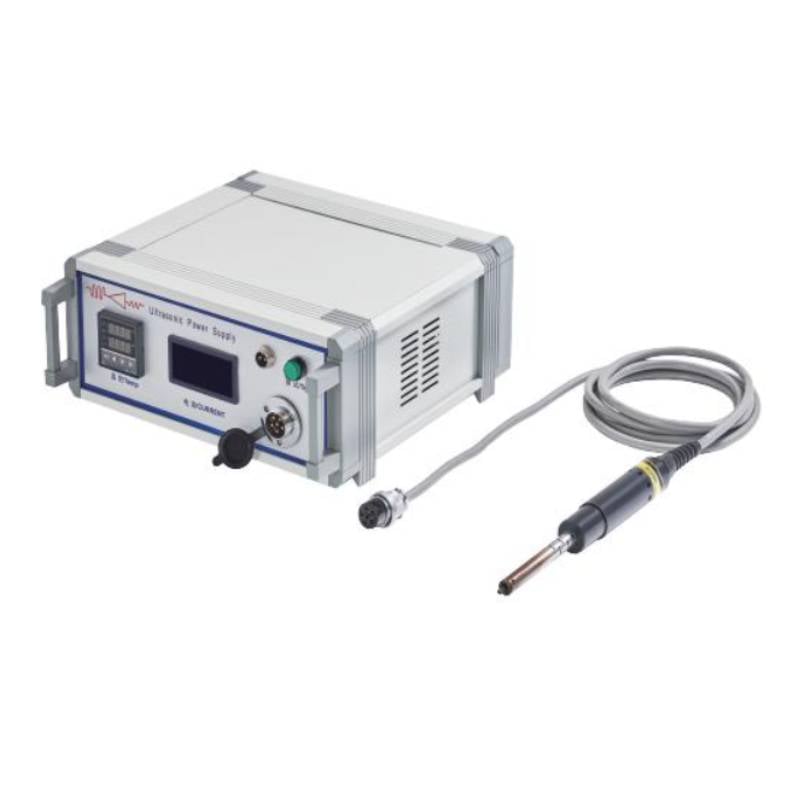
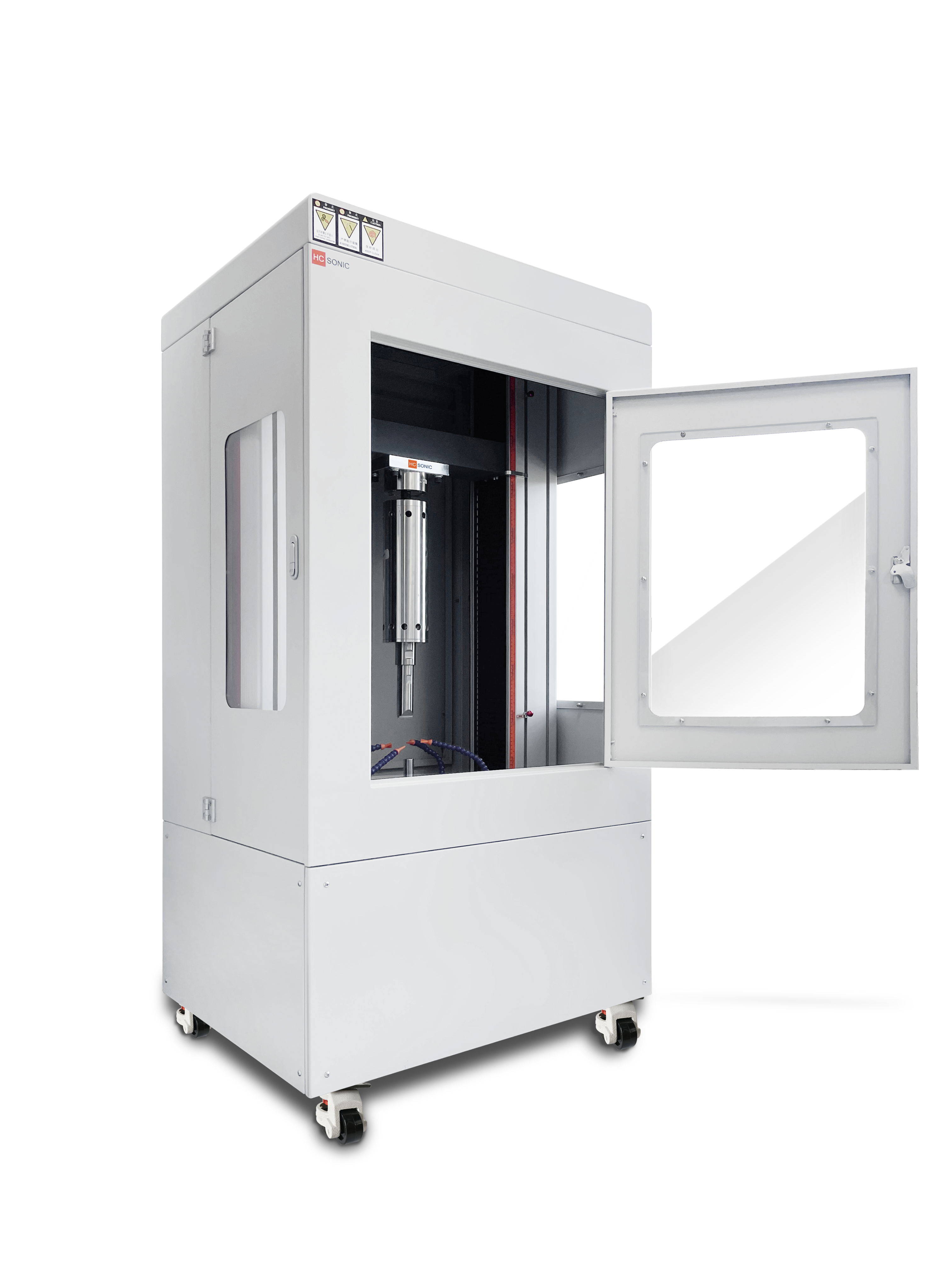
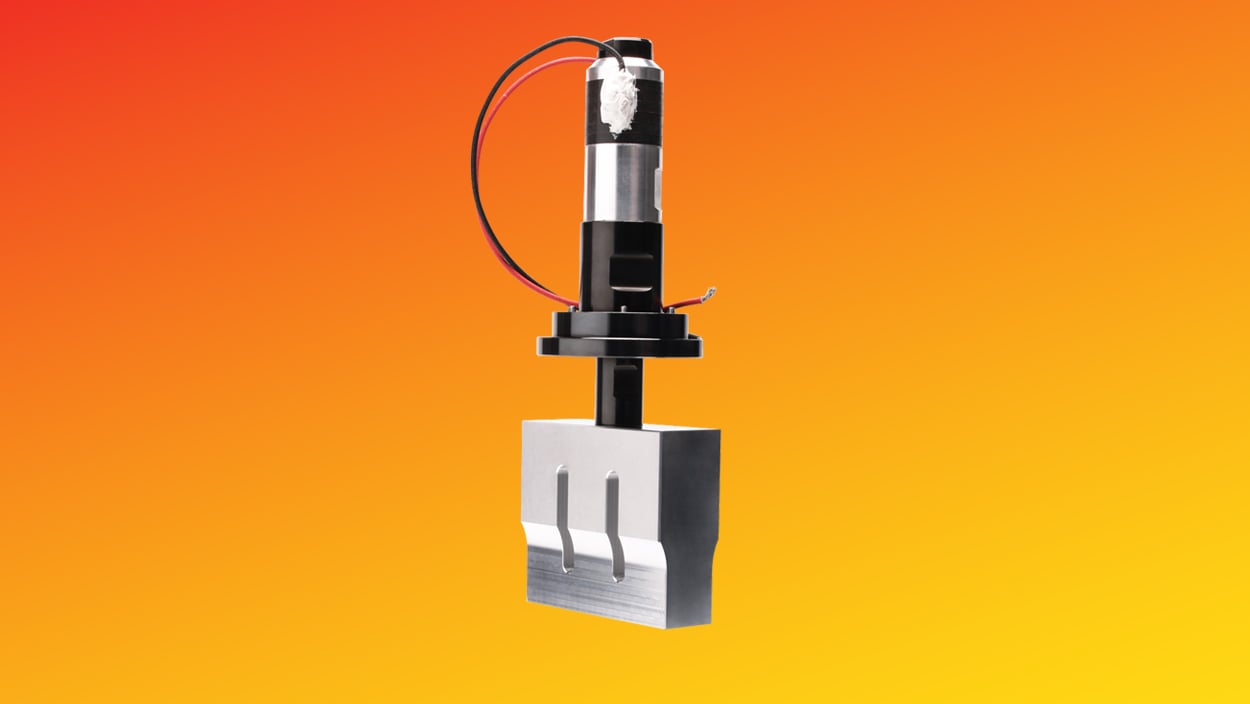
60k ultrasonic soldering iron equipment
Flux-free ultrasonic soldering iron for metals, glass, and ceramics.
1. Flux-Free Operation
Ultrasonic cavitation enables direct soldering without flux or metallization.
2. Versatile Material Compatibility
Brazes glass, ceramics, titanium, stainless steel, and molybdenum alloys.
3. Precise Temperature Control
20-700°C adjustable range with titanium alloy tool head for durability.
- Overview
- Recommended Products
Device Overview
An ultrasonic soldering iron, also known as an ultrasonic tin applicator or ultrasonic soldering machine, utilizes the cavitation effect of ultrasound to bond metals and non-metals without the need for flux. The key distinction from conventional soldering irons lies in its capability to directly solder materials that are difficult to tin, such as glass, ceramics, titanium alloys, stainless steel, and molybdenum alloys, without requiring metallization of the materials—a feature that significantly simplifies the process and reduces costs. Ultrasonic soldering equipment is considered a more environmentally friendly welding solution. Compared to traditional soldering irons, it generates substantial heat during operation; combined with the high-frequency oscillations of ultrasound, this approach minimizes interference from oxide films on the workpiece surface and eliminates the bubble formation issues associated with conventional welding methods.
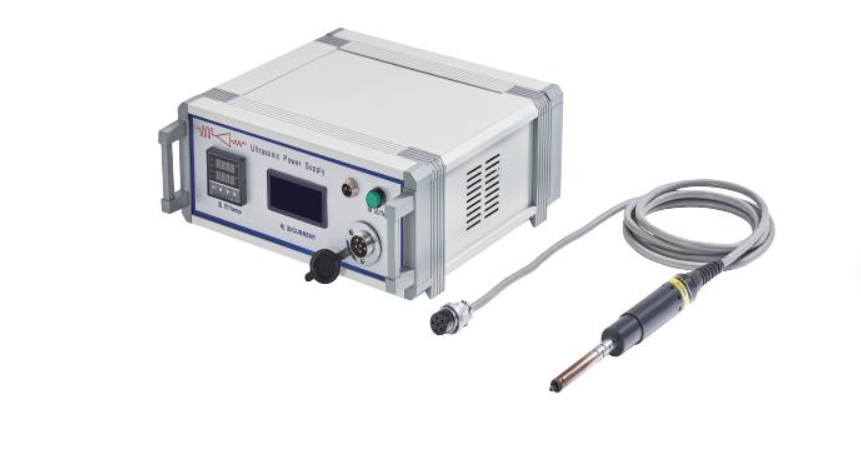
60k ultrasonic soldering iron equipment
Operational principle,principle of operation
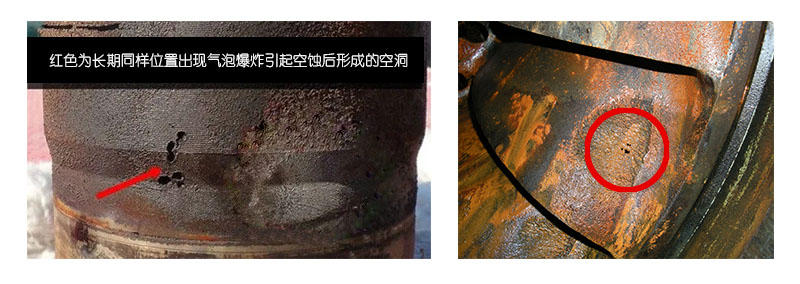
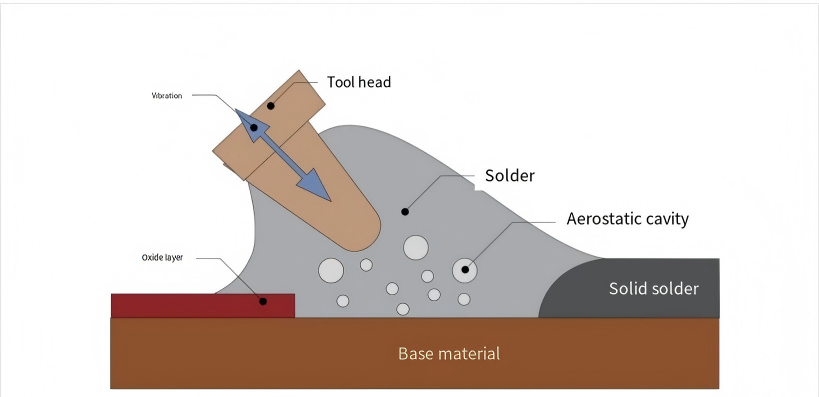
During ultrasonic tin welding, heat from a separate energy source melts the solder before applying vibrational energy. The molten solder then serves as the acoustic transmission medium for ultrasonic vibrations. When high-frequency vibration energy is applied to the molten solder, controlled acoustic cavitation occurs at the tip of the welding tool, breaking down and dispersing surface oxides. The collapse of these microcavities cleans all surfaces, allowing the liquid solder to wet and bond pure metals.
Device Advantages
1. Eliminate false soldering by eliminating the need for flux; utilize the equipment's high-temperature capability to securely weld materials to solder paste.
2. Features high speed, excellent efficiency, and superior welding quality. The welds are robust and free from delamination.
3. It can weld components that are difficult to solder with conventional soldering irons, such as glass or ceramic items that require flux.
4. The device is compact and lightweight, making it easy to move around during operation. It features simple operation, allows free adjustment of the temperature range, and is user-friendly.
Device Application
1. Manufacturing of glass ornaments;
2. Welding of heating contacts for automotive rear windows;
3. Coating/metalization of optical lenses;
4. Welding of superconductors, components, and ceramic accessories;
5. Fabrication of electrodes on glass and ceramic plates;
6. Vacuum sealing of glass tubes and bonding of hardware components;
7. Sealing of optical fiber glass (using metal clamps);
8. Mounting of electrodes on front and back contacts of solar cells (crystalline/film-based);
9. Bonding of leads (grid patterns) for metal/LCD glass hybrid integrated circuits;
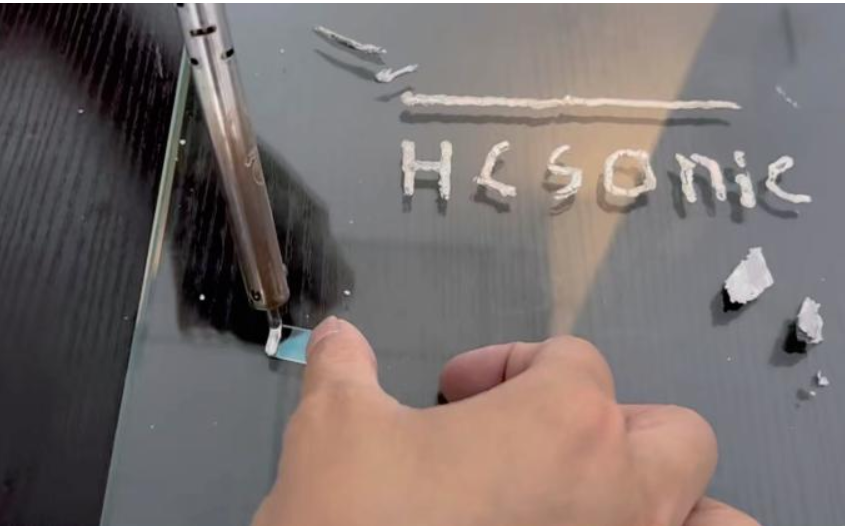
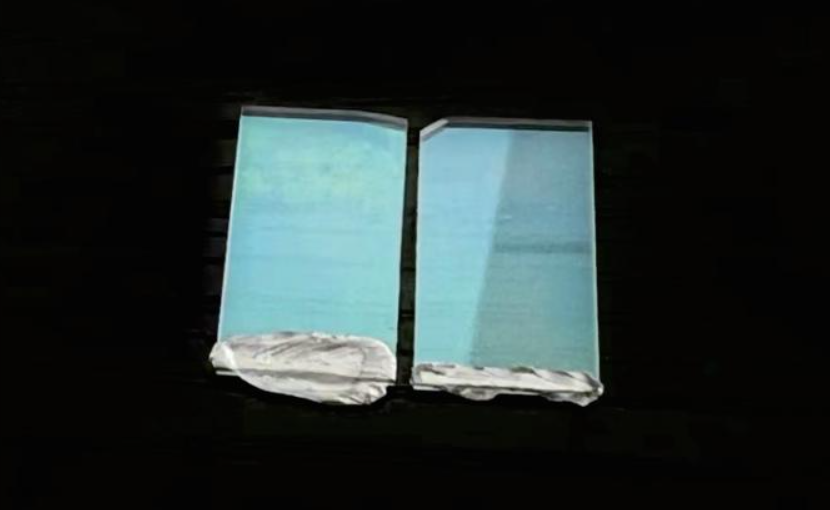
Experimental Demonstration
The glass used in this experiment complies with the national standard 3C. As observed during the experiment, the soldering iron exhibits more durable tin coating and reduced peeling tendency after ultrasonic activation.
Plant parameter
| Total Technical Parameters | Vibrating Component Parameters | Assemble Component Parameters |
| Specification Model: HC-MA6001GL | Cooling method: Air cooling | Transducer: Piezoelectric ceramic/imported aluminum |
| Device Power: ≤100W | Maximum service temperature: 400°C | Amplitude rod: high-strength titanium alloy |
| Operating frequency: 55.0–60.0 ± 0.5 kHz | Maximum allowable pressure: atmospheric pressure | Tool head: High-strength alloy steel |
| Temperature range: 100–400°C | Vibration component power: ≤100 W | Protective housing: SAGANG |
Example Demonstration