 EN
EN
- Overview
- Recommended Products
Device Overview
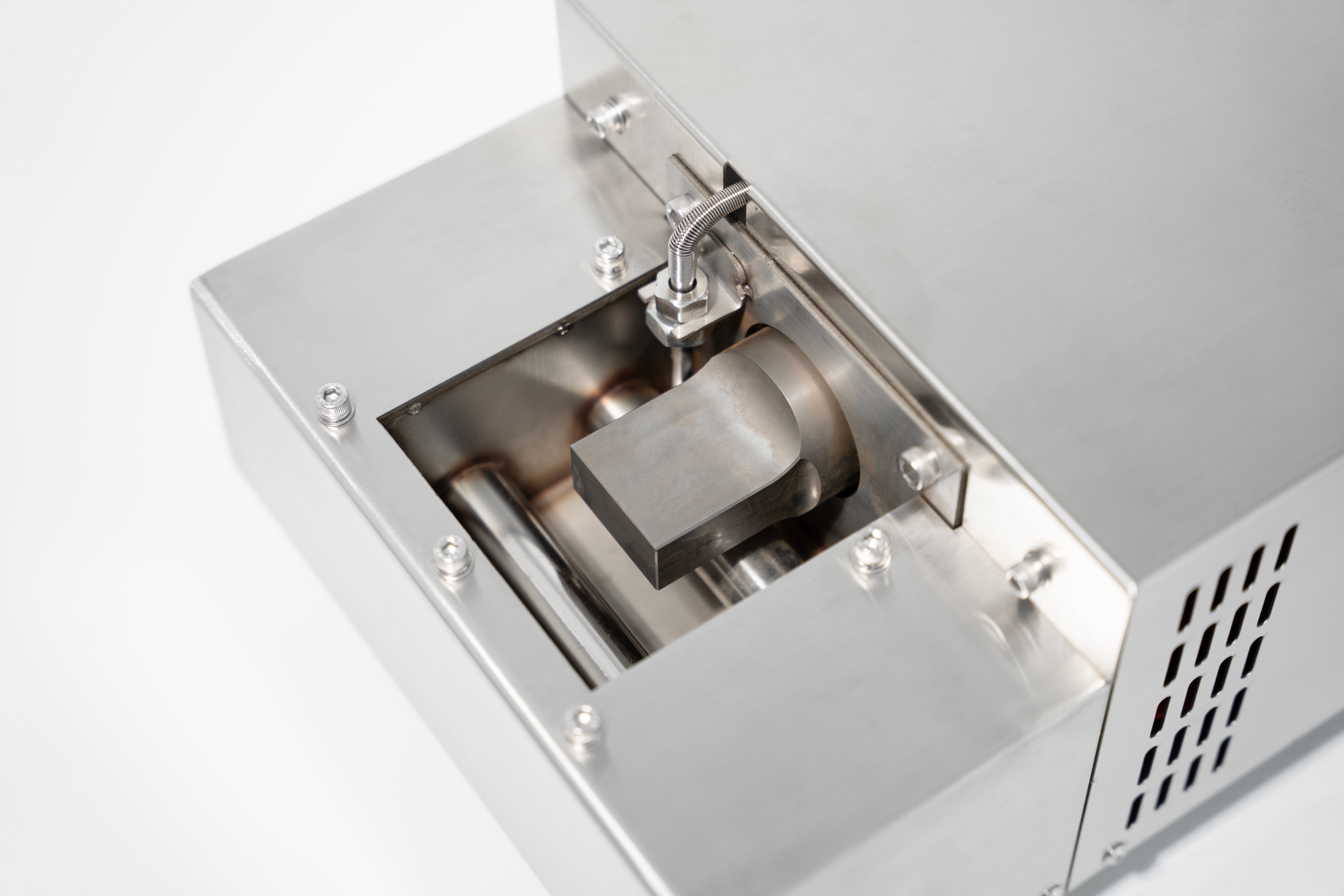
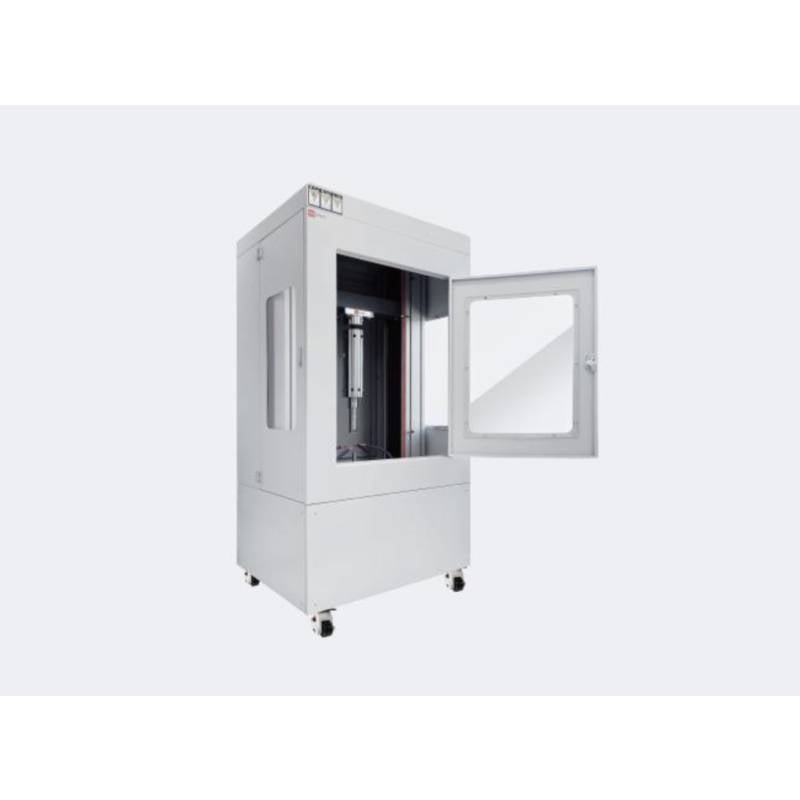
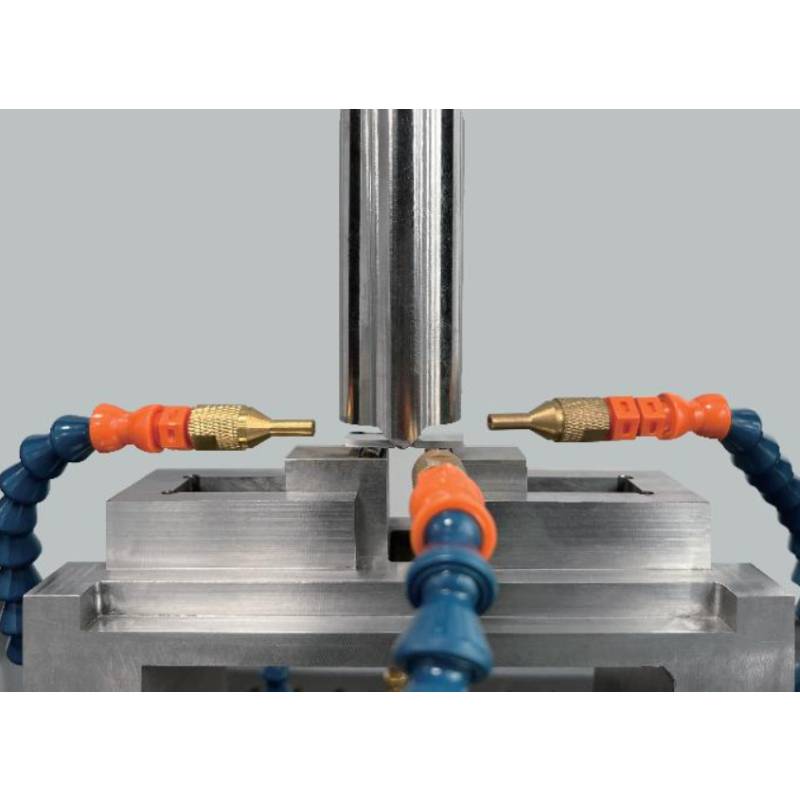
The in-situ online ultrasonic fatigue testing system is an advanced material testing platform that integrates ultra-high-frequency fatigue loading, real-time microscopic observation, and multi-field coupling analysis. By combining ultrasonic high-frequency vibrations (20 kHz) with in-situ characterization techniques such as SEM, X-ray microscopy, and optical microscopy, it enables direct observation of material microstructural evolution during fatigue processes—including crack initiation, dislocation movement, and phase transformations—providing dynamic experimental data for elucidating fatigue mechanisms.
Core Functions and Technological Innovation
1. High-frequency excitation of the ultrasonic fatigue loading system: piezoelectric vibration at 20 kHz, capable of performing 10^8 to 10^9 cycles per day, significantly reducing the testing cycle duration.
Load combination: Supports coordinated loading of static preloads (tension/compression) and dynamic vibrations to simulate complex operating conditions.
Precise control: amplitude (1–100 μm), frequency (automatically tracking the resonance point), and temperature (-196 °C to 1200 °C) with closed-loop regulation.
2.In-situ real-time observation module integrated with electron microscopy (SEM/TEM): enables direct observation of micron/nanometer-scale crack propagation, grain boundary slip, and other phenomena (requires vacuum-compatible design).
Typical model: Zeiss Sigma 300 + Ultrasonic Fatigue Module.
Synchrotron Radiation/X-ray Diffraction (SR-CT): Three-dimensional imaging of internal defect evolution within materials (e.g., pore polymerization, phase transitions).
Typical platform: Shanghai Synchrotron Radiation Facility's APS line-station coupled ultrasonic fatigue system.
Optical Microscopy and Digital Image Correlation (DIC): Surface strain field measurement combined with high-speed cameras to record transient deformations.
3. Multi-coupling extreme environment chamber: high temperature (resistance heating), low temperature (liquid nitrogen cooling), corrosion (electrolysis cell), vacuum/high pressure.
Synergistic effects of mechanical, thermal, electrical, and chemical factors: For example, investigating fatigue failure of lithium-ion battery electrodes during charge-discharge cycles.
4. Intelligent Monitoring and Data Analysis with Multi-Sensor Fusion: Acoustic emission (crack initiation signals), infrared thermal imaging (local temperature hotspots), laser confocal microscopy (surface morphology evolution); AI-based real-time warning: identifies fatigue damage characteristics through machine learning to predict remaining service life.
Common Application Areas
| Application Areas | Scientific problems | In situ technology |
| Metallic material | Origin mechanism of "fish-eye" cracks under ultra-high frequency cycles (due to the effect of non-metallic inclusions) | SEM + EBSD (Grain Orientation Analysis) |
| Composite material | The dynamic process of delamination at the fiber/matrix interface | X-ray Microscopic CT |
| Additive Manufacturing | Impact of printing defects (porosity, poor fusion) on fatigue life | Synchrotron radiation-based high-resolution imaging |
| Biological materials | Synergistic failure of micro-wear and fatigue in bionic materials within fluid environments | Optical Microscopy + Electrochemical Workstation |
| Semiconductor | Microcrack propagation of chip packaging materials under thermal-mechanical loads | Infrared thermal imaging camera + DIC |
Technological Advantages and Challenges
1. Dynamic advantage observation:
Directly captures transient damage processes unattainable through traditional offline testing.
High-throughput data: A single experiment simultaneously captures multidimensional information on mechanical properties, microstructure, and environmental responses.
Cross-scale study: A comprehensive analysis spanning from nanoscale dislocation motion to macroscopic crack propagation.
2. Challenges and Solutions
| Challenge | Solution |
| Imaging quality affected by high-frequency vibration interference | Utilize a vibration-isolated platform combined with high-speed synchronous triggering technology |
| Sample size limitations (SEM-compatible) | Design miniature specimens (e.g., 1×1 mm thin sheets) |
| Multimodal data fusion is highly complex. | Develop specialized software (e.g., the Python open-source toolkit FatigueLab) |
Future Development Direction
Multi-technology integration: Combining atomic force microscopy (AFM), Raman spectroscopy, and other techniques to achieve nanoscale mechanical-chemical analysis.
Automation and AI: Automatically identify damage patterns and optimize experimental parameters through deep learning.
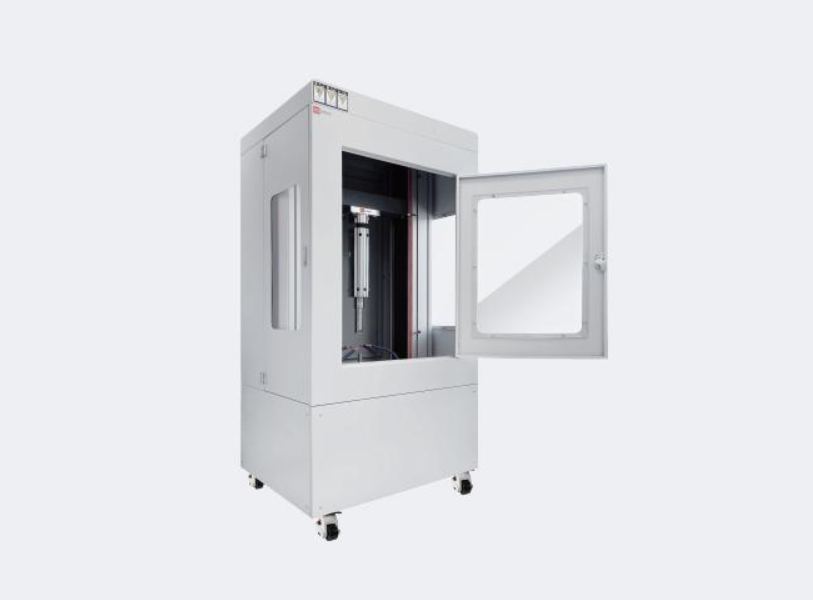
In-situ Online Ultrasonic Fatigue Testing Machine
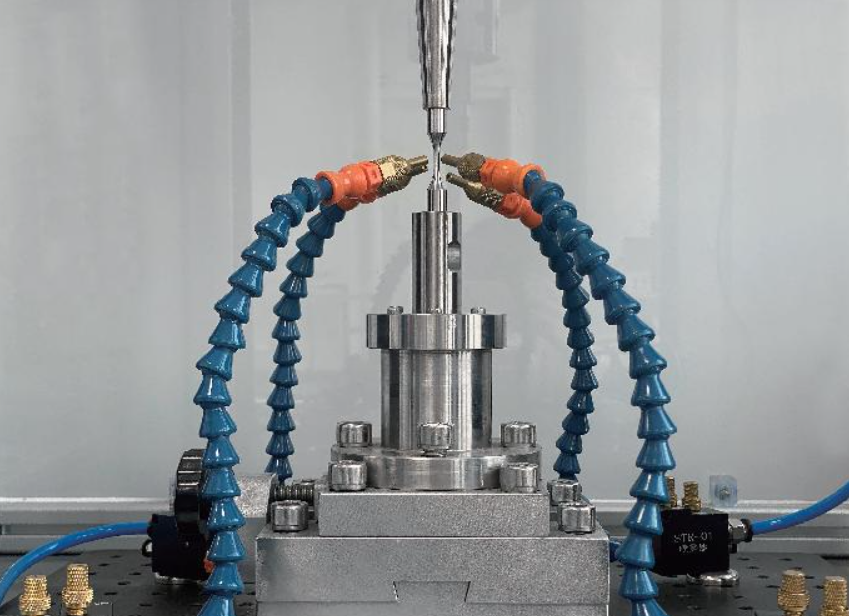
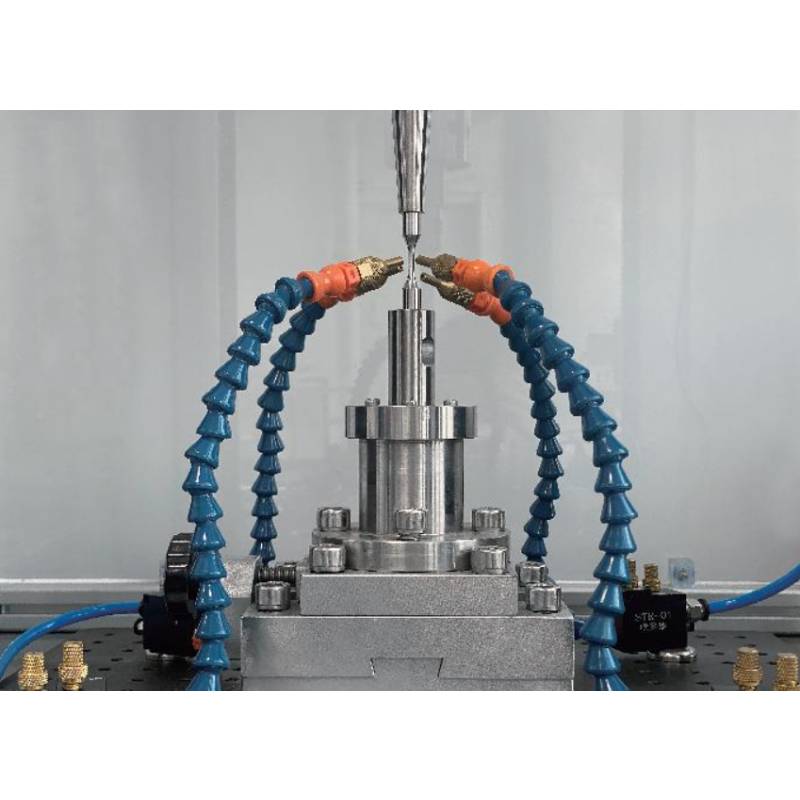
Adjustable stress ratio axial tension-compression fatigue test
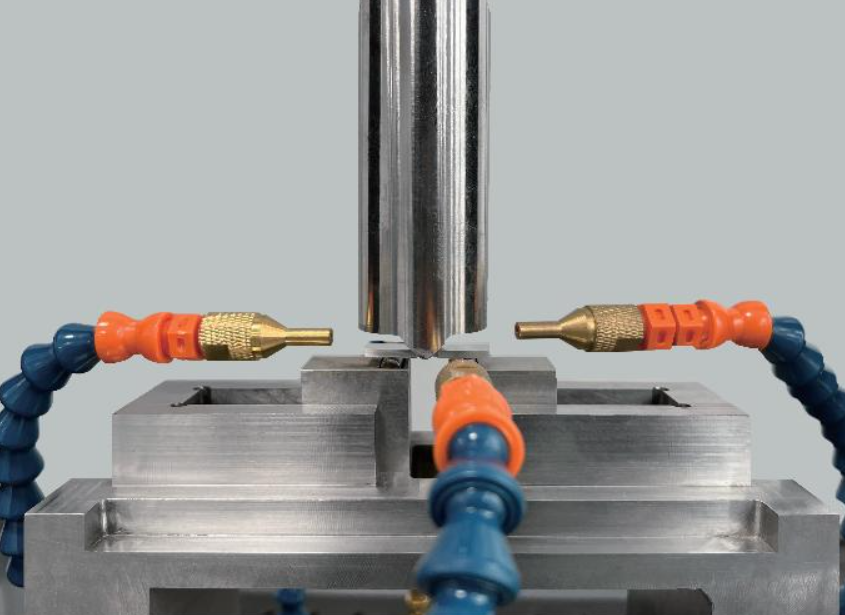
Three-point bending fatigue test