 EN
EN
- Overview
- Recommended Products
Device Overview
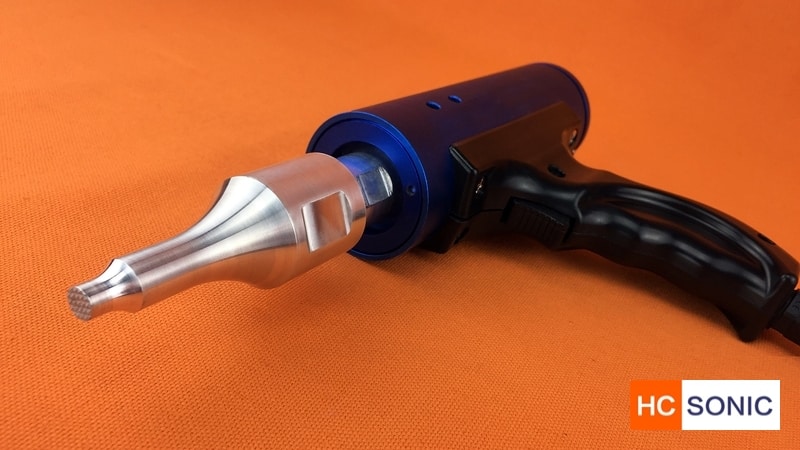
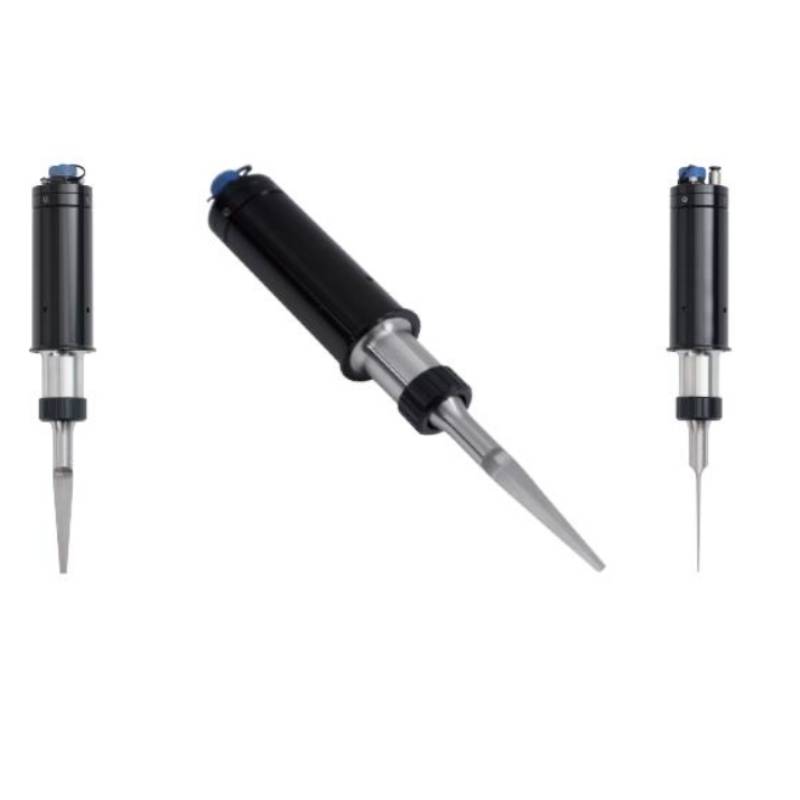
Ultrasonic cutting utilizes the energy of ultrasound to locally heat and melt the target material, thereby achieving material separation without requiring a sharp cutting edge.
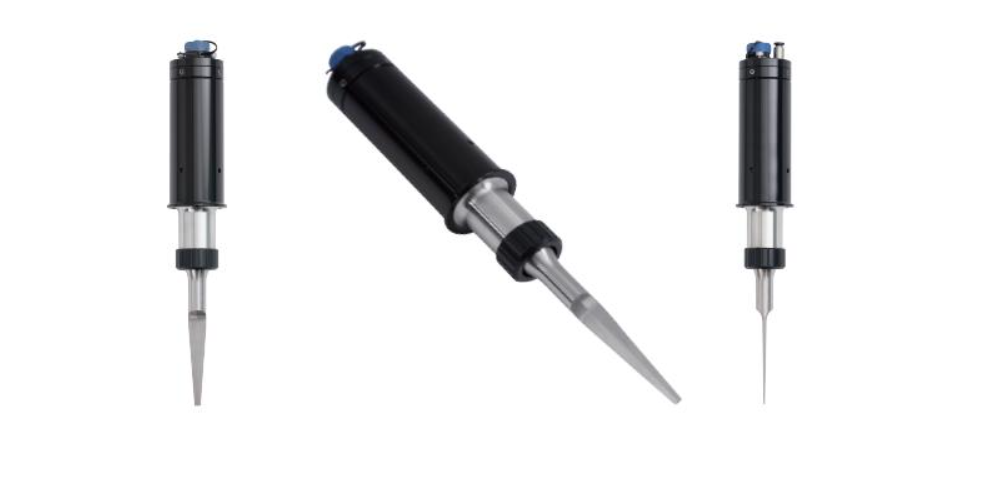
The 40k ultrasonic integrated cutting tool produces a nearly frictionless cutting surface, offering significant advantages for cutting operations. This low-friction surface enables effective cutting of various materials such as plastics and fabrics without causing deformation or displacement. The reduced heat generation under these conditions also minimizes the tendency for cut materials to adhere to the tool, resulting in more uniform cuts. Thanks to the advanced process control capabilities of the ultrasonic generator, the performance of the cutting tool can be easily regulated by simply adjusting the equipment parameters.
Device Advantages
1. Precise cutting: High-frequency vibration minimizes traction on surrounding tissues, ensuring smooth cutting of plastics, fabrics, and other materials without burrs or flying fibers. 2. Low-temperature effect: Vibration-induced friction generates minimal heat, typically combined with a cooling system to prevent excessive temperature damage to workpieces.
3. Integrated design; handheld operation. The integrated blade design ensures more stable ultrasonic frequency, enhances portability, reduces energy loss, and improves operational flexibility.
4. Multifunctionality: Capable of cutting soft tissues, elastic materials (e.g., rubber), composite materials, etc.; some models incorporate coagulation functionality.
Experimental Demonstration
The following videos demonstrate the advantages of the 40 kHz ultrasonic integrated cutting tool when processing woven bags, strain plates, and honeycomb materials. The overall cutting process is smooth and uninterrupted, environmentally friendly and safe, with no smoke or odor emissions.
Plant parameter
| Total Technical Parameters | Vibrating Component Parameters | Assembling components and materials |
| Specification Model: HC-CKY4001G | Transducer: Piezoelectric ceramic/imported aluminum | Cooling method: Air cooling |
| Total Power: 100W/300W (optional) | Amplitude rod: High-quality aviation-grade aluminum | Maximum service temperature: 0–45°C |
| Operating frequency: 40.0 ± 1 kHz | Cutting blade: titanium alloy | Maximum allowable pressure: atmospheric pressure |
| Input Voltage: 220V/50Hz | Protective housing: titanium alloy |
Example Demonstration
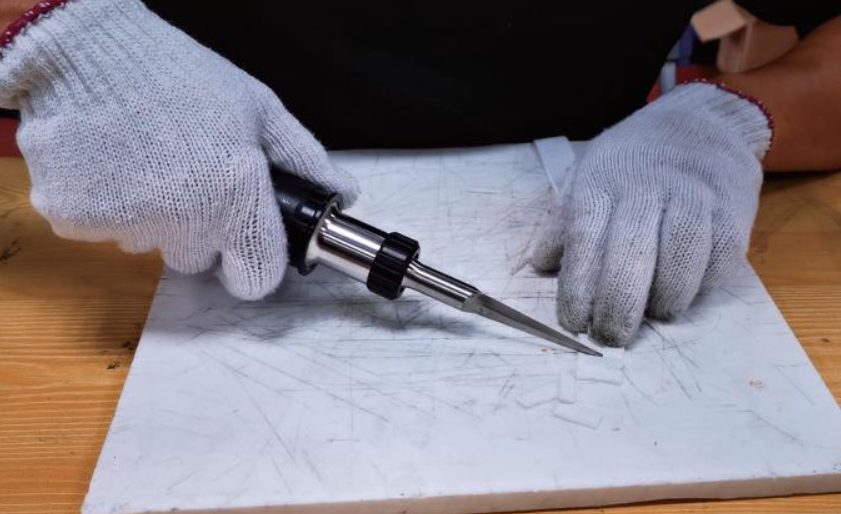
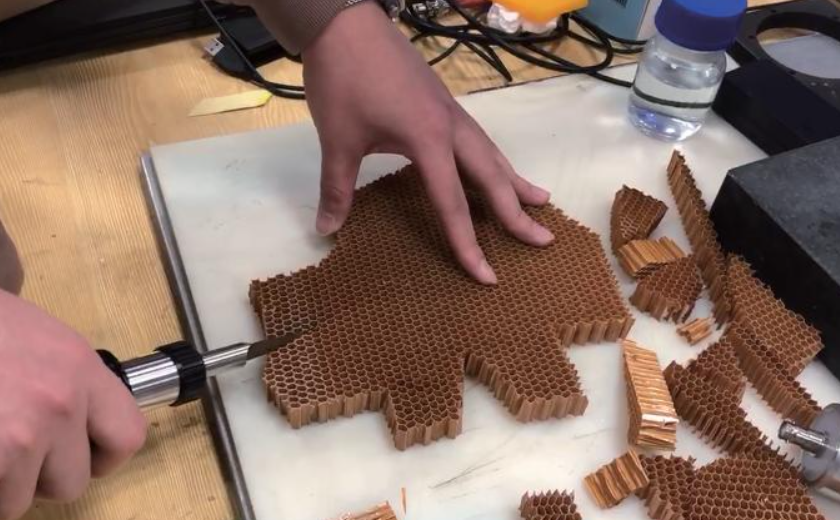
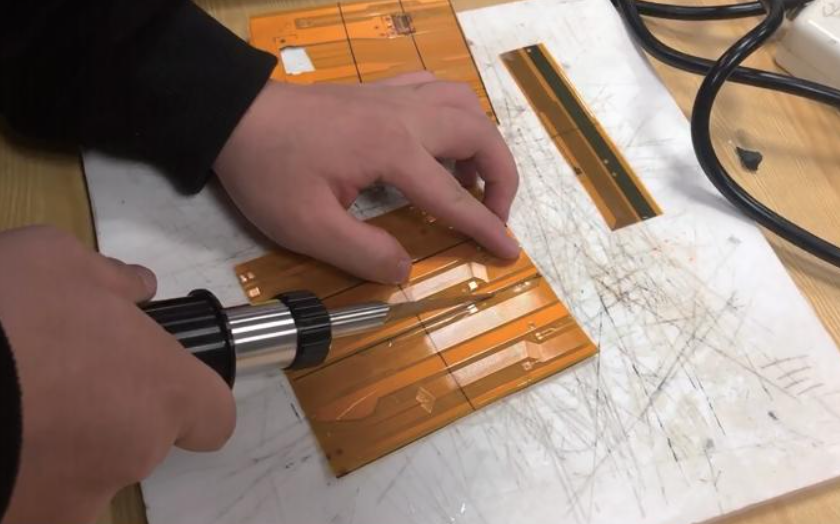
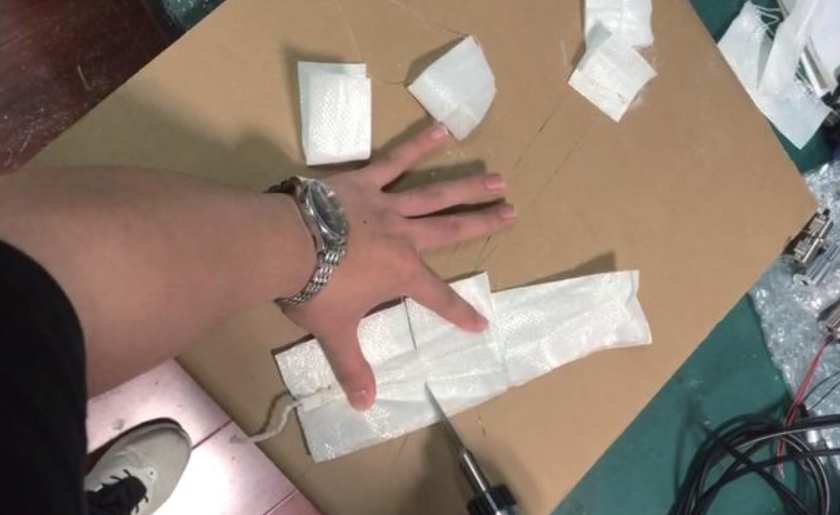
Common Questions Guide
1. Does the ultrasound generated by an ultrasonic cutting knife affect health?
No, ultrasound refers to sound waves with a minimum frequency of 20,000 Hz that are inaudible to the human ear. The decibel level generated during the procedure is kept below 50 (according to the Journal of Natural Science and Medicine, only prolonged exposure above 90 decibels may induce symptoms such as anxiety or palpitations), and it does not adversely affect human health.
2. What are the reasons why an ultrasonic cutting tool may exhibit excellent performance during initial cutting but subsequent cuts show declining performance?
The aforementioned issues arise from multiple factors: the degradation of the transducer's quality factor leads to rapid attenuation of mechanical energy during operation, reduced stability, decreased resonant efficiency, and excessive heat generation.
The transducer and mold are not properly matched, resulting in an imbalance between mechanical energy and thermal energy, which leads to excessive heating and attenuation of the mechanical energy generated during resonance.
The ultrasonic power generator is not properly matched with the ultrasonic components.
3. What are the causes of wave patterns appearing during the cutting process with an ultrasonic cutter?
The appearance of wave patterns during ultrasonic cutting is attributed to insufficient vibration efficiency, resulting in an imbalance between the generated mechanical energy and thermal energy. Adjusting the power level or modifying the output vibration amplitude can improve cutting efficiency and eliminate these wave patterns.