 EN
EN
- Overview
- Recommended Products
Device Overview
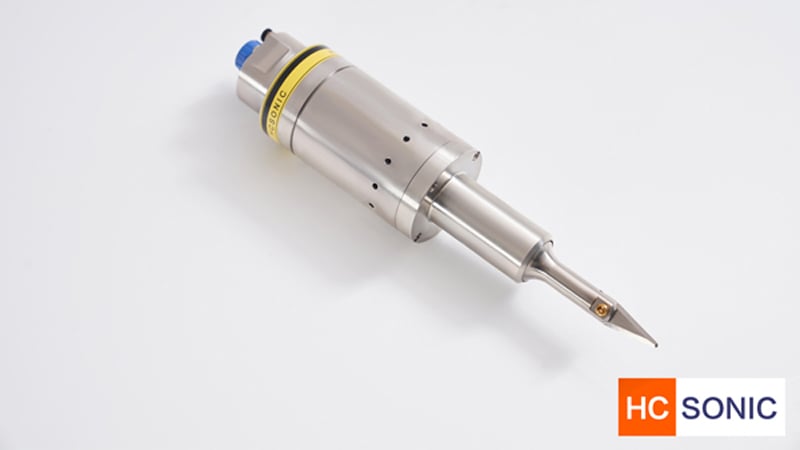
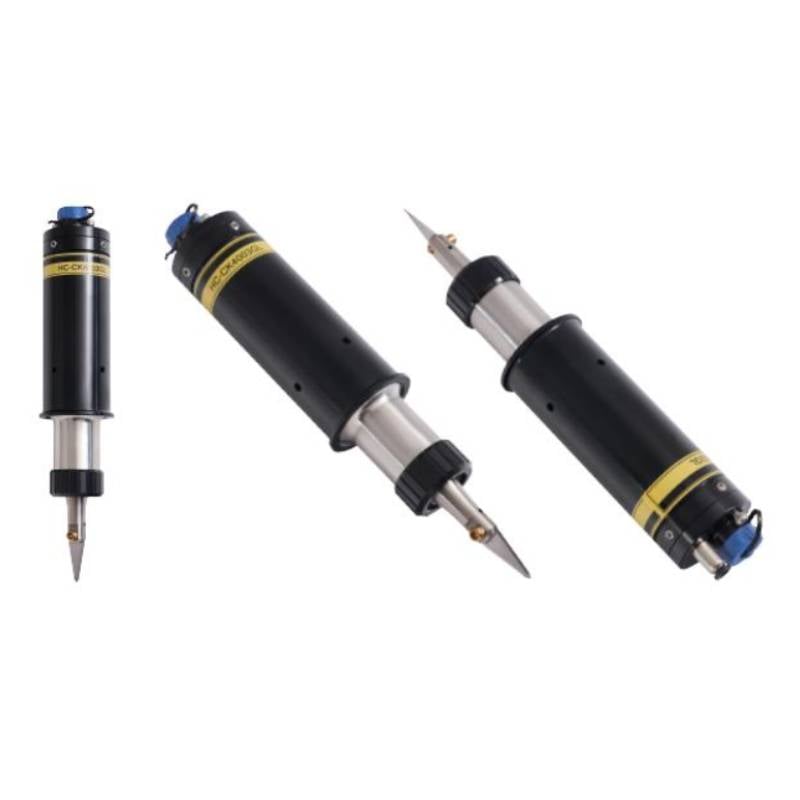
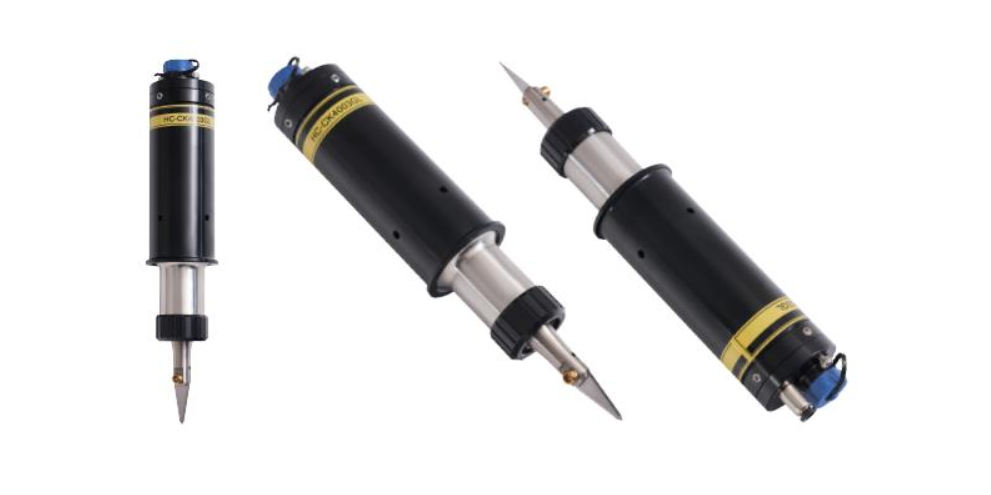
The 40 kHz Ultrasonic Blade Replacement Cutting Tool is a device that utilizes 40 kHz ultrasonic energy for cutting. It converts electrical energy into mechanical energy via an ultrasonic generator, causing the cutting tip to vibrate at high frequency and locally heat and melt the material to achieve cutting. This equipment offers high-quality cuts, rapid efficiency, and broad applicability, suitable for cutting various materials such as rubber, plastic, and fabric. Its cutting tip typically consists of materials like titanium alloy, features replaceable blades, and is easy to operate—compatible with both handheld use and integration with automated systems.
Operational principle
Utilizing resonance technology, an ultrasonic generator produces high-frequency vibrations at 40,000 cycles per second, converting electrical energy into mechanical energy and transmitting it to the cutting tip. Under these high-frequency vibrations, the cutting tip locally heats and melts the material being cut, causing molecular bonds to break, thereby achieving cutting without requiring sharp edges or significant pressure.
Device Advantages
1. High cutting quality: The cut surface is smooth and flat, free from burrs, chips, or edge chipping, ensuring the integrity and aesthetic appearance of the material being cut.
2. High cutting efficiency: The cutting speed is significantly faster, exceeding that of traditional cutting tools by more than 10 times, effectively reducing processing time and enhancing production efficiency.
3. Broad applicability: Capable of cutting various materials such as rubber, plastics, films, fabrics, paper, food items, etc., demonstrating particularly outstanding performance with difficult-to-cut materials exhibiting high viscosity, elasticity, or cryogenic properties.
4. Long tool life: The blade operates under high-frequency vibration, resulting in low friction resistance and reduced material adhesion, thereby minimizing blade wear. Additionally, replaceable blades are available, further lowering operational costs.
5. Easy operation: Simple to install and convenient to use, it can be operated handheld or integrated with automated equipment without significantly altering the original cutting process.
Experimental Demonstration
The following videos demonstrate the advantages of the 40 kHz ultrasonic blade replacement cutting tool when processing materials such as silicone pads and plastic sheets. The overall cutting process is smooth and uninterrupted, environmentally friendly and safe, with no smoke or odor.
Plant parameter
| Total Technical Parameters | Vibrating Component Parameters | Assembling components and materials |
| Specification Model: HC-CKT4003GL | Transducer: Piezoelectric ceramic/imported aluminum | Cooling method: Air cooling |
| Total Power: 100W/300W (optional) | Amplitude rod: titanium alloy | Maximum service temperature: 0–45°C |
| Operating frequency: 40.0 ± 1 kHz | Cutting blade: High-strength die steel | Maximum allowable pressure: atmospheric pressure |
| Input Voltage: 220V/50Hz | Protective housing: SAGANG aluminum alloy |
Example Display
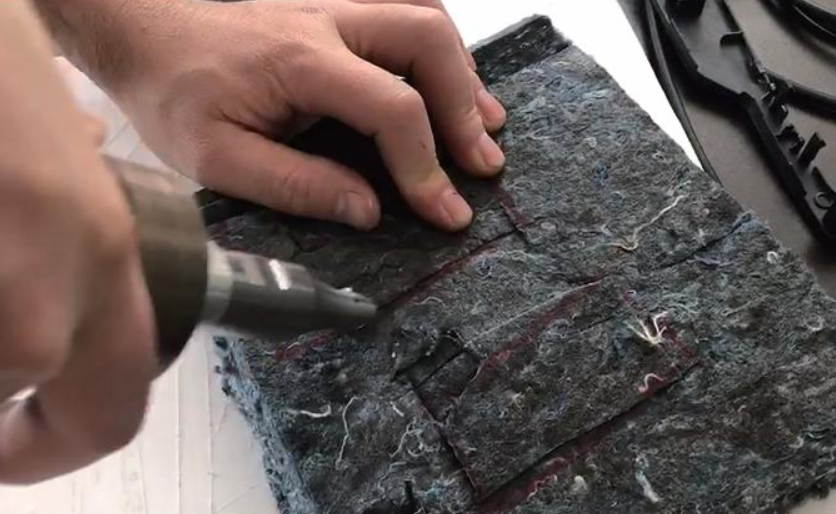
Thick felt cutting
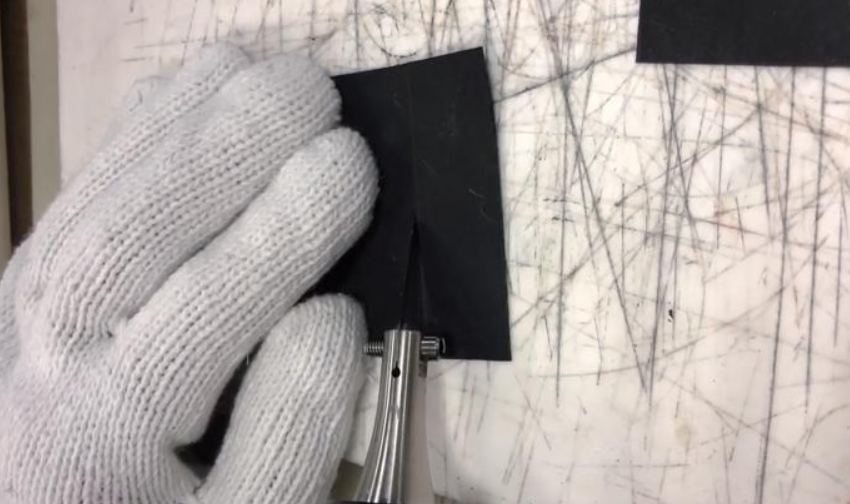
Cotton fabric cutting
Common Questions Guide
1. Does the ultrasound generated by an ultrasonic cutting knife affect health?
No, ultrasound refers to sound waves with a minimum frequency of 20,000 Hz that are inaudible to the human ear. The decibel level generated during the procedure is kept below 50 (according to the Journal of Natural Science and Medicine, only prolonged exposure above 90 decibels may induce symptoms such as anxiety or palpitations), and it does not adversely affect human health.
2. What are the reasons why an ultrasonic cutting tool may exhibit excellent performance during initial cutting but subsequent cuts show declining performance?
The aforementioned issues arise from multiple factors: the degradation of the transducer's quality factor leads to rapid attenuation of mechanical energy during operation, reduced stability, decreased resonant efficiency, and excessive heat generation.
The transducer and mold are not properly matched, resulting in an imbalance between mechanical energy and thermal energy, which leads to excessive heating and attenuation of the mechanical energy generated during resonance.
The ultrasonic power generator is not properly matched with the ultrasonic components.
3. What are the causes of wave patterns appearing during the cutting process with an ultrasonic cutter?
The appearance of wave patterns during ultrasonic cutting is attributed to insufficient vibration efficiency, resulting in an imbalance between the generated mechanical energy and thermal energy. Adjusting the power level or modifying the output vibration amplitude can improve cutting efficiency and eliminate these wave patterns.