
 EN
EN
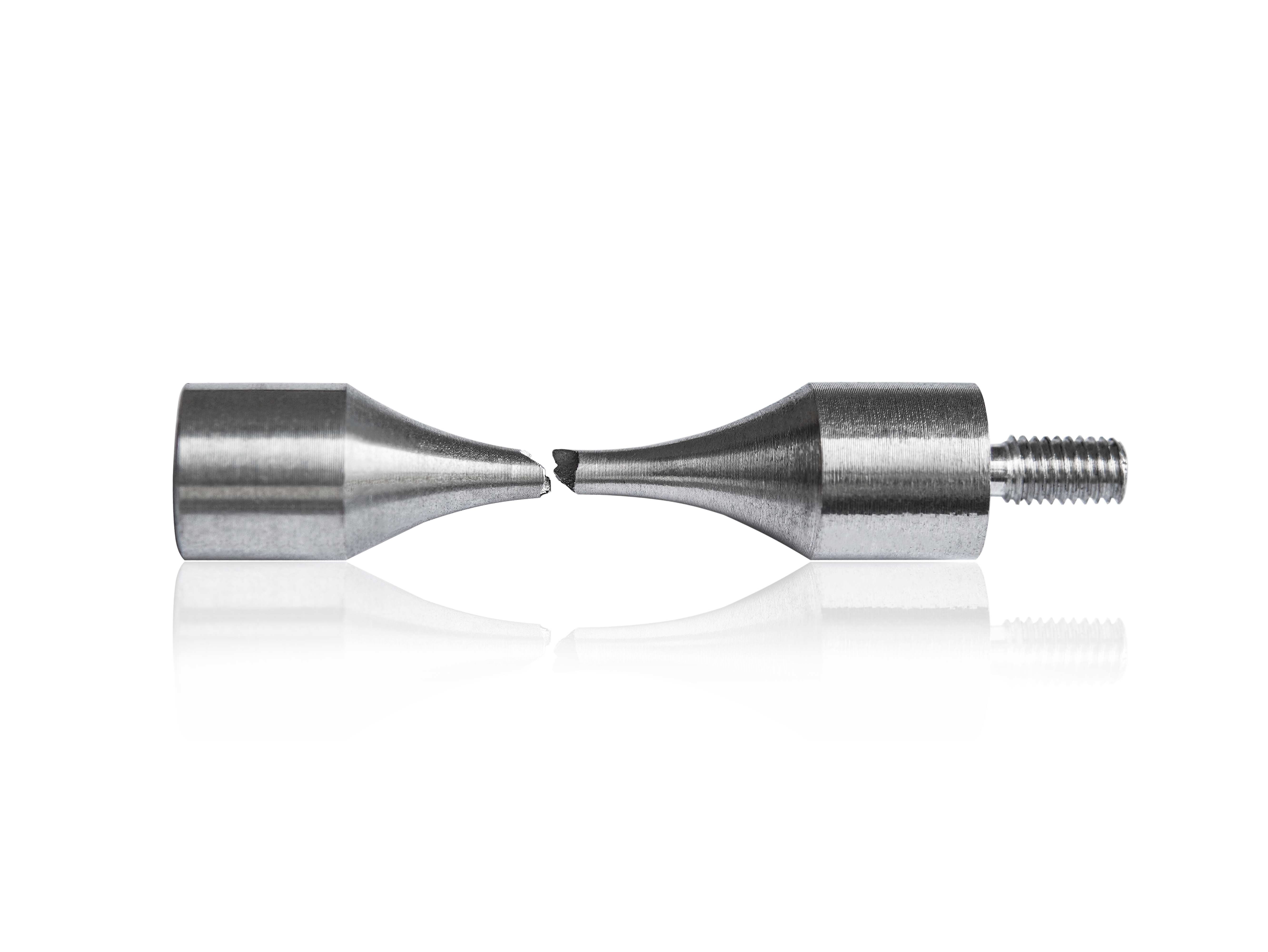
The Critical Role of Fatigue Testing in Aerospace Safety
Why Fatigue Testing Is Essential for Aircraft Structural Integrity
Testing for fatigue is essential when it comes to keeping planes safe because it shows how different materials break down after being stressed repeatedly. Engineers use these tests to tweak their designs, figure out when maintenance should happen, and get a sense of how long important parts will last before needing replacement. The aerospace industry deals with structures that go through millions of load cycles during their time in service, so this kind of testing helps spot areas where stress builds up and confirms whether things can handle all that repeated pressure. If companies skip proper fatigue testing, tiny cracks or weaknesses in materials might go unnoticed until they cause major problems something we've sadly seen happen in several well-known plane crashes. When manufacturers catch these issues early on, they can put in place fixes like reinforcing certain areas or changing materials altogether, which keeps the whole plane structurally sound from takeoff to landing.
Limitations of Conventional Fatigue Testing Methods
Standard fatigue testing methods have major limitations when it comes to modern aerospace materials. Most conventional systems work at low frequencies around 20 to 60 Hz, which means simulating those really high cycle fatigue conditions takes forever—sometimes months or even years. This dramatically delays product development and drives up expenses. Another problem is these tests can't really match the complicated vibration patterns aircraft actually experience in flight. Plus, they just aren't sensitive enough to spot those tiny subsurface flaws where cracks start forming. Because of all this, many traditional testing approaches end up missing early warning signs in important parts. The aerospace industry clearly needs better testing solutions that respond faster and give more precise results without breaking the bank.
The Importance of Very High Cycle Fatigue (VHCF) in Aerospace Components
Testing for Very High Cycle Fatigue (VHCF) plays a key role when assessing how aerospace parts hold up under constant stress that goes well past 10 million cycles. Most standard fatigue tests stop short of this mark, but planes actually endure loads measured in the billions during their operational lifespan. What makes VHCF testing so valuable is its focus on materials' behavior at those extreme gigacycle levels, where tiny flaws like metal impurities or weak spots between grains can start cracks forming. Understanding these failure points gives engineers better data for predicting component life expectancy. This knowledge directly impacts safety and reliability, especially important for critical components such as jet engine turbines that spin thousands of times per minute or landing gear assemblies subjected to repeated takeoffs and landings across years of service.
How Ultrasonic Fatigue Testing Works: Principles and Advantages
Resonance Dynamics and High-Frequency Loading in Ultrasonic Systems
Ultrasonic fatigue testing works by using resonance to apply repeated loads at frequencies around 15 to 25 kHz, which speeds up stress cycle accumulation way beyond what traditional methods can do. The basic equipment consists of several parts working together: there's usually a piezoelectric transducer connected to a booster and horn system, plus the actual test specimen that needs to be carefully matched for resonance. When everything is properly aligned, standing waves form inside the material being tested, allowing energy to move through it efficiently while keeping the load conditions stable. What makes this approach so valuable is that these systems can complete about a million cycles in mere seconds instead of taking hours. That means very high cycle fatigue (VHCF) testing becomes something engineers can actually finish in real world time frames. Instead of waiting years for results, researchers now get answers in just a few days without losing accuracy in their measurements.
Speed and Precision Gains in Material Evaluation Using Ultrasonic Technology
What makes ultrasonic fatigue testing so valuable is how fast it works compared to other methods, plus the level of detail it provides. When running tests on big batches of samples, this approach gives much better statistical confidence when figuring out those all important fatigue limits needed for approving new aerospace materials. Even though these tests run at very high frequencies, there's surprisingly little impact from strain rate changes because the movements involved are actually quite tiny. That helps keep the results accurate regarding how materials respond under stress. Because of this efficiency, scientists can create detailed S-N curves showing stress versus cycles to failure right down into what we call the very high cycle fatigue range. These insights about cracks forming just below threshold levels simply aren't feasible using traditional hydraulic systems which take forever to complete similar tests.
Performance Benchmarks in Advanced Material Testing
Research from independent sources indicates that ultrasonic systems beat traditional approaches when it comes to speed and reliable data collection. Tests that go past 10 million cycles the standard benchmark for very high cycle fatigue can now take just days rather than what used to be decades long processes. Studies have found that there is a solid match between the fatigue limits measured using ultrasonics and what comes from older techniques, which proves this method works well in real engineering applications. The system also includes built-in temperature management that keeps things stable over long test periods, so materials like metal alloys, ceramic components, and composite structures all maintain consistent performance throughout testing. With these advantages, ultrasonic testing is becoming essential for qualifying new materials in the aerospace sector where precision matters most.
Advancing Aerospace Material Testing with Ultrasonic Innovations
Enhanced Detection of Subsurface Defects in Critical Components
Ultrasonic fatigue testing does a great job finding tiny subsurface flaws around 10 to 20 micrometers in size. These are defects that regular inspection methods tend to overlook, yet they can start serious cracks when subjected to repeated stress cycles. The ability to spot such minute issues matters a lot for parts where safety is paramount, think turbine blades or airplane landing gear. Manufacturing processes leave behind microscopic imperfections, and over time these can grow into real problems during operation. When ultrasonic systems catch these hidden weaknesses before they become major issues, engineers get a chance to redesign components or tighten quality checks. This early detection ultimately makes planes safer and extends their operational life span significantly.
Integrating Non-Destructive Testing (NDT) with Real-Time Monitoring
Ultrasonic systems today combine non-destructive testing methods with live monitoring capabilities, making them quite effective for assessing materials while they're still in operation. When running these tests, acoustic emission detectors work alongside digital image correlation tech to spot when cracks start forming and how they spread throughout the material. This gives engineers instant data about how well materials hold up under stress. The ability to monitor materials while they're being loaded makes life prediction models much more accurate and cuts down on the need for those expensive post-failure investigations we used to rely on so heavily. What this means in practice is that engineers get a far clearer picture of how materials behave over time when subjected to constant pressure. This knowledge translates directly into smarter choices during component certification processes and helps maintenance teams plan their schedules more effectively across entire fleets of equipment.
Case Study: Identifying Cracks in Turbine Blades Using Ultrasonic Fatigue Systems
New research into nickel based superalloy turbine blades shows how ultrasonic testing can spot tiny cracks forming after around 100 million cycles, way ahead of what traditional methods can catch. The team found that cracks typically start at impurities within the material and then spread along the grain boundaries, which is exactly how these parts tend to fail when exposed to extreme heat in aircraft engines. What makes this discovery so valuable is that it lets engineers see potential problems long before they become visible to the naked eye. This means companies can tweak their manufacturing processes and adjust design specs before sending components out for service. Getting ahead of these issues improves safety across the board while cutting down on maintenance expenses over time because parts last longer and require fewer checks during operation.
Ultrasonic Testing for Additive Manufactured Aerospace Components
Fatigue Challenges in 3D-Printed Materials Under Cyclic Loading
Parts made through additive manufacturing in the aerospace industry face some special problems when it comes to how they handle repeated stress over time. The way these parts are built often leaves behind tiny flaws inside their structure. We're talking about things like small pockets of empty space (porosity), bits of material that didn't fully melt together, and areas where layers didn't bond properly. All these little defects become spots where stress builds up, making cracks start much sooner than we'd expect. This is really important in what engineers call the very high cycle fatigue range, where parts might go through billions of movement cycles during their lifetime. Studies show that titanium alloys produced using 3D printing methods can be about 40% weaker against fatigue compared to traditionally manufactured versions according to research from ASM International last year. That kind of difference means manufacturers need completely different ways to test these printed materials if they want to ensure safety and reliability in aircraft applications.
Addressing Microstructural Defects in Additive Manufactured Alloys
Ultrasonic fatigue testing has proven to be much better at finding those tiny problems inside additively manufactured metal parts. When running at approximately 20 kHz frequencies, this technique spots hidden issues below the surface such as little pockets of air (micro-porosity) and areas where layers didn't properly bond together. A recent look at how people apply ultrasound testing to 3D printed materials shows these methods can actually pick out flaws measuring just 50 micrometers across, which is pretty impressive considering some of the complicated shapes involved. For parts going into aircraft engines or other critical aviation components, getting this kind of detail matters a lot because what starts as a microscopic crack might grow into something dangerous when subjected to all sorts of stresses during normal operation.
Post-Processing Strategies to Enhance VHCF Performance
Various post processing methods significantly enhance the very high cycle fatigue (VHCF) performance of parts made through additive manufacturing. Among these techniques, hot isostatic pressing or HIP stands out as particularly effective. It can cut down internal porosity almost entirely, sometimes eliminating up to 99% of it, and has been known to boost fatigue life around three times in certain nickel based superalloys. For surface treatment options, both laser shock peening and mechanical polishing create compressive stresses that stop cracks from spreading. Thermal treatments including solution annealing and aging also make a difference by refining the grain structure. These processes change columnar grains into more durable equiaxed forms that resist fatigue better. When combined, all these approaches are closing the gap between components manufactured using additive technologies and those produced through traditional methods in the aerospace sector where reliability matters most.
Ultrasonic vs. Conventional Fatigue Testing: A Comparative Analysis
Testing Speed, Accuracy, and Cost-Efficiency Compared
When it comes to fatigue testing, ultrasonic methods beat the old servo-hydraulic systems hands down when looking at speed, accuracy, and what it actually costs to run tests. Traditional approaches can take anywhere from several months right up to years just to hit those VHCF thresholds, while ultrasonic equipment gets similar results within hours or maybe a day or two since they work around 20 kHz frequencies. This time saving means researchers can test way more samples, which makes their data much more reliable without burning through extra resources. Even though these systems operate at such high frequencies, the materials still behave as expected because strain levels stay under control, so engineers can spot fatigue limits and where cracks start forming accurately enough for real applications. Cutting down on how long tests take has obvious benefits too, like speeding up product development timelines and slashing expenses across the board, which explains why many aerospace companies now see ultrasonic testing not just as an option but almost essential for serious research and development work.
Addressing the Limitations of Ultrasonic Simulation in Real-World Conditions
Ultrasonic testing sure has its advantages when it comes to speed and accuracy, but let's face it - it can't exactly mirror every condition that happens out there in the real world. The high frequency stuff sometimes misses those environmental factors and thermal changes that actually occur during flights. Think about things like metal oxidation when temps get really hot or those varying load patterns that happen naturally. That said, newer equipment is starting to catch up. Many labs now have these temperature controlled boxes and special pulse sequences that better mimic what happens over time in service. Some places even do in situ monitoring which helps track how cracks develop right as they form. Still, folks need to be cautious when trying to apply lab results directly to real world situations. But hey, technology keeps improving, so the difference between what we test in labs and what actually happens on planes is getting smaller day by day.
FAQ Section
What is fatigue testing, and why is it important in aerospace?
Fatigue testing evaluates how materials degrade after repeated stress cycles. In aerospace, it's crucial for identifying structural integrity issues, predicting component lifespan, and ensuring safety, preventing failures that could lead to accidents.
How does ultrasonic fatigue testing differ from conventional methods?
Ultrasonic fatigue testing uses high-frequency resonance dynamics (15 to 25 kHz) to speed up stress cycle accumulation, allowing for rapid analysis that is accurate. It's faster, cost-effective, and more precise, identifying subsurface defects that traditional methods might miss.
What challenges do additive manufactured aerospace components face with fatigue testing?
Additive manufactured components often contain microstructural defects like porosity and improper bonding between layers. These issues create spots where stress builds up, initiating cracks sooner than expected.
How can post-processing improve VHCF performance in 3D-printed materials?
Post-processing techniques like hot isostatic pressing (HIP), laser shock peening, and thermal treatments refine the microstructure, reduce porosity, and enhance the component's resistance to high cycle fatigue.
What limitations does ultrasonic testing have in real-world applications?
While rapid and precise, ultrasonic testing may overlook environmental factors like thermal changes and metal oxidation occurring in flight. However, advancements in controlled testing environments are bridging this gap.
Table of Contents
- The Critical Role of Fatigue Testing in Aerospace Safety
- How Ultrasonic Fatigue Testing Works: Principles and Advantages
- Advancing Aerospace Material Testing with Ultrasonic Innovations
- Ultrasonic Testing for Additive Manufactured Aerospace Components
- Ultrasonic vs. Conventional Fatigue Testing: A Comparative Analysis
-
FAQ Section
- What is fatigue testing, and why is it important in aerospace?
- How does ultrasonic fatigue testing differ from conventional methods?
- What challenges do additive manufactured aerospace components face with fatigue testing?
- How can post-processing improve VHCF performance in 3D-printed materials?
- What limitations does ultrasonic testing have in real-world applications?