
 EN
EN
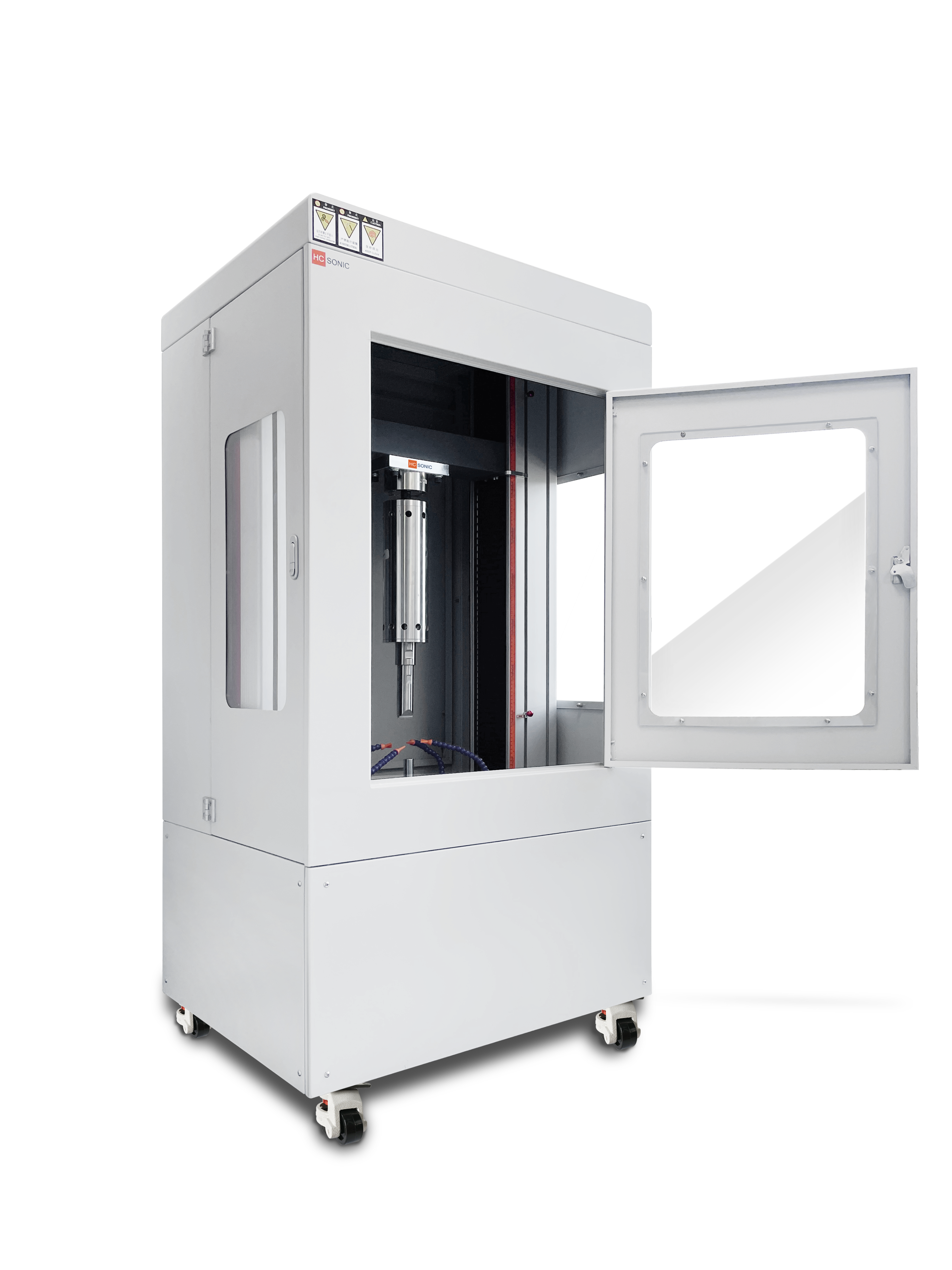
The Science of Fatigue Testing in Automotive Engineering
The role of fatigue testing in automotive safety and reliability
Testing for fatigue remains one of those important steps in checking whether car parts can handle repeated loads without breaking down over time. When manufacturers run these tests, they basically recreate what happens on actual roads day after day, collecting valuable information about when cracks might start forming and how long parts will last before failing completely. Finding out where materials tend to give way under constant pressure helps automotive engineers build safer vehicles. After all, nobody wants their brakes or suspension system to fail suddenly while driving at high speeds. The whole point is not just passenger protection but also making sure cars stay on the road longer between major repairs.
High-cycle vs. low-cycle fatigue: Understanding HCF and LCF for component design
The automotive industry deals with two main types of component failure when it comes to materials under repeated stress: high cycle fatigue (HCF) and low cycle fatigue (LCF). HCF happens when stress stays below what the material can normally handle without permanent damage, and failures tend to show up after around 10,000 cycles or more. This is why things like crankshafts and drive axles need special attention since they last so long in operation. On the flip side, LCF deals with much higher stress levels that actually bend or deform the material, causing breakdowns usually before reaching 10,000 cycles. We see this kind of failure in parts such as engine mounts and suspension components that regularly endure harsh conditions. Understanding these differences helps mechanical designers pick the right materials for different applications and make sure vehicles can withstand whatever road conditions throw at them over time.
Very high cycle fatigue (VHCF): Why data beyond 10^7 cycles matters for durability
Very high cycle fatigue (VHCF) refers to those failures that happen after way more than 10 million cycles of stress on parts. This matters a lot for today's cars and trucks built to last much longer than before. Take transmission gears or wheel bearings for instance these parts keep getting stressed out cycle after cycle until they reach what engineers call the VHCF range. Most standard tests stop checking at around 10 million cycles, but recent studies show certain materials actually break down later on because tiny cracks start forming underneath the surface or from things like corrosion. Understanding how materials behave under these extreme conditions helps manufacturers design better lasting parts. When companies get this right, it means fewer breakdowns, less need for repairs covered under warranty, and ultimately builds customer confidence when shopping between different vehicle brands.
Material failure mechanisms under cyclic loading and predictive modeling
When materials fail from repeated loading, they generally go through three main phases first cracks appear, then those cracks grow larger, and finally complete fracture occurs. Modern modeling methods are getting better at predicting these processes as technology advances. The best models take into account factors like how much stress is applied repeatedly, what the average stress level remains during operation, and details about the material's internal structure when calculating how long something will last before breaking down. Engineers now use tools such as finite element analysis along with various machine learning approaches to simulate complicated load situations. These simulations can spot weak spots where failures might happen even before anyone builds actual test parts. While there are still limitations, this kind of prediction definitely speeds things up for product development teams, saves money on expensive testing cycles, and gives manufacturers more assurance that their components meet current safety requirements set by different industries across sectors like aerospace or automotive manufacturing.
Ultrasonic Fatigue Technology: How 20 kHz Resonance Enables Precision Testing
Principles of ultrasonic fatigue testing at 20 kHz resonance frequency
Ultrasonic fatigue testing works by applying mechanical vibrations at around 20 kHz or 20 thousand cycles each second to test materials under repeated stress. The technique takes advantage of natural resonance properties to boost displacement amplitudes, which means we can reach adequate stress levels without needing those big, cumbersome hydraulic systems that take up so much lab space. Traditional approaches typically max out at frequencies below 100 Hz, making them painfully slow for many applications. With ultrasonic methods, engineers get results much faster since the cycles accumulate exponentially quicker. Plus, there's still good control over how intense the stress gets during testing, allowing researchers to simulate what happens in actual service conditions but completes the whole process in days instead of weeks or months.
Core components of the multifunctional ultrasonic fatigue test system
Multifunctional ultrasonic fatigue testing systems bring together various components to work reliably over time. At their heart sits a piezoelectric transducer which takes electricity and turns it into those fast mechanical vibrations we need. These vibrations travel through what's called a horn assembly, and interestingly enough, this part actually makes the movement bigger than it was originally. Digital controllers are there to keep everything in sync with the sample being tested, so the load stays consistent throughout the process. There's also built-in cooling to handle all that heat generated inside when things start vibrating so much. Meanwhile, separate data gathering equipment keeps track of important metrics like how many cycles happen, the size of each vibration, and temperature changes. If something breaks during testing, the whole system shuts down automatically as a safety measure. What makes these systems stand out is their closed loop design that delivers accurate results again and again, plus they require very little hands-on attention even when running long term experiments.
Advantages over traditional servo-hydraulic fatigue systems
Ultrasonic fatigue tech beats out those old school servo-hydraulic systems in a big way when it comes to doing all those high cycle and super high cycle fatigue tests. While those hydraulic setups can take weeks or even months just to hit 10 million cycles, ultrasonic methods knock that out in mere hours. That's roughly 1,000 times faster than what we've been used to. Faster testing means researchers can run bigger samples and get much better stats on how long materials will actually last before failing. Another plus? These ultrasonic systems drink about 90% less power compared to their hydraulic counterparts. No need to worry about changing oil or dealing with leaks either. Plus they run quieter and vibrate way less during operation. And let's not forget the fine grain control over parameters makes these systems perfect for labs where precision matters most.
Accelerated High-Cycle and Very High Cycle Fatigue Testing Applications
Rapid HCF data acquisition using ultrasonic methods for accelerated life testing
Ultrasonic fatigue testing speeds up the creation of high cycle fatigue (HCF) and very high cycle fatigue (VHCF) data because it operates around 20 kHz frequencies. What this means is that tests that used to take months can now be completed within just a few hours. The speed helps gather enough data points to draw conclusions about materials behavior in both HCF ranges (about 10,000 to 10 million cycles) and beyond that into the VHCF territory (more than 10 million cycles). Automotive engineers working against strict deadlines find these ultrasonic techniques particularly valuable. They get quicker feedback on how long parts will last, which makes sense when validating things like transmission components or those structural bits that are essential for vehicle safety.
Data correlation between ultrasonic and conventional HCF results
Various studies have shown a pretty good match between ultrasonic testing results and traditional high cycle fatigue (HCF) methods when we're not dealing with significant frequency effects. Looking specifically at austenitic stainless steels, researchers found that their fatigue characteristics stay pretty much the same even when tested at 20 kHz frequencies in the very high cycle fatigue (VHCF) range. What this means for engineers is they can trust the accelerated data from ultrasonic tests during design phases. Teams get quicker results without sacrificing accuracy, though there's always some room for caution when translating lab findings to actual field conditions. Most importantly, these findings help bridge the gap between rapid testing methods and reliable long term performance assessments.
Addressing the controversy: Validity of extrapolating ultrasonic VHCF data to real-world conditions
There's still some discussion going on about whether ultrasonic VHCF data really matches what happens in actual service conditions with all those variable amplitudes and multi axial stresses. A number of critics point out that high frequency loading might miss some of the more complicated aspects of how these materials actually behave under real stress. But looking at recent research into how different frequencies affect metal, it seems like they don't change the basic fatigue mechanisms much after all. This supports the idea that ultrasonic testing works pretty well as long as we get the specimen design right and stick to good testing protocols. And once everything is properly calibrated, these ultrasonic techniques give us solid information about how materials will hold up over time in real world applications.
Growing demand for VHCF databases in automotive OEM specifications
Car manufacturers these days are asking for VHCF (very high cycle fatigue) testing that goes way past 10 million cycles because customers want their vehicles to last longer and perform better over time. Parts that are vital for safety like crankshafts, connecting rods and those valve train bits need to show they can handle extreme long term stress without failing. Because of this demand, many companies have started using ultrasonic fatigue testing equipment. These systems work pretty fast at creating detailed VHCF data sets. The information helps car makers ensure their products stand up to tough durability standards while also making smarter choices about how components should be designed based on real world performance data.
Thermal-Mechanical Fatigue Evaluation: Elevated Temperature Testing with Induction Heating
Integration of induction heating and precision temperature control up to 900°C
Today's ultrasonic fatigue testing equipment combines induction heating techniques with really tight temperature controls so they can run tests all the way up to around 900 degrees Celsius. What makes this important? Well, these kinds of extreme heat conditions are exactly what we see happening inside engine blocks and exhaust components when vehicles are running hot. The system has some pretty smart feedback mechanisms that keep things stable within just plus or minus 2 degrees Celsius throughout those high frequency cycles. Why does this matter? Because when materials get too hot, their mechanical strength starts dropping off rapidly. That's why modern testing setups now combine fast mechanical stress application with carefully managed heating processes. This approach creates much more accurate simulations of what actually happens when parts experience both heat and force at the same time in real world applications.
Thermal-mechanical coupling effects on crankshaft and piston fatigue behavior
Thermal mechanical fatigue, or TMF for short, happens when parts experience both changing temperatures and physical forces at the same time. This combination creates complex stress patterns that make components fail faster than expected. Take crankshafts for instance they develop hotspots right where there are bends and around oil passages because of temperature differences across the metal. Pistons have their own problems too since the aluminum top expands differently from the steel part inside. Regular testing methods miss these issues completely unless we look specifically at how temperature shifts interact with mechanical stresses during sudden heat changes. Understanding these effects lets engineers predict how long parts will last before they break down, which is critical for preventing expensive breakdowns in modern engines that run hotter and smaller than ever before.
Balancing test speed and thermal stability in high-frequency fatigue environments
Keeping things cool while running those fast 20 kHz tests remains a big headache for engineers. When we cycle through tests so quickly, the materials actually start to heat up inside because of all that energy loss during movement. This can make samples seem softer than they really are or change their properties completely. That's why modern equipment comes with built-in chillers and fancy software that adjusts for temperature changes as they happen. At the same time, getting even heat distribution from induction systems without messing up the resonance frequencies is another tricky part of the equation. Materials that don't conduct heat well become problematic real quick since they just soak up all that warmth. Good temperature control makes sure our rapid testing still gives results that match what happens when products are actually used out there in the field.
Real-World Application: Fatigue Testing of Pistons and Crankshafts
Fatigue evaluation of aluminum alloy pistons under dynamic loading conditions
Aluminum alloy pistons face brutal operating conditions inside combustion engines, dealing with sudden pressure spikes and temperature swings that can hit over 400 degrees Celsius. All these forces generate complicated stress patterns across multiple axes, which means engineers have to do serious fatigue analysis work. That's where ultrasonic fatigue testing comes in handy. By subjecting samples to rapid load cycles at high frequencies, technicians can basically fast forward through decades of engine operation in just a few days time. Real world engine builders then look at these test results to spot weak spots like ring grooves or pin bosses, and tweak things such as piston shape, surface treatments, or coating materials to make them last longer when put into actual service on the road or track.
Crankshaft fatigue testing with variable amplitude and multi-axial loading simulations
During normal operation, crankshafts deal with complex loading situations where they face torsion, bending stresses, plus axial forces all at once when running between 3000 to 6000 RPM. Modern fatigue testing equipment has been developed specifically to recreate these real world conditions with varying amplitudes across multiple axes, something that gets pretty close to how actual engines behave. The tests themselves involve applying loads similar to what happens during those annoying start stop cycles we see so much nowadays, not to mention gear changes and sudden torque spikes from acceleration. When companies put their crankshafts through these realistic stress scenarios, they can check if their new designs or materials will hold up over time. This becomes especially important for engines under heavy duty conditions like turbocharged models or ones with higher compression ratios that push components to their limits.
FAQ
What is the purpose of fatigue testing in automotive engineering?
Fatigue testing is crucial in automotive engineering to assess whether car parts can endure repeated loads without failure over time. It helps identify when and where parts might begin to crack or fail, ensuring vehicle safety and reliability.
What are HCF and LCF in fatigue testing?
HCF stands for high cycle fatigue, which occurs under lower stress levels but over more cycles (usually more than 10,000). LCF, or low cycle fatigue, happens under higher stress and fewer cycles. Understanding these types helps in choosing the right materials for different automotive components.
How does ultrasonic fatigue testing differ from traditional methods?
Ultrasonic fatigue testing uses high-frequency vibrations to induce stress cycles much faster than traditional methods. It is significantly quicker, more energy-efficient, and provides results in hours rather than weeks or months.
Why is VHCF data important?
Very high cycle fatigue (VHCF) data, which goes beyond 10 million cycles, is important as it provides insights into the long-term durability of components, crucial for modern cars built to last longer and endure harsher conditions.
What role does thermal-mechanical fatigue testing play?
Thermal-mechanical fatigue testing examines how parts behave under simultaneous temperature variations and mechanical stress, critical for accurately predicting the fatigue life of engine components that face these conditions.
Table of Contents
-
The Science of Fatigue Testing in Automotive Engineering
- The role of fatigue testing in automotive safety and reliability
- High-cycle vs. low-cycle fatigue: Understanding HCF and LCF for component design
- Very high cycle fatigue (VHCF): Why data beyond 10^7 cycles matters for durability
- Material failure mechanisms under cyclic loading and predictive modeling
- Ultrasonic Fatigue Technology: How 20 kHz Resonance Enables Precision Testing
-
Accelerated High-Cycle and Very High Cycle Fatigue Testing Applications
- Rapid HCF data acquisition using ultrasonic methods for accelerated life testing
- Data correlation between ultrasonic and conventional HCF results
- Addressing the controversy: Validity of extrapolating ultrasonic VHCF data to real-world conditions
- Growing demand for VHCF databases in automotive OEM specifications
- Thermal-Mechanical Fatigue Evaluation: Elevated Temperature Testing with Induction Heating
- Real-World Application: Fatigue Testing of Pistons and Crankshafts
- FAQ