
 EN
EN
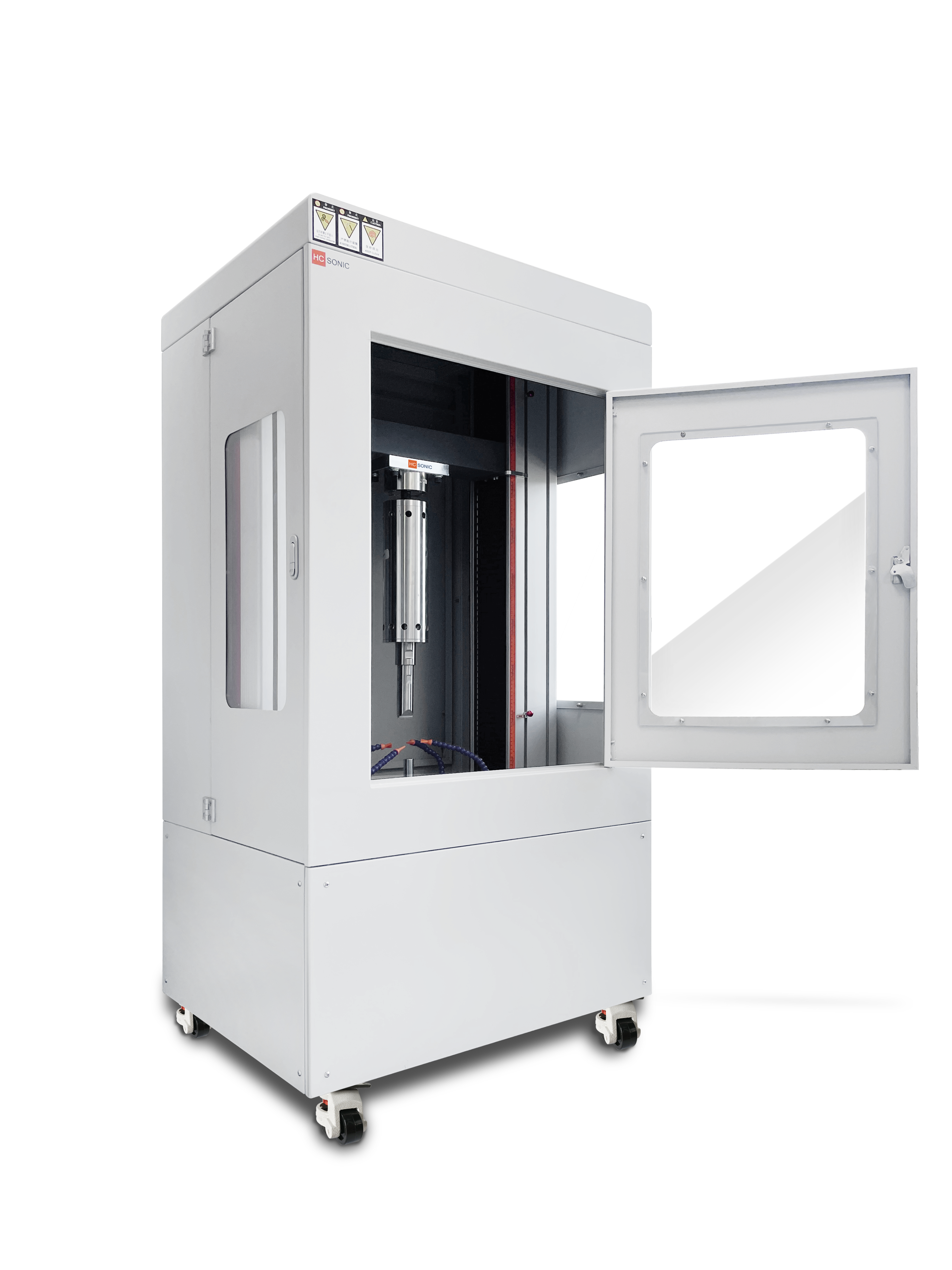
Understanding Ultrasonic Fatigue Testing: Principles and Advantages
From Conventional to Ultrasonic: The Evolution of Fatigue Testing Methods
Most traditional ways of testing for material fatigue work at frequencies under 200 Hz and can take anywhere from weeks to months just to get enough data on high cycle fatigue. Switching over to ultrasonic testing has changed things quite a bit though. These new systems run at around 20 kHz using resonance principles and speed up the whole process by roughly 100 times compared to older techniques. What used to take months to complete for about 100 million cycles now gets done within just a few hours when using ultrasonics. And this isn't just faster testing either. It actually opens up access to what we call the very high cycle fatigue range beyond 1 billion cycles something that was basically impossible before because nobody had the time to wait for those results.
How 20 kHz Ultrasonic Loading Enables Gigacycle and VHCF Analysis
Operating at around 20,000 cycles per second, ultrasonic loading employs piezoelectric actuators that create those high frequency vibrations which then travel through what's called a tuned horn into the actual test specimen. What makes this setup work so well is that it keeps the movement pretty consistent while still reaching similar stress levels as traditional methods do. The whole thing runs on resonance principles too, which means less wasted energy and much steadier repeated loading cycles. This efficiency opens up possibilities for studying how materials degrade over billions of cycles in a fraction of the time normally required. Instead of waiting months for results, engineers can now look at these long term effects within just a few hours, something especially valuable when dealing with components where failure could mean serious consequences in things like aerospace or medical devices.
Core Benefits: Speed, Precision, and Extended Fatigue Life Evaluation
Ultrasonic fatigue testing brings several major benefits to the table speed, accuracy, and the ability to assess materials over much longer periods. The process goes way faster than hydraulic systems too around 100 to 200 times quicker actually which means completing those massive 1 billion cycle tests in just about 14 hours. When it comes down to specifics, these systems maintain frequency stability within plus or minus 0.1 Hz while keeping temperatures controlled within 1 degree Celsius. This kind of consistency matters a lot for both research work and making sure products meet quality standards. What really sets ultrasonic testing apart though is how it lets engineers look deep into what happens during very high cycle fatigue. Traditional methods miss out on seeing cracks start forming below the surface after millions of cycles something absolutely vital when designing parts for airplanes, medical devices, or anything else meant to last decades. Recent research from MIT and NASA labs shows this extended testing reveals hidden damage patterns that would otherwise go unnoticed until catastrophic failures occur.
High-Frequency Effects on Material Behavior and Fatigue Testing Mechanisms
Impact of 20,000+ Cycles per Second on Fatigue Properties
When using a loading frequency of around 20 kHz, we see a significant drop in how long materials are exposed to repeated stress cycles. This shortens the time available for things like creep deformation and reactions with the surrounding environment to happen. Some studies on specific types of steel have found that this high frequency testing actually boosts what looks like fatigue strength by about 10 to maybe even 15 percent compared to those slower tests. The International Journal of Fatigue published similar findings back in 2014 if anyone wants to check the details. What happens at such fast cycling rates is pretty interesting too. The way tiny defects move within the material gets disrupted, and oxidation on surfaces tends to slow down quite a bit. This leads to cracks forming differently than they would under normal circumstances. But here's the catch: not all materials react the same way to these frequency changes. For some alloys, there isn't much difference at all, while others show clear shifts in how they respond to fatigue over time. That makes interpreting results from ultrasonic testing tricky business when trying to apply them directly to actual equipment operating conditions in the field.
Debating the Controversy: Does High Frequency Alter Crack Initiation and Propagation?
The big question hanging over ultrasonic testing is whether it just speeds up existing fatigue problems or actually creates new ways materials fail. Some engineers argue that when we apply those high frequency loads, the material still behaves basically the same way it would under normal conditions. But there's growing evidence from a study published in Theoretical and Applied Fracture Mechanics back in 2017 that tells another story. Looking at very high cycle fatigue situations, researchers noticed something strange happening deep inside the material rather than at the surface where most failures start in regular tests. These cracks tend to form around tiny structural weaknesses like impurities or boundary lines between grains. Now scientists are scratching their heads wondering if these findings point to real changes in how materials break down, or if they're just side effects caused by heat buildup, different stress rates, or focused sound energy. Labs across the country are now running experiments trying to separate out factors like localized temperature increases and the plastic deformation caused by constant vibrations. The results will ultimately determine how reliable our predictions about component lifespans really are when using ultrasonic methods.
Fatigue Performance in Very High Cycle Regimes: From Theory to Real-World Applications
Beyond Endurance Limits: Subsurface Crack Initiation in VHCF
Traditional fatigue theory talks about something called an endurance limit, basically a stress level where materials shouldn't break down no matter how many times they're loaded. But recent ultrasonic tests show otherwise. Failures actually happen even after around ten million cycles, which throws a wrench into what we thought we knew. When looking at very high cycle fatigue situations, cracks tend to start forming underneath the surface material. This happens because of stress buildup around things like non-metallic particles, tiny chemical deposits, or variations in the material's structure itself. What's interesting is that these hidden cracks usually come with what engineers call a fine granular area (FGA). This special pattern forms as the crack grows over those incredibly long periods of repeated loading. Because of this discovery, engineers need to rethink how they design parts meant to last through billions of load cycles. Think about airplane engines or hip implants, where failure isn't an option despite all that constant movement and pressure.
Case Study: Gigacycle Fatigue Response of Nickel-Based Superalloys and Titanium Alloys
Aerospace engineering relies heavily on nickel based superalloys and titanium alloys because they offer excellent strength while remaining lightweight and stable under extreme heat conditions. When we look at Ti-6Al-4V through ultrasonic fatigue tests, something interesting happens. This particular alloy shows real sensitivity to changes in stress ratio and variations in its microstructure when tested in the very high cycle fatigue (VHCF) range. What's fascinating is how failures tend to start below the surface rather than on the exterior when stress levels drop. For those working with nickel based superalloys, cracks usually begin forming around carbide particles or along what engineers call twin boundaries. These tiny flaws can grow until they eventually cause failure way past what traditional endurance limits would predict. Understanding these failure mechanisms helps manufacturers create better models for predicting component lifespans and develop improved ways to process materials. Plus, faster testing methods generate much larger datasets that make sense of statistical patterns, which is absolutely crucial for certifying parts that need to withstand years of constant vibration and loading in aircraft engines and other critical systems.
High-Temperature Ultrasonic Testing Up to 1,200°C for Extreme Environment Materials
Challenges in Maintaining Accuracy Under Thermal Stress
When testing materials at temperatures reaching 1,200 degrees Celsius, engineers face major challenges that go beyond standard procedures. The problem starts with thermal expansion differences between components, which can throw off alignment of the resonant system. This misalignment disrupts how waves travel through the material and makes accurate load measurements difficult. High heat also creates issues for regular strain gauges and displacement sensors. At these temperatures, both the test sample and its mounting hardware change their elastic characteristics, sometimes shifting the resonant frequency entirely. Keeping a consistent 20 kHz signal stable becomes a real challenge requiring constant watchfulness and adjustments. For industries developing parts for jet engines or spacecraft that must withstand intense heat, getting reliable data from these tests is absolutely essential to ensure safety and performance.
Solutions for Stable High-Frequency Loading in Harsh Conditions
Ultrasonic systems tackle these issues with built-in cooling mechanisms, instant frequency adjustments, and specially designed refractory horns crafted from materials like molybdenum or tungsten alloys. Instead of traditional contact sensors, modern equipment relies on optical methods such as laser Doppler vibrometry for measuring strain accurately while avoiding problems caused by heat emissions. Today's testing devices can maintain steady 20 kHz operation even at temperatures reaching 1,200 degrees Celsius, which means engineers can run billions of cycles worth of fatigue tests within just a few hours instead of waiting months. This advancement gives researchers much better understanding of how nickel superalloys and ceramic matrix composites behave when subjected to conditions similar to those found inside real engines during operation.
Critical Applications in Aerospace and Defense: Validating Mission-Critical Components
Role of Ultrasonic Fatigue Data in Jet Engine and Structural Component Reliability
Ultrasonic fatigue testing is essential for making sure jet engine parts like turbine blades, compressor disks, and various airframe components can handle constant repetitive stress without failing. These tests mimic the kind of extreme conditions materials face over billions of cycles in actual service, which helps engineers make better designs, plan when maintenance should happen, and figure out how long parts might last before needing replacement. When looking at materials such as nickel-based superalloys and titanium used in critical engine sections, the data from these tests lets technicians adjust safety factors and spot where cracks might start forming first. This information literally saves lives by keeping planes safer in the air and cutting down on unexpected repairs that ground aircraft. What makes ultrasonic methods so valuable is their speed advantage compared to traditional testing approaches, allowing manufacturers to test new materials faster during研发 (R&D) stages and get them certified quicker for commercial use.
Advancing Defense-Grade Testing: Contribution of Hangzhou Hangchao Technology Co., Ltd.
Hangzhou Hangchao Technology has created special ultrasonic fatigue testing systems that work at temperatures as high as 1200 degrees Celsius. These systems are built to handle what the defense and aerospace industries need when they push materials to their limits. The company's tech lets engineers test how different materials hold up when exposed to both intense heat and physical stress at the same time. This helps create better parts for things like airplane engines, military tanks, and ships. What makes these systems so valuable is their ability to check if structures will stay strong even in real combat situations. Military equipment needs to last through tough conditions without failing, and these tests help make sure that happens over the long run.
FAQ
What is ultrasonic fatigue testing?
Ultrasonic fatigue testing is a method used to assess how materials degrade under repeated stress cycles at high frequencies, typically around 20 kHz. This technique significantly speeds up the process of identifying fatigue life by using resonance principles.
How does ultrasonic fatigue testing differ from conventional methods?
Conventional fatigue testing operates at frequencies below 200 Hz and can take weeks or months to gather data, while ultrasonic testing runs at approximately 20 kHz, completing tests dramatically faster, often within hours, and providing access to very high cycle fatigue (VHCF) ranges.
Why is ultrasonic fatigue testing beneficial?
Key benefits include faster testing times, enhanced precision, and the ability to evaluate materials over much greater cycles, aiding the design of components for critical applications in aerospace, medical devices, and more.
Can ultrasonic fatigue testing results be used for all materials?
Results can vary depending on the material. Certain materials may exhibit different behavior under high-frequency loads, making it crucial to analyze each material's response to ultrasonic testing carefully.
What are some applications of ultrasonic fatigue testing?
This testing method is vital in aerospace and defense for ensuring the reliability of parts like jet engine components and structural elements. It helps predict how materials will behave under real-world conditions.
Table of Contents
- Understanding Ultrasonic Fatigue Testing: Principles and Advantages
- High-Frequency Effects on Material Behavior and Fatigue Testing Mechanisms
- Fatigue Performance in Very High Cycle Regimes: From Theory to Real-World Applications
- High-Temperature Ultrasonic Testing Up to 1,200°C for Extreme Environment Materials
- Critical Applications in Aerospace and Defense: Validating Mission-Critical Components
- FAQ