
 EN
EN
Principles and Advantages of Ultrasonic Fatigue Testing in Metallic Materials
How ultrasonic fatigue testing (USFT) works: Resonance frequency and cyclic loading mechanisms
Ultrasonic fatigue testing, or USFT for short, puts metal samples through repeated stress at frequencies around 15 to 25 kilohertz. The process relies on something called a piezoelectric transducer, which basically turns electricity into physical movement. When activated, these devices create those special wave patterns inside carefully made test pieces. What makes this method so effective is when everything hits just right frequency wise. That's when the sample starts moving back and forth really far but doesn't take much power at all. Because of this efficiency, researchers can run millions upon millions of stress tests in just hours instead of waiting weeks or even months like traditional approaches require. Plus they get better control over exactly how much stress gets applied and what happens temperature wise during testing.
Role of resonance in high-frequency fatigue testing for accurate material evaluation
Resonance plays a key role in making USFT both accurate and efficient. When tests run at the material's natural frequency, stress spreads evenly across the measurement area instead of bunching up near the grips where traditional setups often fail. This resonant condition lets engineers track tiny changes in frequency as they happen during testing. These frequency variations tell a lot about when cracks start forming and how the material loses its stiffness over time. Lab results indicate this method can spot cracks down to around 50 micrometers in size, which is pretty impressive for detection capabilities. Plus, maintaining resonance helps keep stress levels consistent throughout testing cycles, usually around an R value of -1. This stability makes tests repeatable from one lab to another, something manufacturers really need for quality control purposes.
Ultrasonic vs. traditional fatigue testing: Time efficiency, accuracy, and cycle range
The advantages of ultrasonic fatigue testing are best understood through direct comparison with conventional servohydraulic methods:
| Testing Aspect | Ultrasonic Fatigue Testing | Traditional Servohydraulic Testing |
|---|---|---|
| Frequency Range | 15—25 kHz | 5—200 Hz |
| Cycles per Day | ~2ÃÂ10¹ | ~1ÃÂ10· |
| Test Duration for 10¹ Cycles | ~12 hours | ~115 days |
| Energy Consumption | Low (resonance-based) | High (continuous loading) |
| Specimen Size | Small (resonance-optimized) | Larger (grip-dominated) |
Ultrasonic testing works really well when looking at those super high cycle fatigue situations above around 10 million cycles. Regular testing just takes too long and isn't practical anymore at these levels. The accelerated approach helps find out where materials actually reach their fatigue limit and what happens at those thresholds without needing endless hours in the lab. Measuring displacement without touching the sample cuts down on measurement errors, but getting the equipment properly calibrated is still absolutely critical for good results. Some folks worry about high frequency tests affecting material behavior because of strain rates, but most research shows this isn't much of an issue for common metals we work with at normal temperatures.
Accessing the Very High Cycle Fatigue (VHCF) Regime Using Ultrasonic Fatigue Testing Systems
Defining the very high cycle fatigue (VHCF) regime and its significance in engineering reliability
Very high cycle fatigue (VHCF) describes when materials finally break down after going through over ten million loading cycles. This matters a lot for parts meant to last many years in service. We see this issue most clearly in things like airplane engines, car transmissions, and wind turbine blades where something breaking after twenty or thirty years just won't cut it. Regular old fatigue testing methods don't really work here because they weren't built for such extreme conditions. That's why looking at VHCF specifically becomes so important if we want to know how long these expensive components will actually last before failing. Getting this right isn't just about saving money on replacements but also about keeping people safe in applications where failure could have serious consequences.
Limitations of conventional methods in VHCF assessment and how USFT overcomes them
Standard servo-hydraulic systems run between 20 to 60 Hz and can take anywhere from several months right up to years just to complete 1 billion cycles, which makes gathering proper VHCF data almost impossible in practice. The solution comes in the form of ultrasonic fatigue testing that taps into resonance around 20 kHz instead. This approach cuts down on testing time dramatically, going from what used to be measured in years down to under 24 hours. With such fast results, scientists are now able to collect meaningful statistical samples and discover failure patterns that were simply out of reach before. These findings have really pushed forward our knowledge about how materials behave over extremely long periods of use.
Case study: Internal crack initiation in titanium alloys under ultrasonic fatigue conditions
During ultrasonic fatigue testing, titanium alloys such as Ti-6Al-4V tend to develop cracks inside at those subsurface alpha/beta phase boundaries instead of showing them right on the surface. Research from 2016 in the International Journal of Fatigue points out why this happens - basically because tiny structural flaws within the material become the main spots where cracks start forming under very high cycle fatigue conditions. This is quite different from regular fatigue behavior where problems usually begin at surface imperfections. When we look at what happens during ultrasonic loading, it becomes clear that what's going on inside the metal matters just as much, if not more, than what appears on the outside. These findings really shake up some long held beliefs about how these materials fail, and they make it pretty obvious that current inspection methods might not be cutting it anymore.
Data trends: Fatigue failure beyond 10^7 cycles in steels revealed by USFT
Tests using ultrasonic fatigue have shown something interesting about high strength steels. They keep breaking down even after reaching around ten million cycles, and we've seen strength drop by roughly 10 to 15 percent when pushing them all the way to a billion cycles. Research published in several reputable journals backs this up, suggesting most contemporary steels actually don't have what engineers call a real fatigue limit. Given these results, longer term testing methods such as ultrasonic fatigue testing (USFT) have become essential tools for predicting how long materials will last before failing, especially in components where failure could cause serious problems. Many manufacturers are adjusting their protocols accordingly now.
Fatigue Crack Initiation Mechanisms: Surface vs. Internal Cracks in Metals
Surface versus subsurface fatigue crack initiation in metallic materials under high-frequency loading
When materials undergo ultrasonic fatigue testing, metal cracks start forming deeper inside instead of on the surface once they hit around ten million cycles. Most surface cracks begin where there are irregular shapes or at the edges between different crystal structures because these areas deform more easily under stress. On the flip side, cracks that form inside tend to pop up near tiny flaws within the material itself like foreign particles, air pockets, or spots where different phases meet just below what we can see. Studies indicate this shift happens especially with tough steels and titanium alloys in what engineers call the very high cycle fatigue range. The reason? Lower stress differences across the material combined with extended exposure to repeated forces changes how we traditionally think about why things break down over time.
Impact of microstructural defects on internal crack formation during ultrasonic fatigue testing
Those tiny flaws in metal structures, especially those non-metallic bits we call inclusions (think oxides and sulfides), are actually what kickstart cracks when materials face constant high-frequency loads. How big these inclusions are, where they sit within the material, and how well they match up mechanically with surrounding metal all play roles in creating stress points that shorten how long something can handle repeated forces before failing. Research shows pretty clearly that anything bigger than about 20 micrometers really takes a bite out of what's known as very high cycle fatigue strength. Take for instance findings from last year's Pipeline Steel Study which pointed out how plastic deformation happening right next to these defects speeds up crack formation. This makes it absolutely critical to get materials as clean and uniform as possible when making parts that need to perform reliably over time.
Critical debate: Are internal cracks more detrimental than surface cracks in VHCF?
Surface cracks and internal cracks are both problematic, but internal ones create special problems in very high cycle fatigue situations. These cracks start forming beneath the surface so regular inspections can miss them completely until they've grown quite a bit. When this happens, parts might fail suddenly without any prior indication. Surface cracks tend to spread quicker because they interact with their surroundings, but internal cracks just keep developing silently. That makes them especially dangerous in materials designed for strength, like aircraft parts or heavy machinery components. The industry is starting to realize this issue more and more, which explains why there's such a push for better ways to spot hidden damage before it becomes a problem during normal operation.
Design, Standardization, and Reliability of Ultrasonic Fatigue Test Specimens
Key Design Considerations for Ultrasonic Fatigue Test Specimens
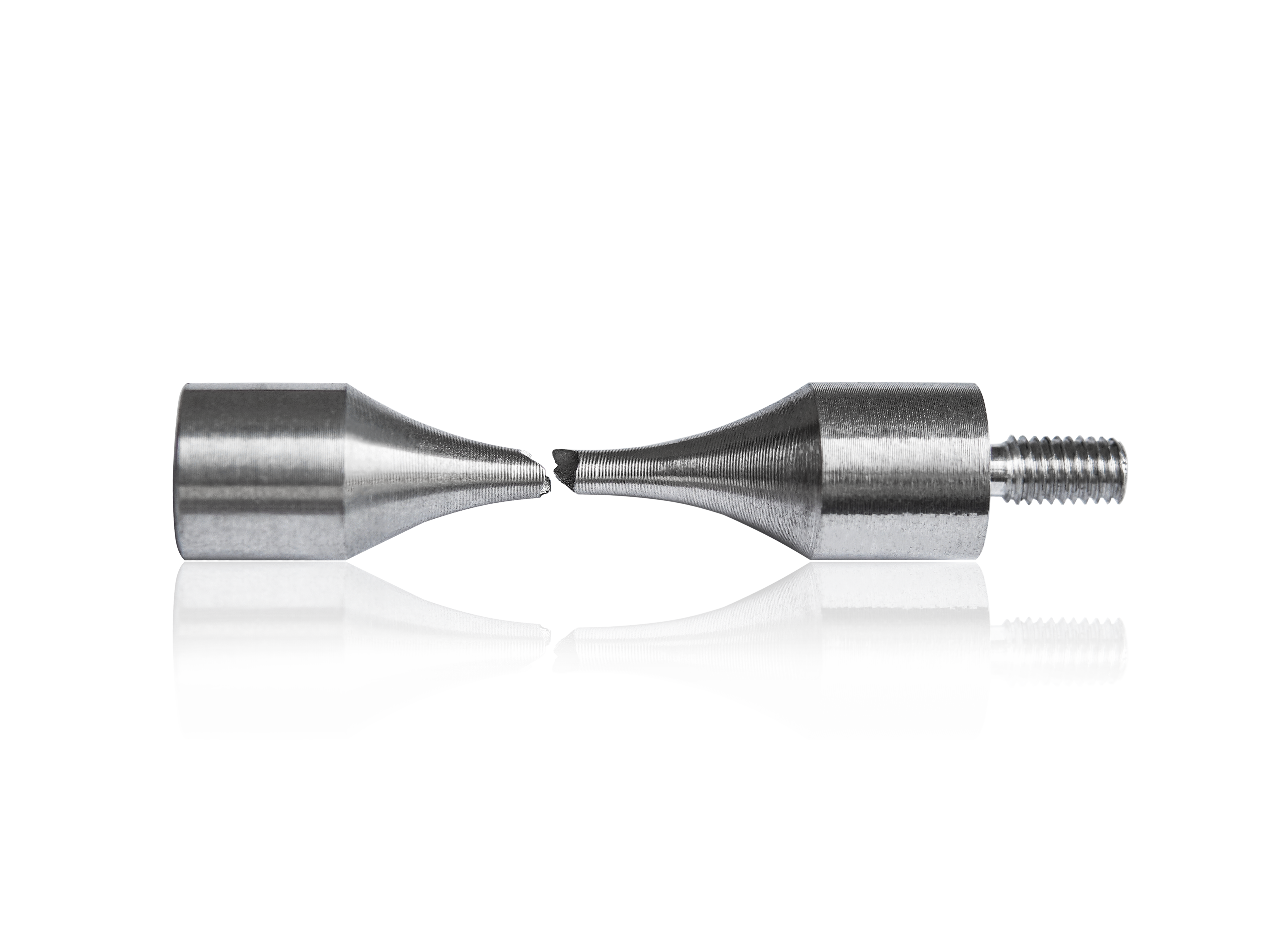
For ultrasonic fatigue testing to work properly, the test samples need to be carefully adjusted so they vibrate between about 15 to 25 kHz. Most labs go with an hourglass shape for these tests because it helps focus the stress right where we want to measure it, and also reduces problems from the ends of the specimen. Getting everything just right matters a lot here. We have to maintain tight control over dimensions, ensure consistent materials throughout, and achieve excellent surface quality. Small mistakes really matter in this context. A tiny flaw in geometry can mess up how the vibrations behave, which makes our results unreliable. Good specimen design lets us get trustworthy readings on how materials hold up under repeated stress, including those super slow cracks that form over time. This information is critical when predicting how well materials will perform in real world applications over many years.
Geometric Constraints and Stress Concentration Factors in Specimen Fabrication
The shape of test specimens needs to find a good middle ground between reducing stress concentrations and maintaining stable resonance. The radius where grips meet the actual testing area is something engineers need to get just right so they don't create unexpected stress points. Even small dimensional differences that fall within normal manufacturing tolerances can mess with resonance frequencies or create unwanted vibration patterns that ruin test results. There aren't really any standard guidelines for how USFT specimens should be designed, which means labs have to be extra careful about keeping their manufacturing processes consistent. When working with thin materials like plates or wires, many researchers actually prefer rectangular bars instead of round ones because they clamp better and produce fewer problems at the edges. Getting the geometry right matters a lot since it helps make sure failures happen exactly where they're supposed to, giving reliable information when qualifying different materials.
Applications and Industrial Impact of Multifunctional Ultrasonic Fatigue Test Systems
Ultrasonic fatigue testing in aerospace and automotive industries for high-reliability component validation
Ultrasonic fatigue testing is now essential for both aerospace and automotive industries because when parts fail, it can mean serious safety issues and performance problems down the road. What makes this method so valuable is its capacity to run millions of stress tests on materials in just a few hours instead of taking months as older techniques did. This lets engineers quickly check out things like turbine blades, airplane landing gear, and various engine parts. According to what many manufacturers report, ultrasonic testing cuts down testing periods by around 95% compared to standard approaches, and the results usually match traditional test outcomes within about 2%. Such improvements speed up how products get developed and allow companies to keep up with strict safety standards required for aircraft engines and other critical mechanical systems without compromising quality.
Advancing multifunctional USFT systems for industrial fatigue testing
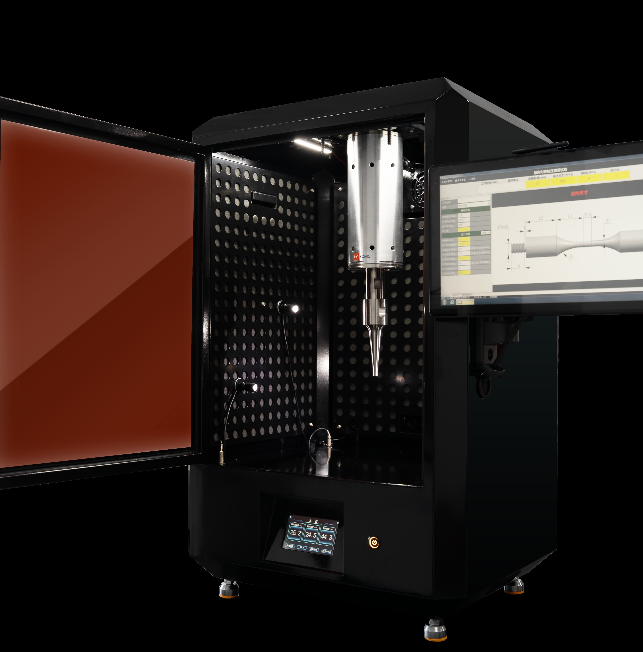
Today's USFT platforms come packed with several key features including operation at extremely high temperatures (as much as 1200 degrees Celsius), control over average stress levels, plus continuous monitoring throughout testing. These improvements are specifically designed to handle the harsh conditions inside jet engines and powerful automotive transmissions. The systems now include sensors that spot cracks as they happen along with software that automatically analyzes all the collected data, making Virtual High Cycle Fatigue tests much more accurate and dependable. Because of these advances, many manufacturers rely on modern USFT equipment when developing new materials that need to last under intense stress situations. Aerospace companies, automotive makers, and other heavy industry players find these systems indispensable for verifying material strength before deployment in real world applications where failure isn't an option.
Frequently Asked Questions (FAQ)
What is ultrasonic fatigue testing?
Ultrasonic fatigue testing (USFT) is a method used to evaluate the durability and endurance of metallic materials by applying high-frequency cyclic loads to test specimens.
How does ultrasonic fatigue testing differ from traditional methods?
USFT operates at much higher frequencies (15-25 kHz) compared to traditional servohydraulic testing (5-200 Hz), allowing for millions of cycles in just hours.
Why is resonance important in ultrasonic fatigue testing?
Resonance ensures that stress is evenly distributed across the testing area, enhancing accuracy and efficiency in evaluating material behavior.
What industries benefit most from ultrasonic fatigue testing?
The aerospace and automotive industries heavily rely on USFT to validate high-reliability components, ensuring safety and performance.
Are internal cracks more detrimental than surface cracks in VHCF?
Yes, internal cracks are often more dangerous as they are not easily detectable, leading to potential sudden failures in high-stress applications.
Table of Contents
- Principles and Advantages of Ultrasonic Fatigue Testing in Metallic Materials
-
Accessing the Very High Cycle Fatigue (VHCF) Regime Using Ultrasonic Fatigue Testing Systems
- Defining the very high cycle fatigue (VHCF) regime and its significance in engineering reliability
- Limitations of conventional methods in VHCF assessment and how USFT overcomes them
- Case study: Internal crack initiation in titanium alloys under ultrasonic fatigue conditions
- Data trends: Fatigue failure beyond 10^7 cycles in steels revealed by USFT
- Fatigue Crack Initiation Mechanisms: Surface vs. Internal Cracks in Metals
- Design, Standardization, and Reliability of Ultrasonic Fatigue Test Specimens
- Applications and Industrial Impact of Multifunctional Ultrasonic Fatigue Test Systems
- Frequently Asked Questions (FAQ)