
 EN
EN
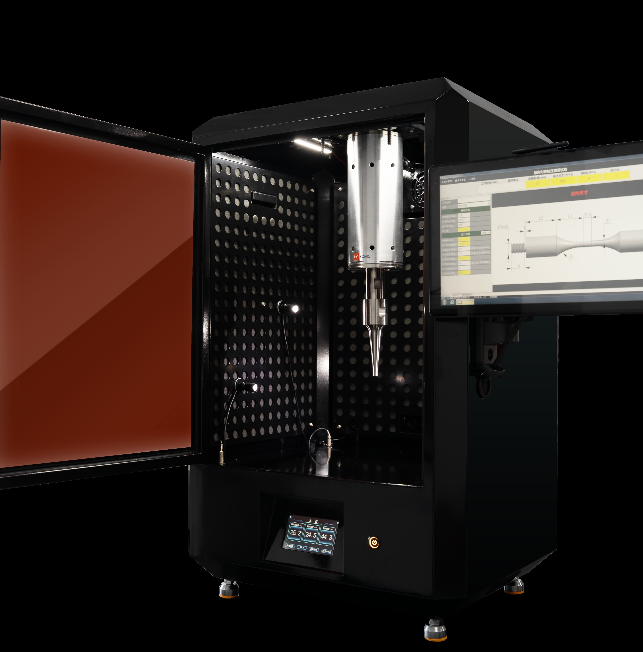
Understanding Ultrasonic Fatigue Testing and Its Role in Modern Research
The Evolution of Fatigue Testing into the Very High Cycle Fatigue (VHCF) Regime
Old school fatigue testing could only handle about ten million cycles because of how long it took. Trying to reach ten billion cycles at one hertz would mean waiting something like 320 years. This created blind spots when looking at what happens in materials under very high cycle fatigue conditions, even when stresses are pretty low. Ultrasonic testing changed everything by using those special resonance frequencies between 15 and 25 kilohertz. Suddenly tests that used to take centuries could be done in just a few days. With this new approach, researchers started studying how tiny cracks form inside materials and how structures degrade after hundreds of millions of cycles. This has really expanded our knowledge about how materials hold up over extremely long periods.
How Ultrasonic Fatigue Testing Enables Evaluation Up to 10 Billion Cycles
Ultrasonic fatigue testing operates around 20 kHz frequencies and relies on vibrating materials at their natural resonance points to speed up the testing process dramatically. What normally takes hundreds of years happens in just a few days instead. According to research published last year, these tests can cut down on time requirements by something like 20 thousand times when compared with traditional methods. The technique sends controlled stress waves through specially made samples, keeping the vibration strength steady throughout while watching for any shifts in resonance that indicate damage is building up over time. What makes this method so valuable is that it lets engineers test materials for up to ten billion cycles and actually see changes happening in real time within the material itself. This includes tracking things like internal friction levels and how stiff the material becomes under repeated stress, giving insights into failure processes that were simply impossible to observe before.
Applications in Aerospace: Case Study on 20 kHz Cyclic Loading
Ultrasonic fatigue testing plays a vital role in evaluating materials like turbine blades and other key parts in aerospace engineering. A company recently tested nickel-based superalloys using 20 kHz cyclic loading and found something surprising about how these materials degrade between around 100 million to 10 billion cycles when put through realistic operating conditions. What made their system stand out was its capability to keep track of both heat and mechanical stress during these high-speed tests, which uncovered tiny crack starting points that regular inspection methods just can't spot. The knowledge gained from this approach resulted in better designs that boosted safety levels by nearly a third while slashing development periods almost in half. This shows just how much ultrasonic testing can change things for the better when it comes to making aircraft components both safer and more efficient over time.
Core Advantages of the Multifunctional Ultrasonic Fatigue Test System

High-Frequency Testing with Precision at 20 kHz
Ultrasonic fatigue test systems work at around 20 kHz resonance, allowing quick evaluation of how materials hold up under both high cycle (HCF) and very high cycle fatigue (VHCF) scenarios. These systems beat traditional servo-hydraulic setups which max out between 20-60 Hz by a long shot. What does that mean practically? Tests that used to take months or even years now finish within hours or days. The speed boost lets labs run through many more samples, giving engineers much better data when they need to understand how materials will perform over time. Studies looking specifically at metals like austenitic stainless steel show that frequency changes don't really impact VHCF results much. This makes sense why so many metallurgists have started adopting ultrasonic testing methods for all sorts of metal applications these days.
Extending Fatigue Life Assessment Beyond Traditional Limits
Ultrasonic systems operating at around 20 kHz push fatigue testing well past what was possible before. Take a standard test requiring 10 to the power of 10 cycles. At regular speeds (about 1 Hz), this would take an unbelievable 320 years to complete. But with ultrasonic resonance techniques, the same test finishes in just six days. This massive time savings lets engineers study how materials hold up under stress for up to 10 billion cycles something most labs couldn't even attempt in the past. Now that researchers have real access to these high cycle fatigue numbers, they're able to pinpoint exactly when materials start failing, spot early signs of cracks forming, and build better prediction models for product lifespans across industries from aerospace to automotive manufacturing.
Simulating Complex Load Conditions Through Multiaxial Fatigue Testing
Ultrasonic systems today can handle multiaxial fatigue tests, which mimic those complicated load situations seen in planes and cars. When we apply different kinds of stress at once - think tension, compression, twisting forces - these setups give us a much better idea of how materials actually behave under all sorts of directional pressures. The software built into these machines lets engineers tweak stress levels and waveform shapes pretty accurately. Plus, keeping an eye on changes in resonance frequency tells us about what's happening inside the material as it heats up or wears down over time. For anyone trying to make stronger, longer lasting components, this kind of testing makes all the difference when dealing with those unpredictable, multi-directional forces that show up in real world applications.
High-Temperature Ultrasonic Fatigue Testing for Extreme Environment Analysis

Material Degradation in High-Temperature and Corrosive Environments
Testing materials at high temperatures using ultrasonic fatigue methods gives important information about how they break down when exposed to harsh environments where both heat and corrosion work together to speed up failures. When materials reach around 1200 degrees Celsius, they start undergoing processes like oxidation, creep, and changes in their internal structure all of which shorten their ability to withstand repeated stress over time. This matters a lot for things like airplane engines and power plant turbines since those parts often run close to their maximum temperature thresholds. By combining mechanical stress at frequencies around 20 kHz with these extreme heat conditions, researchers can spot problems that regular tests would miss. This approach helps pinpoint exactly where failures begin to form and provides better insight into how different kinds of stress factors combine to weaken structures over time. The results from such testing are invaluable for designing safer equipment that lasts longer under tough operating conditions.
Thermal-Mechanical Coupling in Ultrasonic Fatigue Testing
Ultrasonic fatigue testing that combines thermal and mechanical factors creates conditions similar to what happens when temperatures change while parts experience repeated stress cycles, just like in gas turbines or jet engines where heat and pressure constantly fluctuate together. When researchers combine careful temperature management with fast loading cycles, they get much better at recreating actual working conditions for materials. What we find is that changes in temperature actually create different stress points in materials, which then impacts how quickly cracks start to spread through them. Keeping everything resonating properly even when there are huge temperature differences across components allows engineers to gather trustworthy information about how strong materials really are. This kind of testing helps manufacturers design new alloys that can handle these tough combined stresses without failing prematurely.
Case Study: Evaluating Turbine Blade Alloys Using Advanced Testing Systems
To test how nickel based superalloys perform in real world turbine environments, researchers turned to high temperature ultrasonic fatigue testing methods. During these tests, samples faced both mechanical forces at 20 kilohertz frequency while being heated to extreme levels. This combination revealed critical issues like failures along grain boundaries and hidden flaws within the material structure that typically only show up when materials are stressed by heat and repeated loads at the same time. What they discovered gave manufacturers concrete insights about how different microscopic structures and chemical compositions affect overall durability. This knowledge helps companies pick better materials for parts that must function reliably despite intense operating conditions found in power generation equipment.
Insights Into Metallic Material Fatigue Behavior Through Ultrasonic Testing
Internal Crack Initiation Mechanisms in Metals Under VHCF Conditions
When looking at very high cycle fatigue (VHCF), what really matters is how cracks start inside materials instead of just on the surface. Most of the time, these cracks begin deep down where there are tiny flaws in the metal structure like bits of non-metal stuff or those pesky slip bands that keep forming. They don't actually become a problem until around ten million cycles later. The good news is we can now spot these early warning signs thanks to ultrasonic tests running at about 20 kilohertz frequency. Regular testing techniques just aren't fast enough to catch them before they cause damage. Research indicates roughly seven out of ten VHCF failures in strong steel alloys come from this kind of internal cracking, especially noticeable when stresses drop below what we normally consider dangerous levels. Being able to see these microscopic issues so clearly changes everything for engineers trying to stop materials from breaking down over time.
Stress Amplitude vs. Fatigue Life in Metallic Components
The traditional S-N curve relationship between stress levels and how long materials last before failing doesn't hold up when we get into what engineers call the very high cycle fatigue (VHCF) range. Many metals actually show lower resistance to fatigue even after going through over 100 million cycles of stress. Tests done with ultrasonic equipment have shown something interesting too: cutting down just 10% on the stress applied can make these materials last much longer, sometimes hundreds of times longer depending on conditions. This kind of unexpected behavior throws a wrench into our current understanding of material fatigue and creates serious problems for parts that need to function reliably for decades. Think about aircraft engines or hip implants - they all rely on materials performing predictably over extremely long periods. The detailed measurements coming out of these ultrasonic tests are helping researchers build better prediction models that actually match what happens in real world situations where materials face constant repetitive forces day after day.
User-Friendly Interface & Automation Boost Research Efficiency in Ultrasonic Fatigue Testing
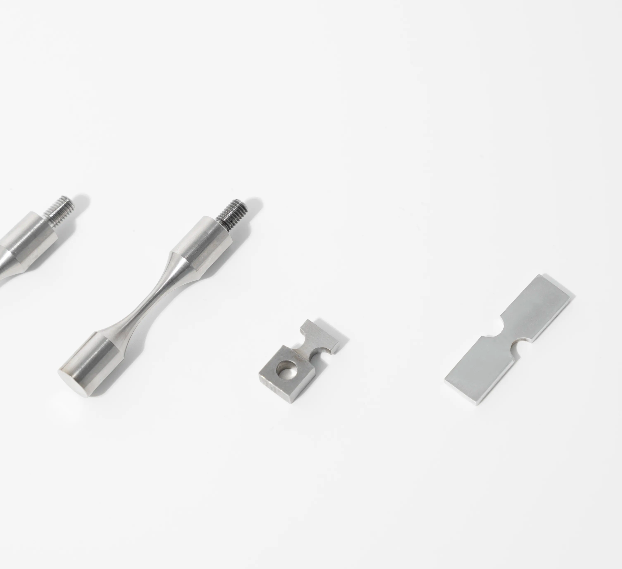
Streamlining Workflows with Integrated Software Controls
Ultrasonic fatigue test systems today come with built-in software that makes getting started much easier than before. Researchers now have options like drag and drop setup, personalized control panels, and automatic recording of test results, which helps them handle complicated testing procedures without so much hassle. These modern interfaces cut down on prep work by around 35 to 40 percent when compared to older equipment, meaning even those new to the field can perform advanced tests after just basic training sessions. Labs see quicker results, process more samples overall, and maintain good quality control throughout their studies. That's why many universities and manufacturing companies are switching to these newer systems when they need reliable data and want to boost their research output consistently.
Reducing Human Error Through Pre-Programmed Fatigue Testing Protocols
When it comes to getting accurate test results, automation really makes all the difference. Most systems now come with built protocols designed specifically for those typical fatigue situations we encounter regularly. These programs handle everything from setting frequencies around 20 kHz mark to defining load patterns and controlling environmental factors, which cuts down on mistakes people might make when entering data manually. Another nice feature is how they check for problems right at the start, so nothing gets messed up during actual testing. According to what various companies have reported over time, switching to these automated methods can cut down on errors by roughly two thirds compared to old fashioned manual approaches. What this means practically is that tests will give consistent readings no matter who runs them or how many times they're repeated. And let's face it, nobody wants unreliable data floating around, especially when human oversight isn't always foolproof.
Frequently Asked Questions
What is ultrasonic fatigue testing?
Ultrasonic fatigue testing is a technique that uses high-frequency vibrations to test materials for fatigue over billions of cycles. It dramatically speeds up the testing process compared to traditional methods.
Why is ultrasonic fatigue testing important in aerospace engineering?
In aerospace engineering, ultrasonic fatigue testing helps evaluate the durability of materials under real-world conditions, improving safety and efficiency of components like turbine blades.
How does ultrasonic testing assess material degradation in high temperatures?
Ultrasonic testing combines high-frequency mechanical stress with extreme temperature conditions to reveal how materials degrade over time, such as changes in structure due to heat and corrosion.
What are the advantages of automation in ultrasonic fatigue testing?
Automation reduces human error, speeds up processes, and ensures consistent data collection, enhancing the efficiency and reliability of fatigue testing.
Table of Contents
- Understanding Ultrasonic Fatigue Testing and Its Role in Modern Research
- Core Advantages of the Multifunctional Ultrasonic Fatigue Test System
- High-Temperature Ultrasonic Fatigue Testing for Extreme Environment Analysis
- Insights Into Metallic Material Fatigue Behavior Through Ultrasonic Testing
- User-Friendly Interface & Automation Boost Research Efficiency in Ultrasonic Fatigue Testing
- Frequently Asked Questions