
 EN
EN
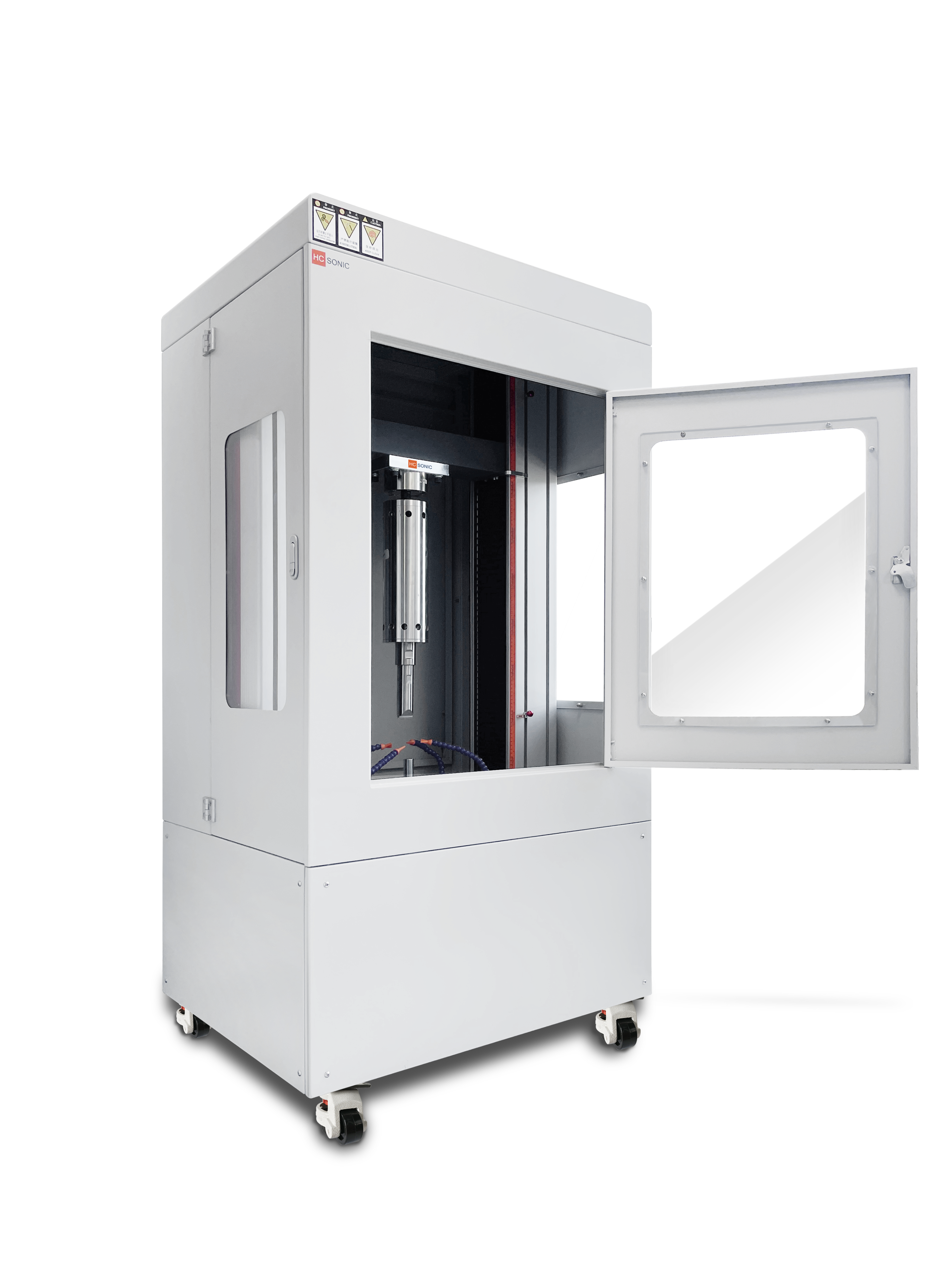
Understanding Ultrasonic Fatigue Testing and Its Role in Very High Cycle Fatigue (VHCF) Evaluation
The Shift Toward Very High Cycle Fatigue (VHCF) Regime in Modern Materials Science
Engineering today needs materials that can handle absolutely massive numbers of loading cycles, so much so that we're looking at what's called very high cycle fatigue (VHCF), basically anything over 10 million cycles. Traditional ways of testing how materials wear out just don't cut it anymore because they run at frequencies under 100 Hz and take forever to get results - sometimes months or even years. That's not practical when companies need answers quickly. So many labs have started using ultrasonic fatigue testing instead, which works around 20 kHz resonance. These systems slash testing time down from months to just hours, letting researchers actually study things like tiny cracks forming deep inside materials that only show up after those astronomical cycle counts. For industries like aerospace, cars, and power generation where parts need to last way past 1 billion cycles, this kind of fast testing makes all the difference in product development timelines.
How Ultrasonic Fatigue Testing Enables Rapid Cyclic Loading at 20 kHz
Ultrasonic fatigue testing works by using piezoelectric actuators that create mechanical vibrations around 20 kHz. These vibrations travel through a specially designed horn to reach the test specimen. When resonance occurs, it boosts how efficiently displacement happens, which means we can accumulate lots of stress cycles quickly without needing much energy. Looking at traditional servo-hydraulic systems that run between 20 and 60 Hz, ultrasonic methods cut down testing time by more than 95%. They also use less power because they generate less heat and have better mechanical efficiency overall. There are some challenges though. Keeping tight control over both amplitude levels and temperature is really important since different materials react differently to various frequencies or might soften when exposed to high temperatures for extended periods. Still, despite these issues, the fast pace and consistent results from ultrasonic testing help create solid data sets that make engineers much more confident about predicting how long parts will last before failing, especially those used in applications where safety matters most.
Industry Demand for Faster, More Energy-Efficient Fatigue Testing Solutions
Manufacturers across various sectors are increasingly turning to faster, greener testing methods as they struggle to match the speed of innovation in new materials and intricate design work. Ultrasonic fatigue testing checks off both boxes really well actually. It cuts down on how long it takes to get results while also consuming far less power thanks to its resonant operation mode. What makes this approach stand out? Consider that one system can complete around ten million cycles within just two days. That's roughly what would take months straight on traditional machines. The real value here becomes apparent when looking at component validation for things like electric car parts, wind turbine blades, and aircraft components where getting approvals quickly means everything to meeting those tight product launch schedules. With material research moving rapidly into areas like nanostructured metals and 3D printed components, there's simply no slowing down the demand for these quick yet dependable high cycle fatigue assessments.
Time-Saving Mechanisms of Multifunctional Ultrasonic Fatigue Test Systems
Limitations of Conventional Fatigue Testing: Why Traditional Methods Take Weeks
Most traditional servo-hydraulic systems run between 20 to 60 Hz, which means getting enough cycles for proper VHCF analysis takes weeks or even months. The testing just moves too slowly for what manufacturers need these days. This slowdown causes major problems for research teams and QA departments alike, pushing back when products can actually get validated and approved. And let's face it, companies hate paying for all those extra hours of operation while waiting for results. Longer tests also create headaches because machines break down more often during extended runs, plus environmental factors change over time, making the collected data less reliable. When industries need fatigue information past 10 million cycles, sticking with old school methods simply doesn't work anymore given today's tight project schedules and budget constraints.
High-Frequency Testing: Reducing Test Duration from Weeks to Hours
Ultrasonic fatigue test systems working at around 20 kHz can boost cycling rates by roughly 1000 times when compared to older techniques. This dramatic speed improvement means what once took months of continuous testing can now be done within just a few hours, which makes all the difference when engineers need quick results for product development and regulatory approvals. These systems handle some pretty tough conditions too, capable of running tests at temperatures as high as 1200 degrees Celsius. That's why they're so valuable for checking how materials perform under the intense heat found inside jet engine components and industrial gas turbine parts. Faster testing cycles also open up possibilities for running more comprehensive experiments across different parameters while still maintaining solid data integrity standards.
Case Study: Accelerating Aerospace Component Validation Using USFT
One real world case shows how ultrasonic fatigue testing cut down the evaluation period for turbine blades from around six weeks with traditional approaches down to just under eight hours. That kind of massive time savings made it possible to run through many more design cycles without sacrificing reliable results. The engineers could test different material structures all under the same high cycle fatigue conditions. This speed up the whole process of picking the right materials and fine tuning manufacturing techniques for future aerospace parts that need to last longer and perform better.
Advanced Design Features: Horn and Specimen Optimization for Reliable Testing
Engineering the Ultrasonic Horn for Stable Resonance and Load Uniformity
An ultrasonic horn basically serves as a bridge connecting the transducer to the test specimen. Getting this right requires careful engineering so the device can hold steady at its operating frequency of around 20 kHz. When the geometry is properly designed, it spreads out the stress evenly across the surface while cutting down on those annoying little vibrations that mess up test readings. Most engineers rely on finite element analysis these days to fine tune the shape of the horn. This helps get the most bang for the buck in terms of energy transfer while keeping those pesky nodal points from causing problems. Typically made from either titanium or some tough aluminum alloy, these horns need to stand up to heat expansion issues and wear over time when running continuously. All these factors together mean better consistency in how loads are applied and systems that just keep working reliably month after month.
Specimen Design Innovations for Realistic Stress Simulation in Complex Components
Recent improvements in additive manufacturing now make it possible to produce specimens optimized through topology analysis that actually mimic how materials behave under real world stresses in complicated shapes. When engineers adjust the inside structure and decide on the best printing direction, they can manufacture test pieces with specific areas of high stress and loads coming from different directions. This kind of innovation makes simulations much better at predicting when cracks will start and how they spread during very high cycle fatigue testing. Getting the topology right matters a lot for testing parts made using additive methods because things like grain structure and leftover stresses from printing have such a big impact on how these components handle repeated loading over time.
Improving Fatigue Life Prediction Through Early Damage Detection
Detecting Subsurface Crack Initiation in the VHCF Regime
Multifunctional ultrasonic fatigue systems offer something really valuable they can spot tiny bits of damage long before anyone would notice any actual cracks forming. This matters a lot when dealing with very high cycle fatigue situations because problems tend to start from deep inside materials rather than on the surface. When operating at around 20 kHz frequency range, there are noticeable shifts in how materials absorb energy and respond acoustically that signal trouble underneath. Researchers have found that these subtle changes let them catch damage starting at stress levels as much as 30 percent lower than what traditional methods can pick up according to recent studies published in International Journal of Fatigue back in 2022. Such fine detail makes all the difference for industries where sudden equipment failure could lead to major accidents or huge financial losses down the line.
Case Study: Enhancing Reliability of Automotive Components with Internal Crack Monitoring
One major car company recently implemented ultrasonic fatigue testing to keep tabs on transmission parts during those extreme high cycle fatigue situations. When engineers started monitoring acoustic nonlinearity parameters as they happened, they spotted hidden cracks forming when components had only gone through about 5% of their expected lifespan. That's way earlier than the usual 40 to 50% detection point with older techniques. These early warnings allowed them to tweak designs so parts lasted roughly twice as long as before. Plus, their validation process shrank dramatically from needing six whole weeks down to just four days. For electric vehicles specifically, this method works wonders because EV powertrains deal with such fast repeating stress cycles that standard tests simply can't predict how things will hold up over time in actual driving conditions.
Multiaxial Fatigue Testing Advantages Over Uniaxial Methods
Why Uniaxial Testing Falls Short in Real-World Load Representation
The problem with uniaxial fatigue testing is that it really simplifies what happens to engineering parts in the real world. Most components actually face all sorts of stresses at once. Take turbine blades or car suspension systems for instance they deal with tension, compression, twisting forces, and bending all happening together. When looking at very high cycle fatigue (VHCF) specifically, these mixed stress conditions matter a lot because they change where cracks start forming and how they spread through materials. Research indicates that predictions based only on uniaxial tests can be off by as much as 40% compared to what actually happens in service when those multiple stress factors are taken into account.
Enabling Realistic Multidirectional Stress Simulation with Ultrasonic Resonance
Ultrasonic systems designed for multiple functions fill this void by creating controlled stress across multiple axes at around 20 kHz frequencies through special horn shapes and sample configurations. What makes these systems stand out is their ability to apply both tension and torsion forces together, or handle loads from two directions at once. They also have fine control over timing so engineers can test materials under conditions where stresses happen simultaneously or offset against each other. Because ultrasonic tests rely on resonance, they keep moving fast even when dealing with complicated combinations of forces. This means researchers get to examine how materials wear out over time in situations that actually happen in the real world, all while still enjoying the speed advantages that come with high frequency testing methods.
Case Study: Performance Gains in Turbine Blade Testing Under Multiaxial Loads
Tests on turbine blade materials showed that when using multiaxial ultrasonic fatigue methods, the crack initiation patterns matched what we see in real world failures. This stands in contrast to uniaxial tests which tend to overestimate component lifespan. When subjected to both tension and torsion forces together, subsurface cracks started forming at around 25 percent lower stress levels compared to what was seen in standard uniaxial testing setups. What this means is that multiaxial ultrasonic testing gives engineers a much better idea of how long parts will last under real operating conditions. These kinds of insights matter a lot for making components that can withstand tough environments such as jet engines and power plant turbines where failure isn't an option.
FAQs about Ultrasonic Fatigue Testing
What is very high cycle fatigue (VHCF)?
VHCF refers to the fatigue life of a material when it endures cycles exceeding ten million, making it crucial for evaluating how modern materials perform under prolonged stress conditions.
How does ultrasonic fatigue testing work?
Ultrasonic fatigue testing utilizes piezoelectric actuators to induce high-frequency vibrations, typically around 20 kHz, to rapidly accelerate the fatigue testing process, reducing testing time substantially compared to traditional methods.
Why is ultrasonic fatigue testing preferred over traditional methods?
Ultrasonic fatigue testing significantly reduces the testing duration from months to hours and is more energy-efficient, making it ideal for industries that require quick and reliable results for material validation.
What challenges are associated with ultrasonic fatigue testing?
Maintaining control over amplitude and temperature is crucial, as materials react differently at varying frequencies and might experience softening at high temperatures over extended periods.
What are the benefits of multiaxial fatigue testing?
Multiaxial fatigue testing provides a realistic simulation of complex stress conditions faced by components, offering more accurate predictions of material lifespan compared to uniaxial testing.
Table of Contents
- Understanding Ultrasonic Fatigue Testing and Its Role in Very High Cycle Fatigue (VHCF) Evaluation
- Time-Saving Mechanisms of Multifunctional Ultrasonic Fatigue Test Systems
- Advanced Design Features: Horn and Specimen Optimization for Reliable Testing
- Improving Fatigue Life Prediction Through Early Damage Detection
- Multiaxial Fatigue Testing Advantages Over Uniaxial Methods
- FAQs about Ultrasonic Fatigue Testing