
 EN
EN
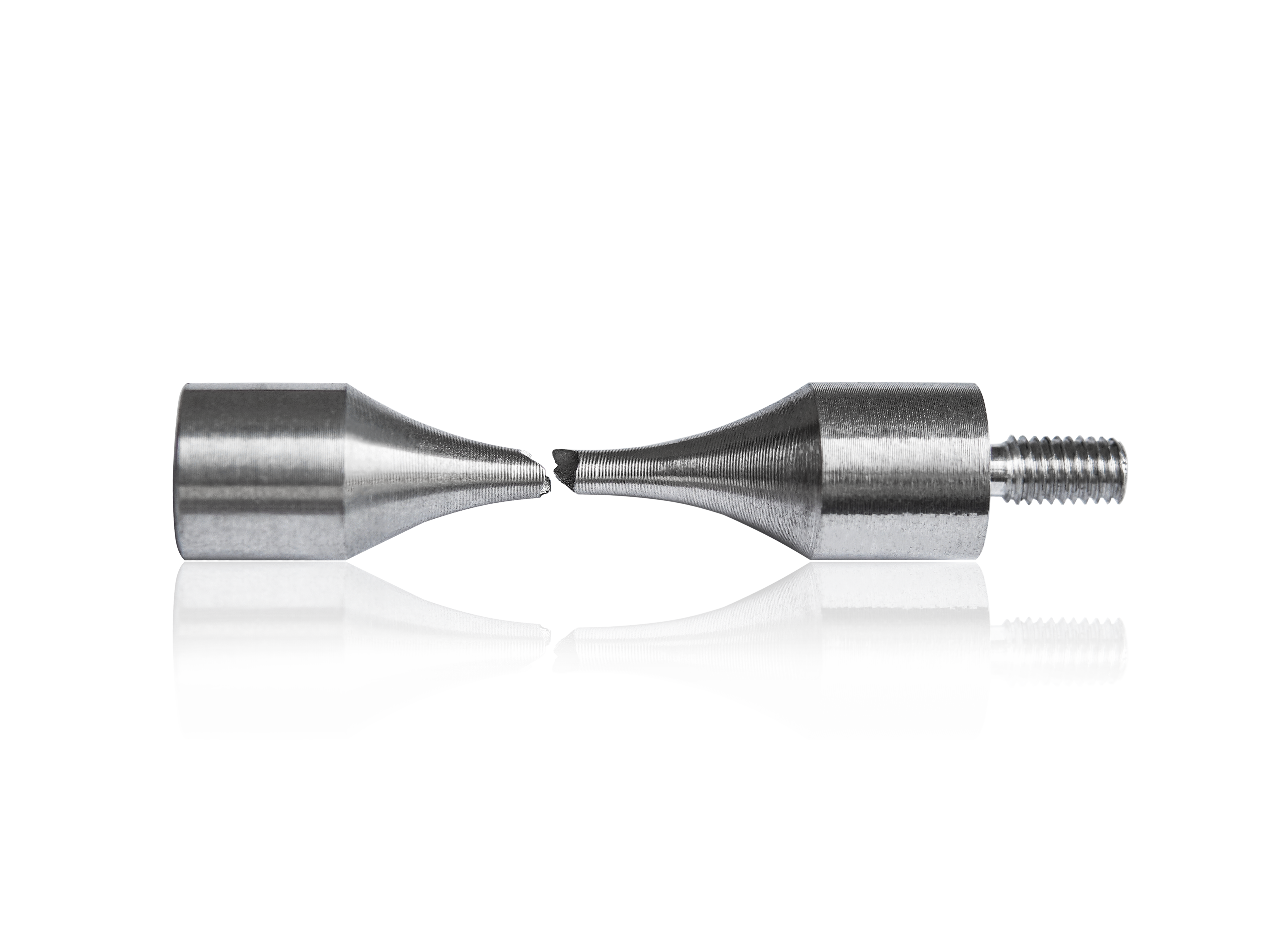
Understanding Fatigue Testing and the Role of Ultrasonic Technology
The Evolution of Fatigue Testing in Structural Materials
The way we test materials for fatigue has changed a lot over time. What started as simple observation is now done in labs with fancy equipment that can actually predict when something will fail after repeated stress. Back in the day, people used basic mechanical testers running at pretty slow speeds between 5 to 100 Hz. Getting enough data for those high cycle tests took forever sometimes, like weeks or even months. Things really picked up in the late twentieth century when someone came up with ultrasonic fatigue testing. This new approach uses super fast vibrations, going all the way up to 20 kHz, which cuts down testing time by a huge margin. The aerospace and auto industries love this because their parts need to survive billions of load cycles before failing. These days most modern testing setups include temperature controls too, plus real time monitoring so researchers can see how materials behave under actual working conditions rather than just ideal lab settings.
How Ultrasonic Fatigue Testing Differs from Traditional Methods
Ultrasonic fatigue testing works differently from standard methods because it uses piezoelectric actuators to create stress waves at around 15 to 25 kHz frequencies. These waves are roughly 1,000 times quicker than what we get from servo-hydraulic systems. The whole point is to speed things up so that instead of waiting years for material failure data, labs can run tests in just a few hours and reach between 10 million to 1 billion cycles without breaking a sweat. There's one catch though: special specimen designs are needed to maintain those standing wave patterns, which stands in contrast to the regular shapes used in traditional testing setups. Sure, these ultrasonic systems save energy and simplify mechanics compared to older tech, but they come with their own headaches when it comes to managing heat buildup over long periods of high frequency operation. Anyone wanting deeper insight into how all this actually works might want to check out the detailed guide called Ultrasonic Fatigue Testing Principles for further reading.
Case Study: Application in Aerospace Alloy Evaluation
A recent investigation looked at ultrasonic fatigue testing techniques applied to nickel based superalloys used in turbine blades when subjected to 20 kHz loading frequencies at temperatures above 800 degrees Celsius. What makes this approach remarkable is that the test rig managed to complete an impressive one billion cycles within just 24 hours flat. To put that into perspective, traditional testing methods would require roughly three months to achieve similar results. The findings revealed something quite significant: there was approximately a 12 to 18 percent drop in fatigue strength when materials were tested at these higher temperatures. This kind of information is absolutely critical for anyone involved in engine design work. By speeding up the testing process so dramatically, researchers could run multiple iterations through different alloy compositions much faster than before. As a result, they discovered optimal heat treatment conditions which ultimately extended the fatigue life of these materials by around 22 percent. Looking at this case study shows just how transformative ultrasonic testing can be for qualifying new materials and pushing forward innovations in industries where performance under extreme conditions is absolutely essential.
High-Frequency Cyclic Loading and Resonance Control in Ultrasonic Testing
Mechanics of High-Frequency Cyclic Compression and Stress Accumulation
Ultrasonic fatigue testing works by applying repeated pressure cycles at frequencies close to resonance, typically around 20 kilohertz. These fast mechanical vibrations speed up the way stress builds up over time in materials. When compared with older methods that run at much slower rates between 20 and 60 hertz, ultrasonic testing gets us into those higher cycle ranges much quicker. We're talking about both high cycle fatigue situations and what some call very high cycle fatigue conditions. The system maintains tight control over how much the material moves during testing, which keeps the stress levels consistent throughout. This kind of precision makes all the difference when collecting accurate data over long periods of testing, something that's critical for understanding material behavior under extreme conditions.
Resonance Frequency Control for Stable Load Application
Keeping resonance stable remains key to getting good test results. Modern feedback systems are constantly watching over things, making small tweaks to the excitation frequency whenever needed. As materials break down during testing, these systems work hard to keep the resonance going strong. The whole point is to make sure energy keeps flowing consistently through the specimen without letting amplitudes wander off track, which could mess up the whole experiment. What's interesting too is that when we see changes happening in resonance frequencies, it often means cracks are starting to form somewhere inside the material. Engineers pay close attention to these signals because they give an early warning sign about what's happening deep within the sample structure long before visible damage appears on the surface.
Achieving 10^7 to 10^9 Cycles in Hours: Data and Efficiency Gains
Ultrasonic testing really speeds things up when it comes to research timelines. For example, getting around 10 million cycles done takes only about 8 hours, and pushing that up to a billion cycles finishes in just 2 to 3 days. Traditional approaches on the other hand often drag on for weeks or even months to reach those same numbers. Cutting down the time by nearly 90% means researchers can work with bigger samples and test under more varied conditions. This gives much better statistical confidence when evaluating how materials hold up over time, especially when looking at different batches and changing environmental factors.
Managing Thermal Effects and Specimen Heating Challenges
High-frequency cycling generates significant internal heat, which must be controlled to avoid thermal artifacts. Advanced systems employ pulse-pause sequences and active cooling to manage temperature rise. Real-time monitoring ensures specimens remain within acceptable thermal limits, preserving the validity of fatigue data and preventing heat-induced property changes during long-duration tests.
Ultrasonic Fatigue Testing of Concrete and Brittle Materials
Ultrasonic fatigue testing works really well with metals but runs into problems when used on concrete and similar brittle materials. The mix of different components in these materials, like aggregates and tiny cracks throughout, messes with how the waves travel evenly. This often causes failures that happen too soon or in unexpected spots. Another issue is that these materials absorb a lot of energy, which means the signals get weaker as they go deeper. Less energy reaches the important parts inside, making it tough to get reliable measurements of fatigue over time.
Challenges in Applying Ultrasonic Fatigue Testing to Concrete
The biggest problems we face are material differences and signal losses. When looking at concrete specifically, its complicated inside structure leads to all sorts of issues when subjected to high frequency loads. The stress just doesn't spread evenly throughout the material, which means cracks form in unexpected ways that don't follow what we normally see in failures. Heat is another big problem too. Studies have shown areas can get anywhere from 20 to 30 degrees warmer than surrounding materials during testing according to research published in Materials Testing back in 2017. This kind of temperature change can actually modify how the material behaves if these tests go on for long periods of time.
Innovative Coupling Techniques for Effective Wave Transmission
Scientists working on wave transmission problems have come up with better ways to connect components and apply pressure effectively. Some recent tests show these new approaches can boost how much energy gets transferred through systems by around 40 percent over what was possible before. When it comes to spotting early signs of damage, these improvements make all the difference. The enhanced coupling lets engineers track changes in resonance frequencies and detect harmonic patterns that signal tiny cracks forming in brittle materials subjected to repeated stress cycles. These subtle signals serve as warning flags long before visible damage appears, giving maintenance teams valuable time to intervene.
Real-Time Fatigue Damage Monitoring Using Ultrasonic Methods
Real-time ultrasonic monitoring offers a non-destructive way to assess material integrity during fatigue testing. By continuously tracking microstructural changes without interrupting the test, this method provides valuable insights for both research and industrial applications.
Detecting Damage Through Ultrasonic Signal Attenuation
When tiny cracks start forming and spreading through materials, they actually mess with ultrasonic waves by scattering them around and soaking up some of the energy too. This causes what engineers call signal attenuation that can be measured pretty accurately. Research into these methods has found that we can spot signs of damage building up even when strains are really small, sometimes as little as 0.1%. That gives maintenance teams precious time before something breaks completely. The real power of looking at attenuation lies in catching those first signs of wear in high cycle fatigue (HCF) situations and very high cycle fatigue (VHCF) conditions. Traditional inspection techniques just don't pick up on these subtle changes until it's almost too late.
Resonance Frequency and Harmonic Shifts as Damage Indicators
When materials start to crack and lose their stiffness, this actually brings down what we call the natural resonance frequency of the specimen. And this drop in frequency tends to happen right along with how damage progresses over time. At the same time, there's something interesting happening when ultrasonic waves meet those tiny defects inside the material. These interactions create what engineers refer to as higher harmonics. Looking at some studies on this topic, it seems that during periods of fatigue testing, the nonlinear parameter beta can jump anywhere from double to triple its normal value. This kind of dramatic change serves as an early warning sign for structural problems long before anyone would notice any actual cracks forming with the naked eye.
Balancing Sensitivity and Noise Interference in Field Applications
Putting ultrasonic monitoring systems into actual field work means dealing with all sorts of environmental noise problems. Temperature changes throughout the day, machinery vibrations, and those pesky electromagnetic fields can really mess with readings. That's why engineers rely on sophisticated signal processing methods these days. Techniques such as wavelet transforms and various forms of digital filtering are now standard practice for separating genuine damage indicators from background noise. When done right, proper calibration combined with effective noise reduction strategies can achieve measurement accuracy around plus or minus 2 percent. This level of precision holds up surprisingly well even in tough industrial environments where conditions aren't controlled like they are in lab settings. As a result, what was once considered experimental equipment is now becoming a practical tool for real time monitoring outside research facilities.
Ultrasonic vs. Servo-Hydraulic Fatigue Testing Systems: A Practical Comparison
Speed, Cost, and Cycle Range: Performance Comparison
Ultrasonic testing systems typically run around the 20 kHz range, which means they can complete anywhere from ten million to a billion test cycles within just hours or days. Compare that to traditional servo-hydraulic systems operating at much lower frequencies between 20 and 60 Hz, and those same tests might drag on for months or even years before yielding comparable results. Sure, the upfront costs for ultrasonic equipment are steeper, but the savings in actual testing time make it worth considering for many operations. Servo-hydraulic machines still have their place when dealing with complicated load patterns or big industrial parts, no doubt about that. But when companies need to run thousands upon thousands of high frequency tests quickly, ultrasonic technology simply cannot be beat for getting the job done fast without compromising quality standards.
When to Choose Ultrasonic Over Servo-Hydraulic Systems
Ultrasonic testing works best when there's a need for quick data collection in the very high cycle fatigue (VHCF) range, or when dealing with big batches of samples to get statistically meaningful results. This method really shines with materials such as austenitic stainless steel because these materials don't show much change in their fatigue properties across different frequencies. For situations involving variable amplitude loads, heavy force requirements, or components that just won't fit into standard resonant testing configurations, servo-hydraulic systems still hold their ground as the better choice. When deciding between options, engineers need to consider what exactly they want from the tests, how much money they have available, and whether they need fast results or more flexible loading capabilities for their particular application needs.
Data Insight: 90% Reduction in Test Duration with Ultrasonic Systems
Research shows ultrasonic fatigue testing cuts down on testing time dramatically, sometimes as much as 90% when dealing with those really high cycle count scenarios. The time savings make a big difference in research and development cycles while also cutting down expenses across operations. What does this mean practically? Instead of waiting months for results, engineers can get answers within days. This opens up whole new possibilities for testing different materials under various conditions. As a result, we end up with better predictions about how long components will last before they fail under stress.
FAQ
What is ultrasonic fatigue testing?
Ultrasonic fatigue testing is a method of testing materials using high-frequency vibrations to accelerate the fatigue process, allowing researchers to quickly gather data on material strength and endurance.
How does ultrasonic fatigue testing compare to traditional methods?
Ultrasonic fatigue testing is much faster than traditional methods, often completing cycles in hours or days compared to weeks or months. It is also more energy-efficient but requires specialized specimen designs.
What are the benefits of using ultrasonic fatigue testing?
Ultrasonic fatigue testing significantly reduces the time needed to gather material failure data, allowing for faster research cycles and more efficient analysis of material behavior under stress.
Is ultrasonic fatigue testing suitable for all materials?
While effective for metals, ultrasonic fatigue testing faces challenges with concrete and brittle materials due to issues with wave transmission and signal attenuation.
What industries benefit most from ultrasonic fatigue testing?
Industries like aerospace, automotive, and engineering benefit greatly from ultrasonic fatigue testing, especially where parts need to endure extreme conditions and high stress cycles.
Table of Contents
- Understanding Fatigue Testing and the Role of Ultrasonic Technology
- High-Frequency Cyclic Loading and Resonance Control in Ultrasonic Testing
- Ultrasonic Fatigue Testing of Concrete and Brittle Materials
- Real-Time Fatigue Damage Monitoring Using Ultrasonic Methods
- Ultrasonic vs. Servo-Hydraulic Fatigue Testing Systems: A Practical Comparison
- FAQ