
 EN
EN
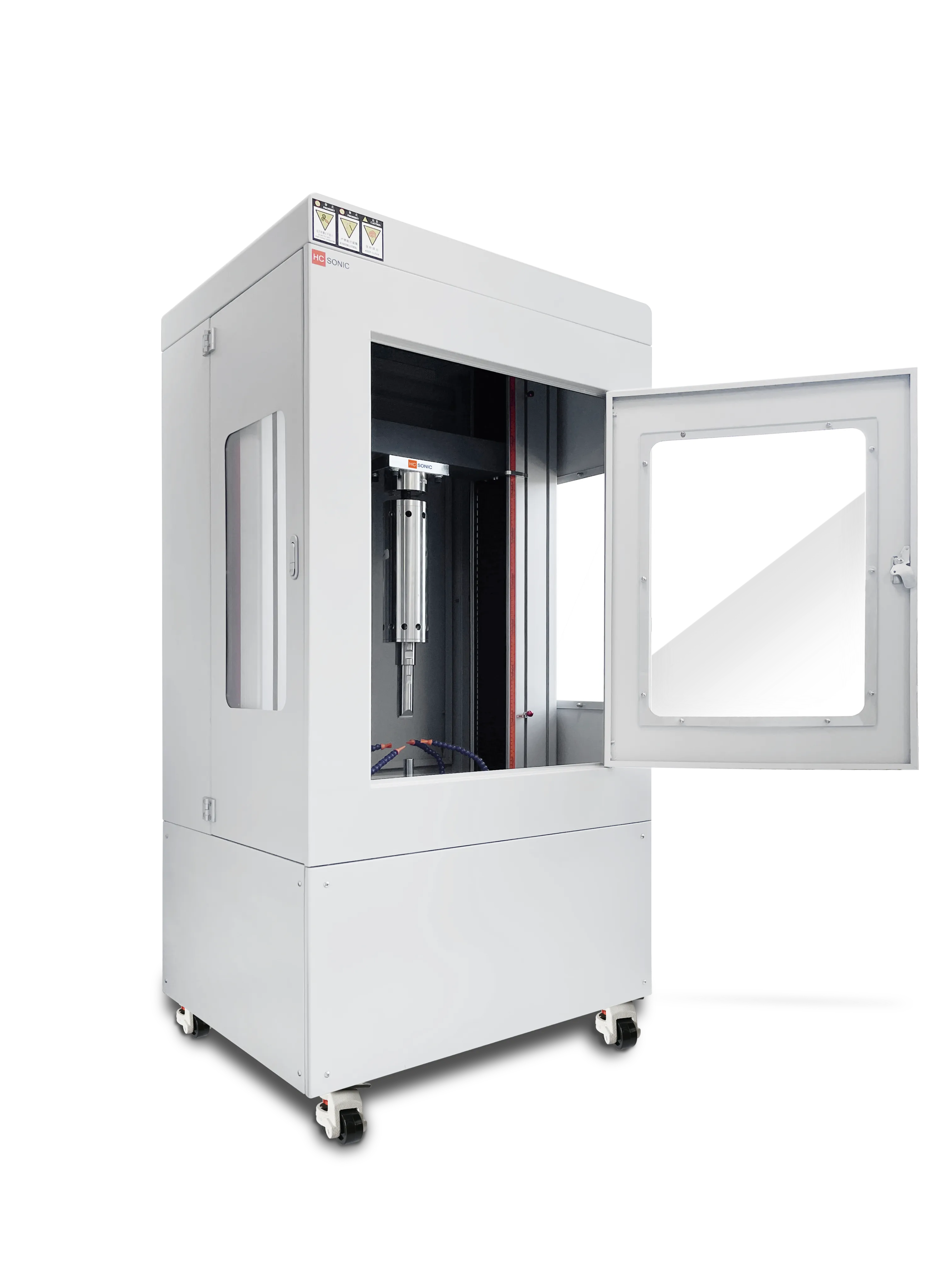
Conventional Fatigue Testing Shortcomings for Modern Quality Control & Multifunctional Ultrasonic Fatigue Test Systems
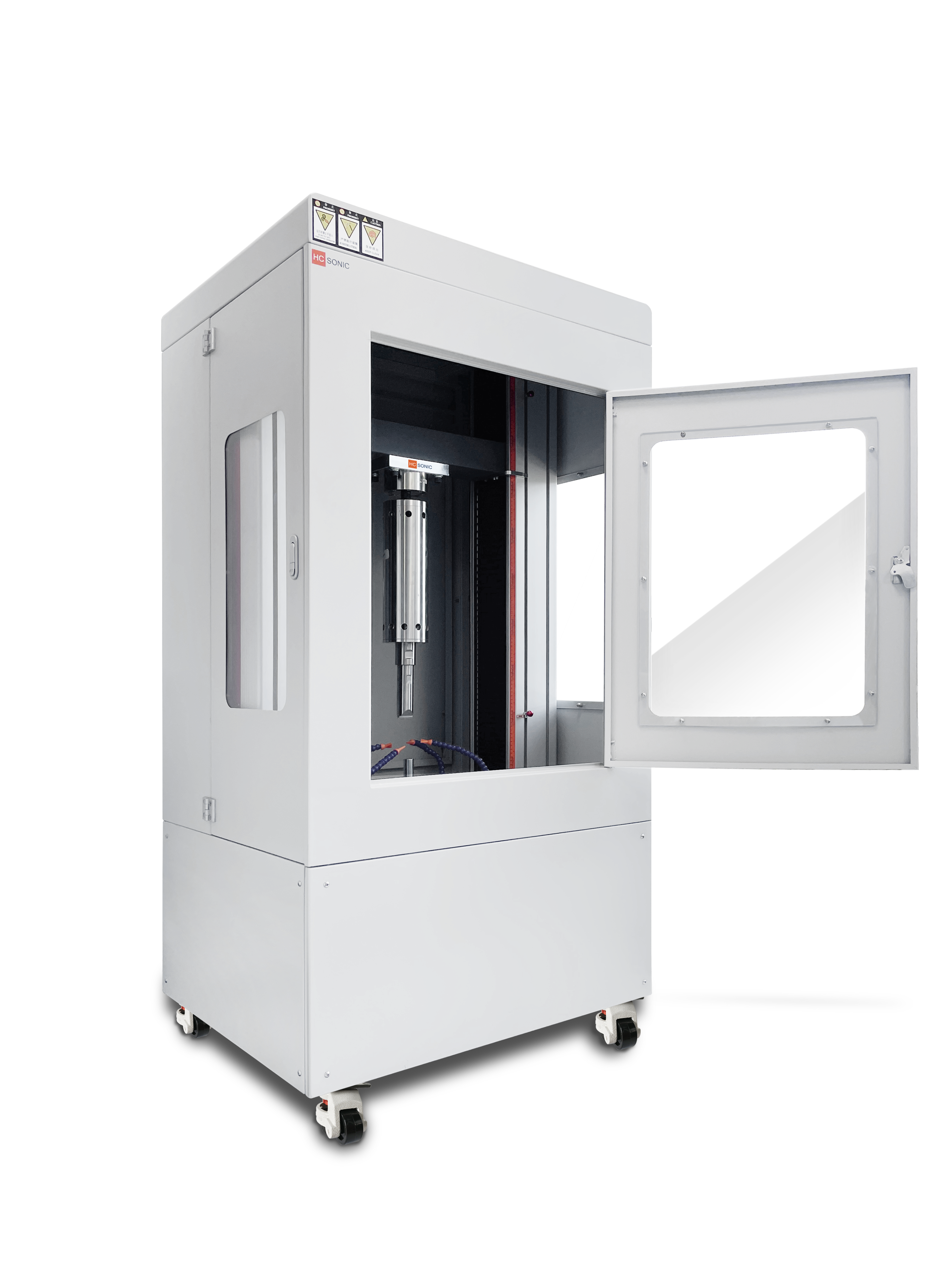
Time-to-failure bottlenecks: From weeks to seconds with ultrasonic acceleration
Standard servo-hydraulic fatigue testers work at frequencies under 100 Hz and need several weeks to complete around ten million test cycles. This creates serious bottlenecks in production for items that must meet strict reliability standards such as airplane bolts and titanium medical implants. A new system called the Multifunctional Ultrasonic Fatigue Tester solves this issue by using resonance at 20 kHz frequency. What used to take months can now be done within hours, all while meeting the requirements set out in ISO 12718 standards. Take medical implants for example. Testing them to reach one billion cycles would traditionally require about four months worth of time. With ultrasonic acceleration technology, though, the same validation process only needs eight hours instead.
Limitations of servo-hydraulic and rotating-bending testers in high-reliability sectors (aerospace, medical implants, power generation)
The standard fatigue testers we have today just aren't cutting it when it comes to mimicking those high frequency vibrations that actually happen in real world conditions for important parts. Take rotating bending machines for instance they simply can't handle those dynamic loads above 10 kilohertz that turbine blades face daily. And let's not forget about servo hydraulic systems which struggle to spot tiny cracks forming before they reach 50 micrometers in size. This isn't just theoretical either. Real world problems stem from these shortcomings. Rotating equipment failures caused no less than 23 percent of all unexpected shutdowns across power plants worldwide last year alone. When looking at medical devices too, traditional testing approaches often overlook fatigue fractures caused by microscopic movements. That's where ultrasonic technology shines though. These systems catch such issues right there on site through continuous sound wave monitoring, matching what doctors actually see as problems in their patients.
How the Multifunctional Ultrasonic Fatigue Test System Enables Rapid, Accurate, and Standards-Compliant Testing
This system transforms fatigue validation by integrating resonant physics, multimodal sensing, and embedded standards compliance—delivering speed without sacrificing scientific rigor or regulatory traceability.
Resonance-based 20 kHz excitation: Physics of stress amplification and cycle compression
The system runs at an impressive rate of 20,000 cycles every second by using mechanical resonance to focus energy right where it matters most - within the material's microscopic structure. This approach speeds up fatigue testing without changing how materials actually fail. Traditional hydraulic systems can only manage around 100 Hz, which means testing for billions of cycles takes months instead of days when using ultrasonic methods. With these techniques, we can complete what would normally take years of testing in just a few days. What makes this so valuable is that even though the process is much faster, it still follows the same basic rules about how cracks start and spread through materials. Engineers get test results that accurately predict how long products will last in real world conditions, not just in lab environments.
Real-time multimodal ultrasonic monitoring (pulse-echo + through-transmission) for in-situ defect evolution tracking
The dual probe ultrasonic method captures both pulse echo reflections and transmission loss at the same time, allowing it to spot flaws smaller than 50 microns right when they start forming, not just after the fact. What makes this approach so valuable is that it shows engineers exactly what happens as cracks begin to form, spread out, and connect with each other while materials are being stressed continuously at high frequencies something traditional microscopes simply cannot catch between tests. With real world data on how materials actually fail under pressure, engineering teams can build better predictive models about component lifespan and make smarter decisions when redesigning parts for improved performance.
Embedded ISO 12718-compliant signal processing and CNAS-aligned calibration protocols
The system sticks to global standards all on its own. The onboard software runs ISO 12718 filtering and waveform analysis as things happen, which cuts down on those inconsistencies that come from manual processing. These self-calibration routines meet CNAS requirements and keep measurements accurate within plus or minus 0.5 percent even when temperatures swing from minus 70 degrees Celsius up to a scorching 1,200 degrees. No need to rely on outside recalibrations anymore. Plus it generates ready-for-audit reports with complete traceability records. Makes getting certified much smoother for folks working in aerospace, medical devices, and energy sectors where documentation matters so much.
Proven Impact: Aerospace Fastener Validation and Beyond
Detecting sub-50 µm microcracks after 10⁶ cycles — case data from CNAS-accredited lab (2023)
In a 2023 CNAS-accredited validation study, the Multifunctional Ultrasonic Fatigue Test System reliably detected sub-50 µm microcracks in titanium aerospace fasteners after accelerated 10⁶-cycle testing—dimensions consistently missed by conventional methods. This precision enabled three key advances:
- Identification of stress-corrosion cracking initiation sites in Ti-6Al-4V under simulated flight vibration spectra
- Verification of fastener integrity across full-service temperature and load profiles
- A 29% reduction in false-negative rates during landing gear component qualification
High-cycle test results now correlate with field service life data at 98%, cutting formal certification timelines from months to weeks—without compromising safety margins or regulatory confidence.
The Next Evolution: AI-Augmented Defect Classification in the Multifunctional Ultrasonic Fatigue Test System
Artificial intelligence is now embedded directly into the system’s acquisition and analysis pipeline—enabling real-time, on-device classification of ultrasonic signatures without cloud dependency or latency.
On-device neural networks cutting false call rates by 37% in turbine blade fatigue validation
The system has been trained using thousands of verified defect waveforms covering everything from tiny cracks under 50 microns to inclusion clusters and those tricky intergranular decohesion patterns. This training helps the edge-deployed neural networks make sense of acoustic emission data where there might otherwise be confusion. Looking at actual tests done on turbine blades back in 2023 shows just how effective this approach is. The AI reduced false alarms by around 37 percent when compared against traditional methods where operators review ultrasonic data manually. What makes this technology stand out is its ability to match real time signals against comprehensive failure databases grounded in physics principles. Instead of waiting for problems to show up during inspections, manufacturers can now anticipate issues before they happen. This shift allows for automatic pass or fail decisions throughout testing processes without slowing things down, ultimately giving companies better control over their manufacturing operations.
FAQ Section
What is the main advantage of the Multifunctional Ultrasonic Fatigue Tester?
The main advantage is its ability to speed up testing significantly by using resonance at 20 kHz frequency, completing processes that traditionally take months in a matter of hours, without sacrificing accuracy or compliance with ISO standards.
How does real-time multimodal ultrasonic monitoring improve testing?
Real-time multimodal ultrasonic monitoring captures both pulse echo reflections and transmission loss simultaneously, enabling the detection of flaws smaller than 50 microns as they form, which helps in building better predictive models for component lifespan.
What role does AI play in the Multifunctional Ultrasonic Fatigue Test System?
AI is embedded into the system to provide real-time, on-device classification of ultrasonic signatures. This reduces false alarm rates and allows for automatic pass or fail decisions, streamlining manufacturing processes.