
 EN
EN
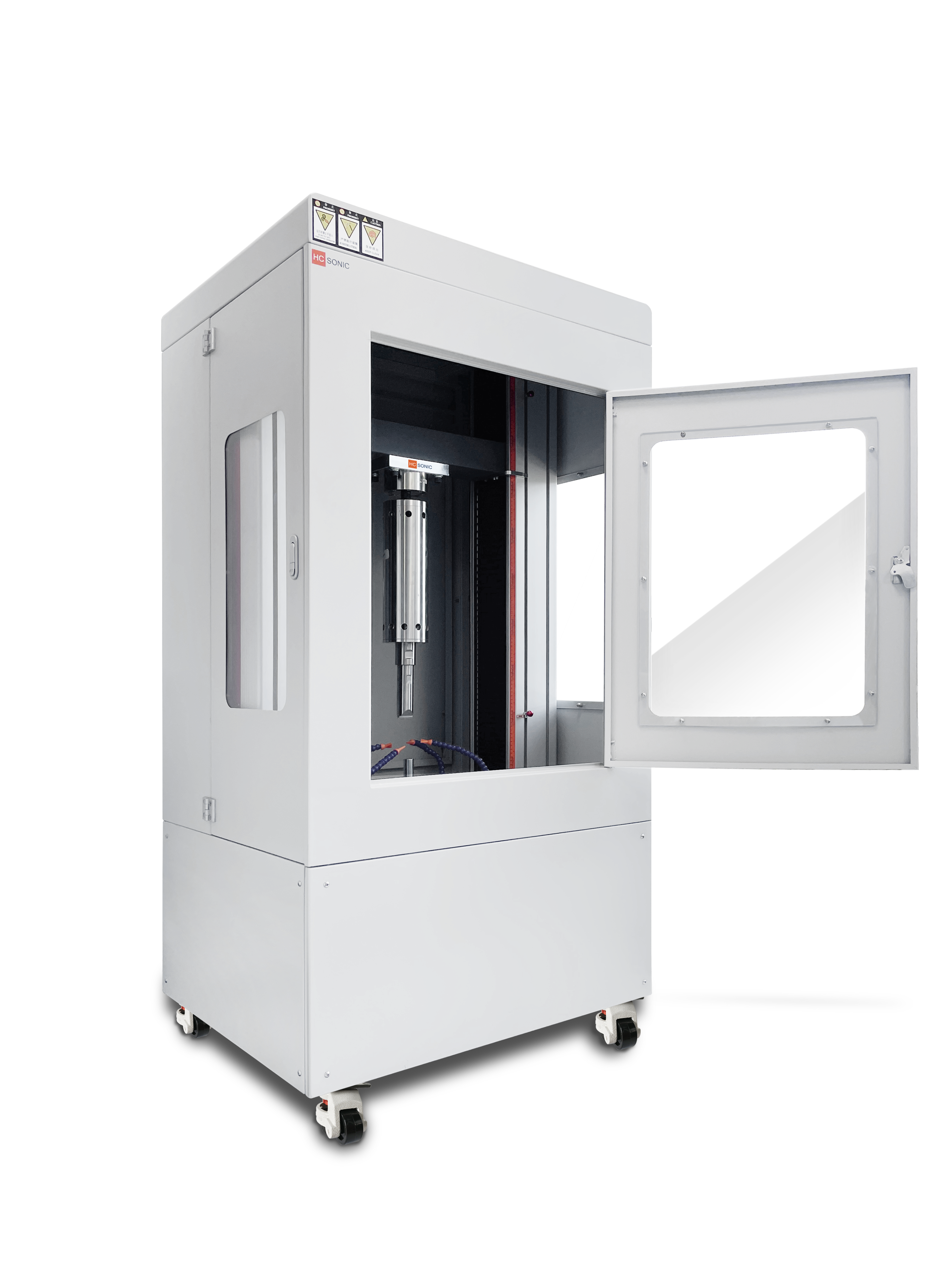
Fundamentals of Multifunctional Ultrasonic Fatigue Testing in VHCF Research
Principles of ultrasonic fatigue testing and its role in very high cycle fatigue (VHCF) studies
Ultrasonic fatigue testing works by applying resonant frequencies around 20 kHz which speeds up the whole evaluation process. Researchers can now run over ten million test cycles in just hours or days instead of weeks when using traditional servo-hydraulic systems that operate between 20 and 60 Hz. The increased testing speed means we get much better data sets because labs can actually test more samples within reasonable time frames. When it comes to materials such as austenitic stainless steel, most recent research shows there isn't much difference in very high cycle fatigue behavior across different frequencies. This supports why many engineers trust ultrasonic testing methods these days for getting reliable information about how long materials will last under stress conditions.
Advantages over conventional fatigue testing methods
The multifunctional ultrasonic fatigue systems represent a major leap forward compared to what we've traditionally used. These setups cut down testing time dramatically, going from taking months down to just hours while still getting reliable results. That means researchers can really dig into how materials behave under very high cycle fatigue conditions. What makes these systems stand out is their ability to measure fatigue limits and those tricky near-threshold values so accurately. This kind of precision matters when looking at how materials hold up over extended periods. Plus, they work great for studying fatigue cracks as they grow at incredibly slow rates. The versatility extends across all sorts of materials too metals, ceramics, plastics, even composite materials. For engineers needing to screen materials quickly or build upon existing fatigue data collections, these systems have become indispensable tools in modern materials testing labs.
Core system components: Transducer, horn, and resonance stability design
A good ultrasonic fatigue setup really depends on three main parts working together: first there's the piezoelectric transducer, then we have what's called a horn or acoustic concentrator, and finally there needs to be some sort of precise resonance control mechanism. What happens here is pretty straightforward actually - the transducer takes electricity and turns it into those high frequency vibrations, usually somewhere around 15 to 25 kilohertz range. The horn does most of the heavy lifting by boosting those vibrations and passing them along to whatever sample we're testing, all while keeping things resonating properly. Getting the right balance between frequency and how strong those vibrations are makes all the difference when running long term tests. Without this kind of control, nobody would get trustworthy data from very high cycle fatigue experiments. When everything stays in sync remains stable, it means fewer stoppages and better predictions about how materials will hold up over time even when subjected to different kinds of stress loads.
Advanced Pulse-Pause Fatigue Testing Methodologies for Durability Assessment
Pulse-Pause Ultrasonic Fatigue Testing for Simulating Real-World Cyclic Loading
The pulse-pause method in ultrasonic fatigue testing brings real world conditions into lab settings by simulating those stop-start load patterns we see in actual equipment operation. When materials experience these alternating bursts of high frequency stress followed by short breaks, they get a chance to cool down between cycles. This matters because constant heating from uninterrupted testing can warp test outcomes, making them unreliable indicators of what happens during normal operation. Engineers find this technique particularly valuable when working with materials prone to temperature changes or parts used in applications where thermal cycling occurs regularly. The resulting fatigue data gives manufacturers a clearer picture of how their products will hold up under realistic service conditions rather than idealized laboratory scenarios.
SN Curve Development and Fatigue Strength Analysis in the VHCF Regime
Creating SN curves for materials under very high cycle fatigue conditions requires some pretty fast testing methods. When running at 20 kHz frequency, ultrasonic testing equipment can actually complete around one billion cycles within just over a day's time, which beats out traditional hydraulic systems by a wide margin. This speed makes it possible to really dig into how materials behave when stressed repeatedly over long periods. Engineers get valuable insights about where components start failing and what kind of damage accumulates after those millions upon millions of load applications. The data collected from these tests becomes critical for companies designing parts that need to last decades without breaking down, especially important fields like aircraft manufacturing and nuclear power plants where component failures simply aren't an option.
High-Accuracy Test Equipment Design for Fatigue-Limit and Near-Threshold Data Acquisition
Today's ultrasonic fatigue testing equipment comes equipped with automatic frequency tracking, monitors displacement as it happens, and adjusts for temperature changes to keep measurements accurate. These built-in features help maintain stress readings within about 1% accuracy while keeping frequency stable at less than 0.1% variation, which matters a lot when trying to detect those tiny changes happening close to the fatigue limit point. When manufacturers add non-contact methods such as infrared thermography and laser-based strain measurement, they get even better results. This combination gives engineers a clearer picture of how materials actually behave over long periods of repeated stress cycles, something traditional methods often miss completely.
Crack Initiation & Propagation Mechanisms at Ultrasonic Frequencies in Fatigue Testing
Fatigue crack behavior in metallic and composite materials at ultrasonic frequencies
When we look at ultrasonic frequencies over 20 kHz, the way fatigue cracks develop looks quite different compared to what we see in regular testing situations. Metal alloys tend to start cracking faster because they don't bend as much during repeated stress cycles. Composites on the other hand face problems at the interfaces between materials when subjected to these high frequency stresses. Research has shown that titanium alloys can actually grow cracks about 40% quicker under such conditions according to a study published in International Journal of Fatigue back in 2023. The fractures themselves take on unusual shapes with finer striation patterns and more complicated paths that just aren't easy to analyze using standard techniques. Engineers need specialized tools to properly understand these unique failure characteristics.
Acoustic emission monitoring for real-time fatigue damage detection
Acoustic emission monitoring offers remarkable detail when it comes to spotting microstructural damage during those ultrasonic fatigue tests we all know so well. These AE sensors basically pick up on those high frequency stress waves that happen when cracks start forming and spread out through materials. Most importantly, they catch this kind of damage really early on, sometimes even before the material reaches just 0.1% of its overall fatigue life. Modern day systems have gotten pretty good at this too, with detection limits going down below 100 micrometers and sampling speeds pushing past 10 MHz mark. What makes these systems truly valuable is their ability to tell apart various types of damage problems. For instance, they can differentiate between matrix cracking issues in composite materials versus slip band formations typically seen in metal components. This gives engineers some pretty detailed information about how failures actually develop under those extreme high cycle fatigue conditions.
Using acoustic emission signals for early fatigue life prediction
Looking at acoustic emission signals helps predict fatigue problems much earlier than traditional methods, thanks to pattern recognition and machine learning tools. When scientists track how much AE energy builds up over time and look at how often events happen, they've managed to connect these patterns with how long a material will last before failing. Lab tests show this approach works with around 90% accuracy most of the time. What makes this technique stand out is its ability to spot tiny cracks forming underneath the surface long before any visual signs appear through regular inspection methods. This matters a lot for things like composite materials that have several different ways damage can develop simultaneously, something standard testing just isn't good at catching.
Specimen Design and Experimental Validation in Ultrasonic Fatigue Testing
Precision specimen design: Geometric control and stress concentration management
Getting good results from ultrasonic fatigue tests really comes down to how the test samples are shaped. Those hourglass forms need exact measurements if we want even stress across them instead of these annoying hot spots where stress builds up artificially. When designing these things, there's a balance between keeping the resonance stable and making sure everything works with what the transducers need. Rounded edges matter too - proper fillets and smooth transitions help prevent early failures right at those sharp corners. Studies have shown time and again that when specimens meet these dimensional standards, our predictions about how long materials will last under very high cycle fatigue become much more reliable. Still, no one gets it perfect every single time.
Benchmarking and validation through case studies in industrial R&D environments
To check if ultrasonic fatigue testing works properly, engineers compare it with traditional methods using actual case studies from different industries. When companies run their research and development programs, they look at how well these tests predict when materials will fail, where cracks might start forming, and what kind of failures happen overall. Looking at recent work in aircraft manufacturing shows something interesting the numbers match up pretty closely between ultrasonic testing and standard approaches, sometimes within 95% accuracy or better. All this checking makes sure that data from ultrasonic tests can be trusted for picking out right materials and making better designs, especially important stuff like airplane parts or medical devices where safety is absolutely critical.
Industrial Applications & High-Cycle Fatigue Evaluation Impact with Fatigue Testing
High-Cycle Fatigue Testing in Aerospace and Automotive Material Development
Fatigue testing for components in high vibration but low strain situations really matters. Take aerospace parts like turbine blades and airfoils which deal with non stop vibrational stress as compressors spin around. These can rack up something like ten billion cycles during their lifespan. The same goes for car engines and suspension bits where knowing how materials hold up against repeated loads makes all the difference. Engineers use this data when picking materials, tweaking designs, and getting things certified for safety. Bottom line? Better understanding of fatigue helps cut down on failures in systems where breakdowns just cant happen.
Case Study: Deployment of a Leading Provider's System in Advanced Research Labs
In a cutting edge research lab last year, scientists put the system through its paces during some serious durability tests. The team ran experiments on titanium alloys generating those crucial SN curves right around 20 kHz frequency mark. What they found was pretty impressive actually - their testing took about 40% less time than what traditional methods require. This time saving really helped speed things up for developing new aerospace parts. Looking at it another way, these ultrasonic fatigue systems are starting to connect what happens in university labs with real world manufacturing needs. They provide detailed data that matters when determining material limits and getting certifications approved for actual products.
FAQ
What is ultrasonic fatigue testing?
Ultrasonic fatigue testing uses high frequencies, around 20 kHz, to rapidly conduct fatigue tests, enabling researchers to achieve over ten million cycles in hours or days compared to weeks with traditional methods.
What are the advantages of ultrasonic fatigue systems?
Ultrasonic fatigue systems greatly reduce testing time while providing reliable results. They are crucial for studying material behavior under high cycle fatigue conditions and are effective across various types of materials.
How does the pulse-pause method improve testing accuracy?
The pulse-pause method simulates real-world cyclic loading conditions by incorporating rest periods, which prevent test outcomes from being altered due to constant heating, ensuring more accurate results.
Why is specimen design important in ultrasonic fatigue testing?
Proper specimen design ensures even stress distribution and minimizes artificial stress concentrations, crucial for obtaining reliable and accurate test results.
How is acoustic emission monitoring utilized in fatigue testing?
Acoustic emission monitoring detects early microstructural damage during fatigue tests, allowing for early prediction of material failure and more detailed analysis of damage mechanisms.
Table of Contents
- Fundamentals of Multifunctional Ultrasonic Fatigue Testing in VHCF Research
- Advanced Pulse-Pause Fatigue Testing Methodologies for Durability Assessment
- Crack Initiation & Propagation Mechanisms at Ultrasonic Frequencies in Fatigue Testing
- Specimen Design and Experimental Validation in Ultrasonic Fatigue Testing
- Industrial Applications & High-Cycle Fatigue Evaluation Impact with Fatigue Testing
- FAQ