
 EN
EN
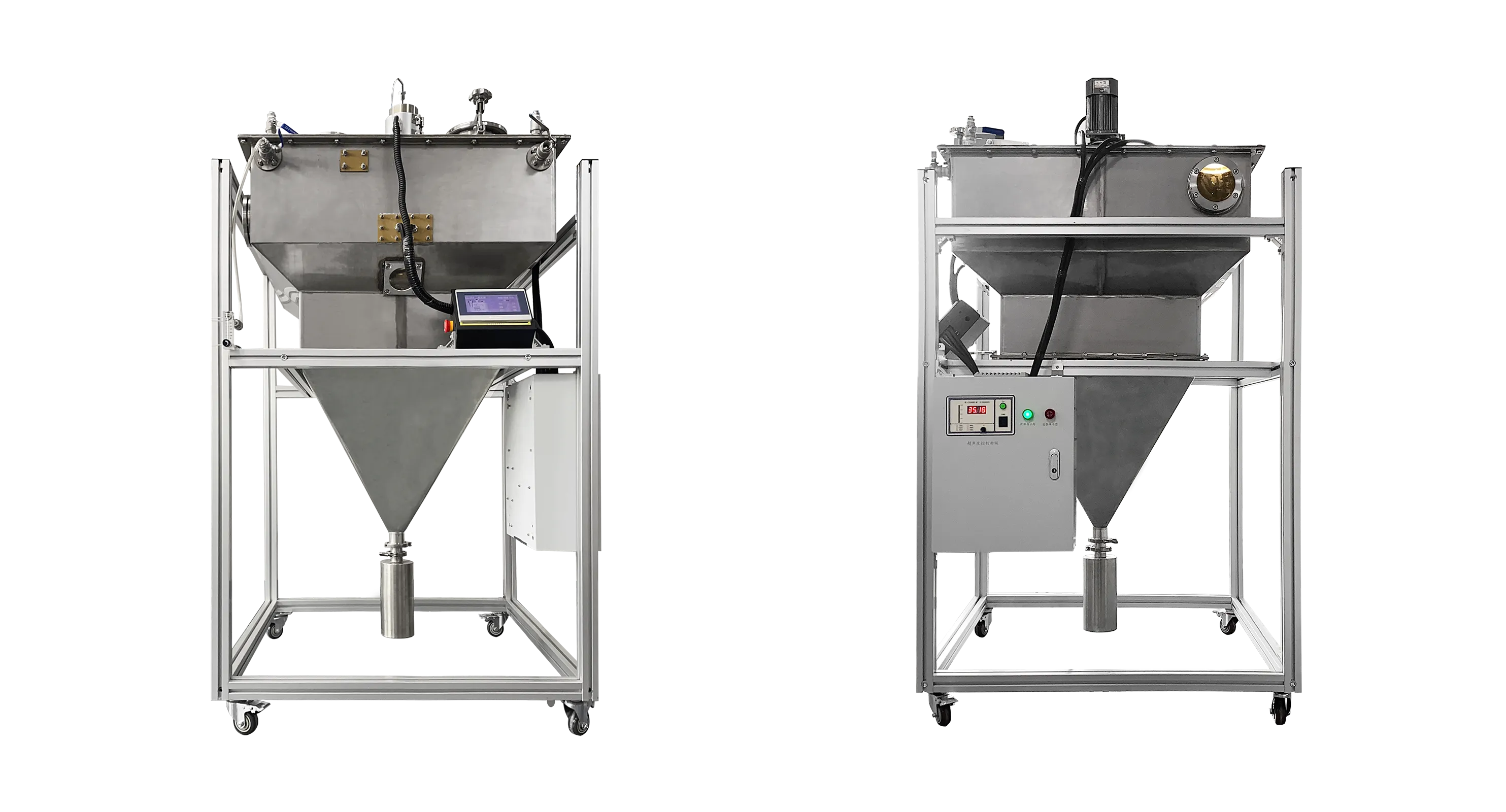
How Ultrasonic Metal Powder Making Equipment Enables Micron-Level Solder Powder Control
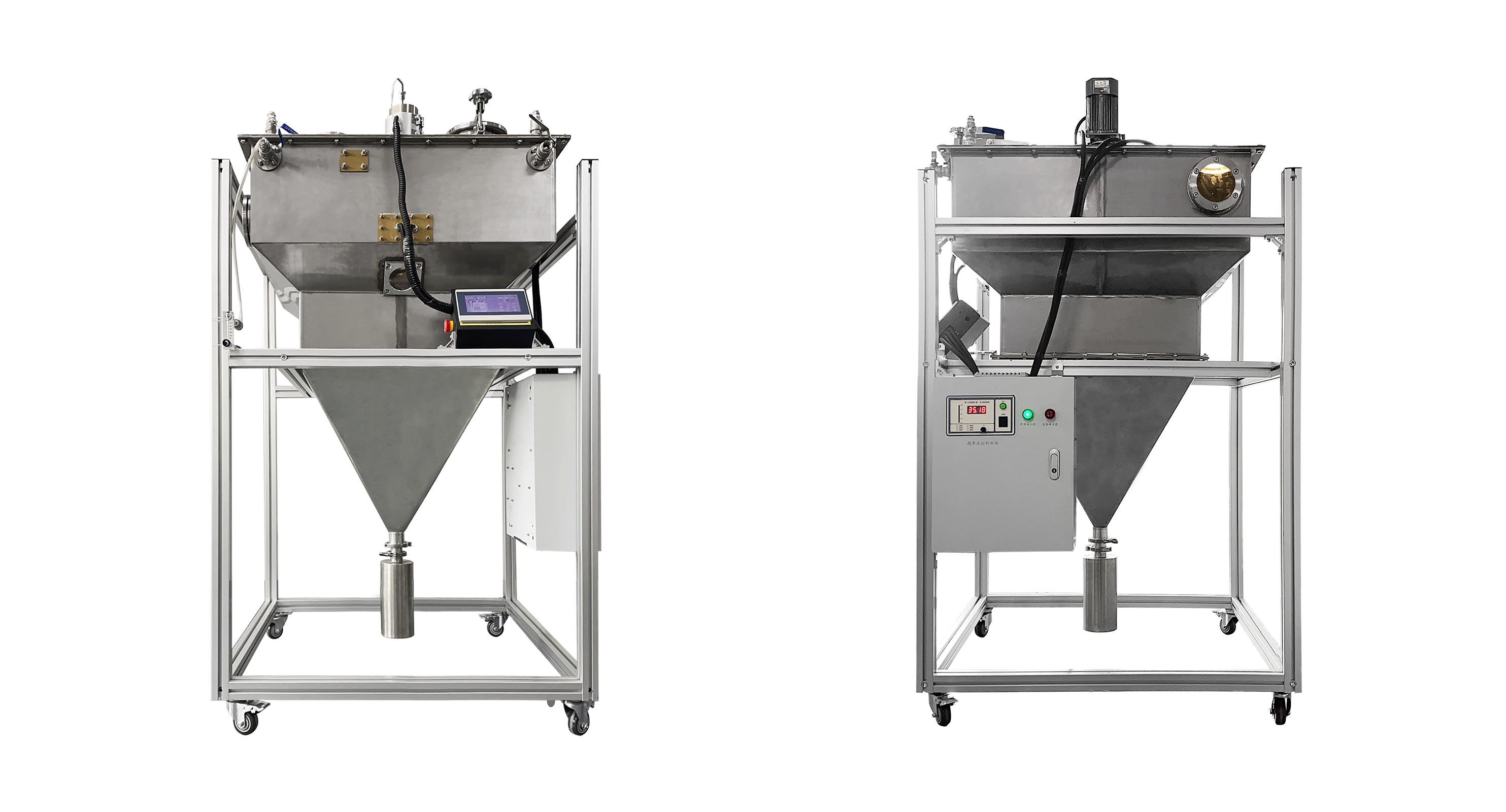
Cavitation-Driven Atomization: Transforming Molten Solder into Uniform Droplets
Ultrasonic equipment for making metal powders can control particles at the micron level thanks to something called cavitation physics. When high frequency vibrations between 20 to 60 kHz hit molten solder, they create tiny vacuum bubbles. These bubbles then collapse with incredible force, generating heat over 10,000 degrees Celsius. This intense energy breaks down the molten material into very uniform droplets and stops those pesky satellite formations from happening. What comes out is solder powder where most particles fall between 15 and 45 microns in size, with a much tighter distribution than traditional gas atomization methods. Another big plus? The process cuts down on inert gas usage by about 90%, while keeping oxygen levels below 200 parts per million. This stability makes all the difference when working with solder pastes for those tiny BGA components that need precise handling during assembly.
Resonant Frequency Tuning: Matching HPU Output to Solder Alloy Viscosity and Surface Tension
Getting the right powder consistency really comes down to matching the HPU frequency with what specific alloys need. Take SAC305 for instance, that lead-free stuff with Sn96.5Ag3.0Cu0.5 composition has around 490 mN/m surface tension. Bismuth based alloys are different though, they push past 520 mN/m mark. Most modern equipment now relies on real time impedance checks to tweak frequencies across the 20 to 60 kHz range. When dealing with thicker melts, the system will drop into the lower end of that spectrum, say 20-30 kHz. For those runnier compositions, it shifts up to 40-60 kHz where the ligaments break apart better. This kind of smart adjustment actually helps fight off thermal drift as things heat up, keeping particle size distribution tight within about +/- 2 microns. Skip this step and watch out for problems. Particle size variation jumps up roughly 40% which means trouble down the line when making those tiny electronic connections.
Critical Design Parameters of Ultrasonic Metal Powder Making Equipment
Vibration Amplitude and Power Input: Direct Levers for D50 and PSD Narrowing
The amount of vibration and how much power gets fed into the system really affects what kind of particle sizes we end up with. When amplitude goes up from 5 microns to 20 microns, the median particle size (D50) drops around 40 to 60 percent for SAC305 materials. Keeping things resonating between 20 and 80 kilohertz makes the particle size range narrower than 1.5 units, which is super important for those precision solder jets that need tight tolerances within plus or minus 3 microns. Getting the power just right helps stop those pesky satellite particles from forming too. These little guys mess up the flow and can cause all sorts of problems later on. Take Automatic Transfer Switch failures for example these cost manufacturers an average of $740,000 each time they happen according to a Ponemon Institute report from last year in high mix electronics production environments.
Nozzle Geometry and Melt Feed Rate: Synergistic Effects on Satellite Particle Suppression
Nozzle design and feed dynamics interact to minimize satellite particles and maximize sphericity:
- Conical nozzles with 60° taper angles reduce satellites by 35% compared to cylindrical alternatives
- Feed rates below 0.5 mL/min per ultrasonic horn sustain sphericality ratios >0.92
- Pulsed feeding at -10 ms intervals cuts agglomeration by 70% in Sn96.5Ag3.0Cu0.5 production
Industrial-Scale Challenges in Deploying Ultrasonic Metal Powder Making Equipment
Thermal Runaway Mitigation in Continuous-Feed Systems
When scaling up ultrasonic metal powder manufacturing systems for around-the-clock operations, thermal management becomes a real headache. The constant flow of molten solder pushes nozzle temps well past 1200 degrees Celsius, which can lead to dangerous thermal spikes. These spikes mess with the material's viscosity and cause particle size distribution (PSD) variations exceeding plus or minus 5 microns. To keep things stable, manufacturers typically implement advanced cooling solutions. Some common approaches include multi stage heat exchangers and those fancy liquid cooled titanium horns that help maintain proper temperature balance. These measures are crucial for keeping the atomization process consistent and achieving repeatable results over time in actual production settings.
Transducer Durability vs. Throughput Trade-offs Above 1.8 kW
When power goes above 1.8 kW, there's a basic reliability issue that comes into play. Increasing amplitude from 50 to 80 microns does boost hourly production by around 40%, but ceramic piezoelectric transducers start showing signs of wear after about 500 hours of operation. Looking at actual industry numbers, we see that parts need replacing three times as often when running at 2.4 kW compared to systems operating at 1.5 kW. This forces plant managers to weigh the benefits of higher output against unexpected shutdowns and rising maintenance expenses. Real world applications differ from laboratory tests, so industrial installations need to focus on getting longer life out of these components while still meeting required particle size distribution standards.
Real-World Performance Validation: Case Study of Sn96.5Ag3.0Cu0.5 Production
When it comes to SAC305 production in commercial settings, ultrasonic metal powder equipment reliably produces spherical particles under 25 microns with satellite content staying well below 3%. The resulting narrow particle size distribution really improves how well the solder paste transfers during stencil printing and also boosts resistance against paste slumping, which matters a lot for those tiny micro-BGA components with just 0.3 mm spacing between them. What's even more important though, the joints made from this particular powder can withstand about 30% more thermal cycles between zero and 100 degrees Celsius compared to what we get from traditional atomization methods. This happens because the intermetallic compound layers form much more uniformly across the surface. We typically see oxide inclusions hanging around at less than 0.2 weight percent, so there's almost no voiding issues in automotive ADAS modules where these connections need to be rock solid for safety reasons. All these results point clearly to ultrasonic atomization being the gold standard when manufacturing electronics that simply cannot afford any failures.
FAQ
What is cavitation-driven atomization?
Cavitation-driven atomization is a process where ultrasonic vibrations create vacuum bubbles in molten solder, leading to their collapse and generation of intense energy. This energy breaks down the material into uniform droplets while preventing satellite formation.
How does resonant frequency tuning improve powder consistency?
Resonant frequency tuning involves matching the HPU frequency with specific alloy requirements. This smart adjustment helps maintain tight particle size distribution and minimizes variation, which is crucial for assembling microelectronic connections.
What challenges exist in scaling up ultrasonic metal powder manufacturing?
Scaling up poses thermal management challenges due to constant molten solder flow leading to thermal spikes. Implementing advanced cooling solutions is essential to prevent PSD variations and ensure consistent atomization processes.
How does transducer durability affect production throughput?
Increased power above 1.8 kW boosts production but can wear out ceramic piezoelectric transducers faster. Balancing output against maintenance expenses is critical for industrial settings to maintain reliability.
Table of Contents
- How Ultrasonic Metal Powder Making Equipment Enables Micron-Level Solder Powder Control
- Critical Design Parameters of Ultrasonic Metal Powder Making Equipment
- Industrial-Scale Challenges in Deploying Ultrasonic Metal Powder Making Equipment
- Real-World Performance Validation: Case Study of Sn96.5Ag3.0Cu0.5 Production
- FAQ