 EN
EN
Уточнение зернистости ультразвуковых металлических расплавов
Ультразвуковое оборудование для плавки металлов, предназначенное для дегазации, измельчения зерна и повышения качества литья.
1. Кавитационное воздействие
Коллапс пузырьков создаёт экстремальное давление, обеспечивающее эффективное перемешивание и дегазацию.
2. Тепловые и гидродинамические эффекты
Совместное действие тепловых и акустических потоков улучшает текучесть и циркуляцию расплава.
3. Повышение качества литья
Удаляет примеси и газовые включения, одновременно измельчая структуру зерна.
- Обзор
- Рекомендуемые товары
Обзор устройства
Оборудование для ультразвуковой плавки металла в основном используется для удаления примесей, устранения пузырьков, измельчения зернистой структуры и улучшения качества отливок. Это чистая и относительно эффективная технология. Пористость остается одним из основных дефектов в отливках из алюминиевых сплавов, поскольку она ухудшает как механические свойства, так и герметичность. Пористость возникает либо при осаждении газов из расплавленного металла во время затвердевания, либо когда жидкий металл не компенсирует междендритное пространство и объемную усадку. Поэтому эффективное удаление пузырьков имеет решающее значение для улучшения качества отливок.
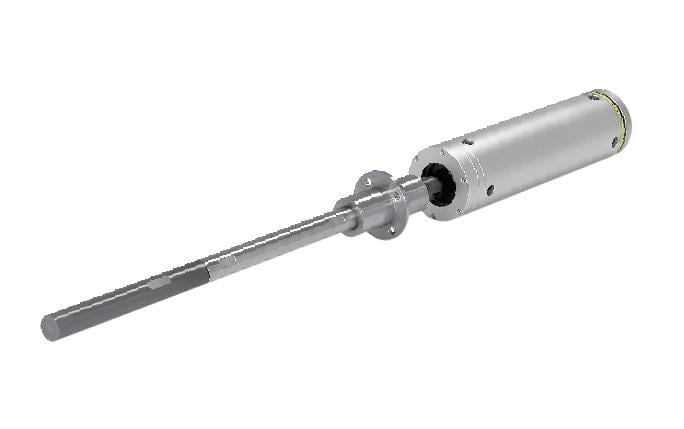
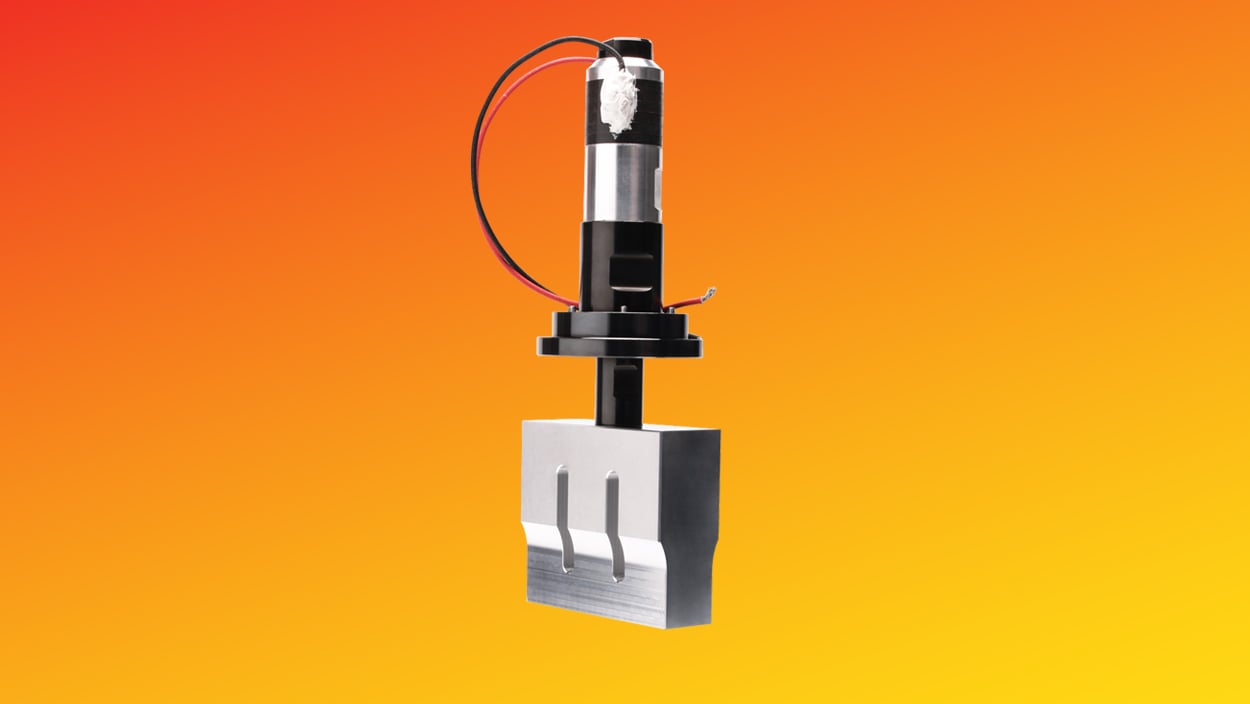
20 кГц Ультразвуковое оборудование для плавки металлов (керамическая рабочая головка)
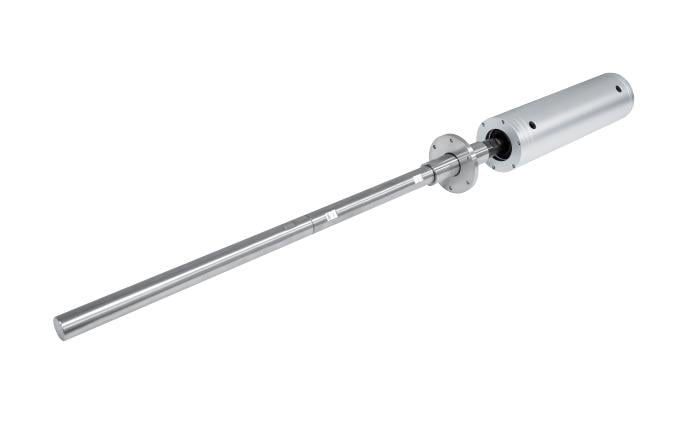
15 кГц Ультразвуковое оборудование для плавки металлов (титановая рабочая головка)
Принцип работы
1. Тепловые эффекты: Тепловое действие ультразвука может вызывать два вида тепловых эффектов: один — это тепловой эффект, возникающий при непрерывных волнах, а другой — мгновенный тепловой эффект. Совместное действие этих эффектов усиливает внутреннее трение, приводя к частичному поглощению акустической энергии, которая преобразуется в энергию среды, вследствие чего повышается температура жидкой среды и изменяются её вязкость и текучесть.
2. Эффект акустического течения: При достижении звуковыми волнами определённой интенсивности струя, индуцированная эффектом акустического течения, циркулирует по всему расплавленному металлу, формируя циркуляционный режим. Акустическое течение представляет собой сочетание циркуляции и турбулентности и оказывает интенсивное вибрационное и перемешивающее воздействие на расплавленный металл.
3. Кавитационный эффект. Кавитация — это физическое явление, вызываемое ультразвуковыми волнами, и служит основным механизмом, с помощью которого ультразвук очищает и модифицирует расплавленные металлы. При воздействии на жидкость интенсивного ультразвука звуковые волны, распространяющиеся в жидкой среде, создают чередующиеся циклы высокого давления (сжатие) и низкого давления (разрежение). В циклах низкого давления интенсивный ультразвук порождает в жидкости вакуумные пузырьки или полости. Достигнув объёма, при котором они больше не могут поглощать энергию, эти пузырьки резко коллапсируют в циклах высокого давления; мгновенный коллапс мелких пузырьков создаёт давление до десятков тысяч атмосфер, оказывая значительные ударные силы на окружающую жидкость и обеспечивая эффект перемешивания.
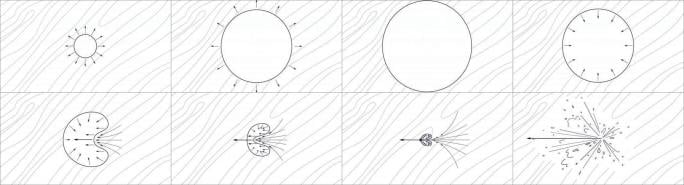
Схематическая диаграмма кавитации
Преимущества устройства
1. Процесс сварки прост и легко осваивается, что значительно снижает расход олова, сокращает время производства и заметно повышает эффективность при одинаковых условиях эксплуатации;
2. Существенно повышает электропроводность изделия, снижает сопротивление цепи, увеличивает площадь контакта и улучшает долговечность инструментов для погружной сварки;
3. Не требует использования флюса или очищающих средств, минимизирует коррозию и предотвращает загрязнение воды или воздуха, полностью исключая ложную сварку и короткие замыкания.
Параметры установки
20 кГц Ультразвуковое оборудование для плавки металлов (керамическая рабочая головка)
| Общие технические параметры | Параметры вибрирующего компонента | Сборочные компоненты и материалы |
| Номинальная мощность: 1000 Вт / 2000 Вт | Способ охлаждения: воздушное охлаждение | Преобразователь: пьезоэлектрическая керамика/импортный алюминий |
| Рабочая частота: 20,0 ± 1 кГц | Рабочая температура: ≤80 °C | Амплитудный стержень: титановый сплав повышенной прочности |
| Напряжение питания: 220В/50Гц | Максимально допустимое давление: ≤0,6 МПа | Рабочая насадка: керамический сплав |
| Габаритные размеры устройства: 100×1151×30 мм | Мощность вибрационного компонента: 1000 Вт; | Фиксированный фланец: высокопрочный алюминиевый сплав |
ультразвуковое оборудование для плавки металлов мощностью 15 кВт (с инструментальной головкой из титанового сплава)
| Общие технические параметры | Параметры вибрирующего компонента | Сборочные компоненты и материалы |
| Номинальная мощность: 2000W | Способ охлаждения: воздушное охлаждение | Преобразователь: пьезоэлектрическая керамика/импортный алюминий |
| Рабочая частота: 15,0 ± 1 кГц | Рабочая температура: ≤80 °C | Амплитудный стержень: титановый сплав повышенной прочности |
| Напряжение питания: 220В/50Гц | Максимально допустимое давление: ≤0,6 МПа | Инструментальная головка: высокопрочный титановый сплав |
| Габариты устройства: 116 × 1321 × 40 мм | Мощность вибрационного компонента: 1000 Вт; | Фиксированный фланец: высокопрочный алюминиевый сплав |
Экспериментальная демонстрация
Сравнение инструментальных головок, изготовленных из различных материалов
Ультразвуковое оборудование для обработки расплавов оснащено инструментальными головками из высокопрочного титанового сплава, отличающимися превосходной коррозионной стойкостью и устойчивостью к высоким температурам, с максимальной рабочей температурой до 1300 °C. Такие инструменты обеспечивают более прямое и выраженно выраженное межмолекулярное взаимодействие в расплавленном материале. Кроме того, их установка проста и не требует модификации существующего производственного оборудования или технологических процессов заказчика.
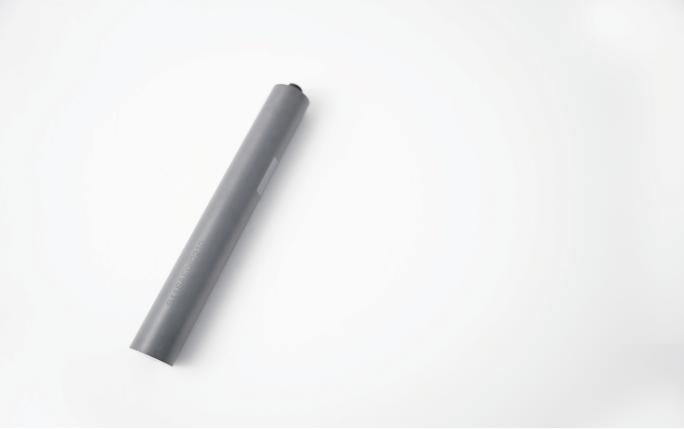
Керамическая головка
При ультразвуковом литье металлических расплавов держатель инструмента напрямую контактирует с высокотемпературным расплавленным металлом, передавая ультразвуковые волны для проведения ультразвуковой обработки. В таких условиях совместное воздействие высокотемпературной эрозии и термических напряжений может привести к быстрому повреждению держателей инструментов, изготовленных из традиционных материалов. Керамические материалы, известные своей стойкостью к высокотемпературной эрозии и износу, стали предпочтительным материалом для ультразвуковых инструментальных головок.

Головка инструмента из титанового сплава
Влияние металлического расплава
1. Удаление примесей: всплытие мельчайших неметаллических включений в расплавленной стали представляет собой крайне сложную задачу; процесс становится более осуществимым только при их агрегации. Применение ультразвуковых волн к расплаву с помощью оборудования для ультразвукового плавления металлов позволяет сформировать стоячую волну, которая эффективно способствует отделению и агрегации частиц включений в расплаве.
2. Удаление газов: При введении упругих ультразвуковых колебаний в расплавленный металл возникает кавитация; растворённые в жидком металле газы перемещаются к полостям, способствуя образованию и непрерывному росту зародышей пузырьков до тех пор, пока их размер не станет достаточным для удаления из расплавленного металла.
3. При непрерывной разливке алюминиево-кремниевых сплавов с мелкозернистой структурой ультразвуковая обработка позволяет уменьшить размер зёрен отливки и повысить пластичность и ductility (тягучесть) сплава, что делает его более пригодным для применения в строительных материалах и поршнях автомобильных двигателей. Применение ультразвука к расплавленным алюминиевым сплавам предотвращает образование оксидных включений и улучшает их микроструктуру.
4. Повышает качество литых заготовок за счет воздействия на кристаллизатор, улучшая качество поверхности отливок. Подходит для мелких квадратных заготовок, крупных квадратных заготовок и слябов; ультразвуковая вибрация не требует отрицательного скольжения. Применение ультразвуковой вибрации к кристаллизатору при литье мелких и крупных квадратных заготовок обеспечивает гладкую поверхность отливок.
Эксперимент по измельчению зерна
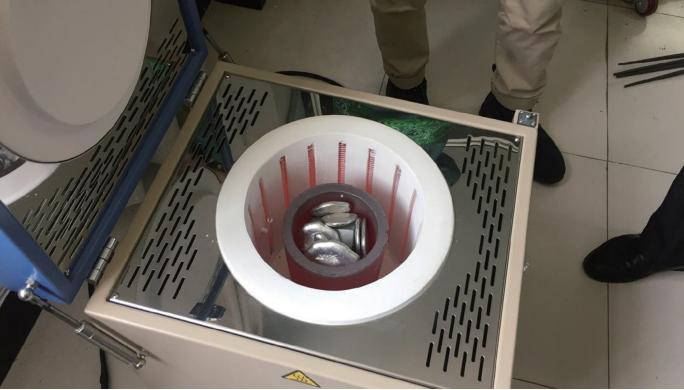 |
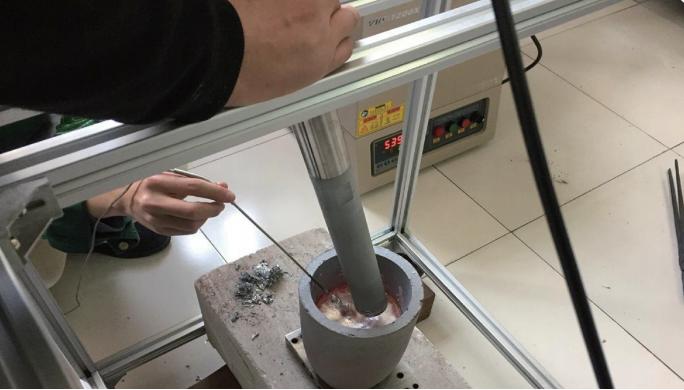 |
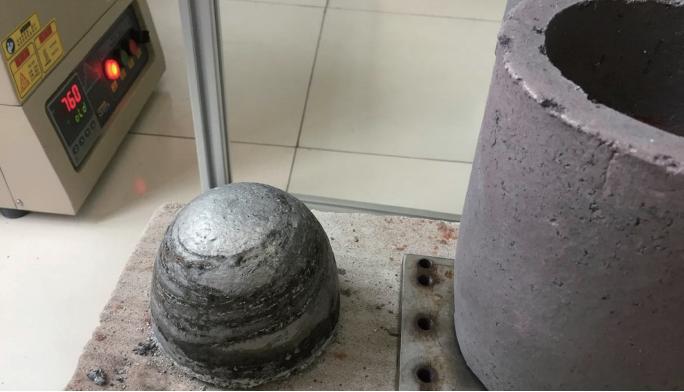
Этап 1: Нагрейте алюминиевый блок до полного плавления |
Этап 2: Ультразвуковая обработка |
 |
 |
Этап 3: Окончательное качество алюминиевой слитковой продукции |
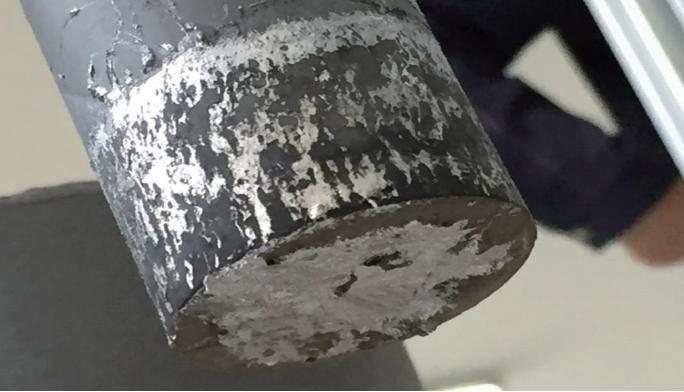
Этап 4: Поверхность наконечника из кремонитридной керамики |
Оценка эффекта
1. При наблюдении в электронном микроскопе распределение размеров зёрен в расплаве относительно однородно, что свидетельствует о значительном измельчении структуры расплава.
2. Размер зёрен мал, поверхности гладкие и не содержат примесей, что подтверждает высокую эффективность оборудования для плавки металлов в задачах измельчения зёрен.
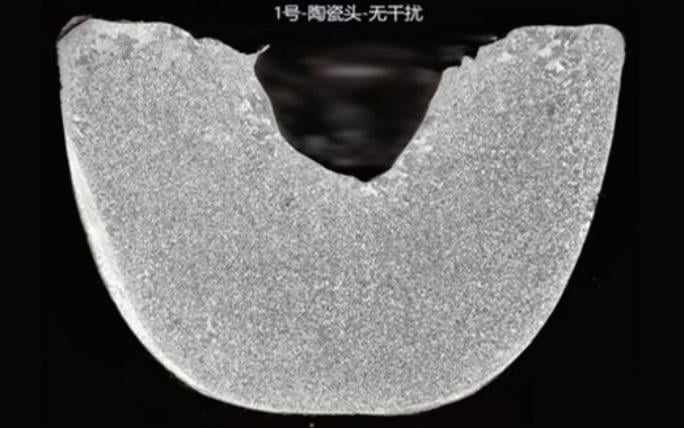
Результаты эксперимента, наблюдаемые в электронном микроскопе
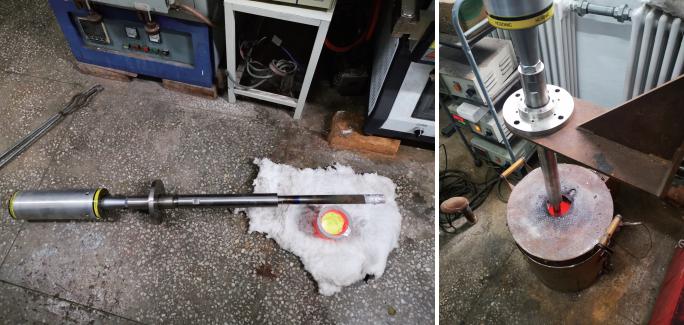
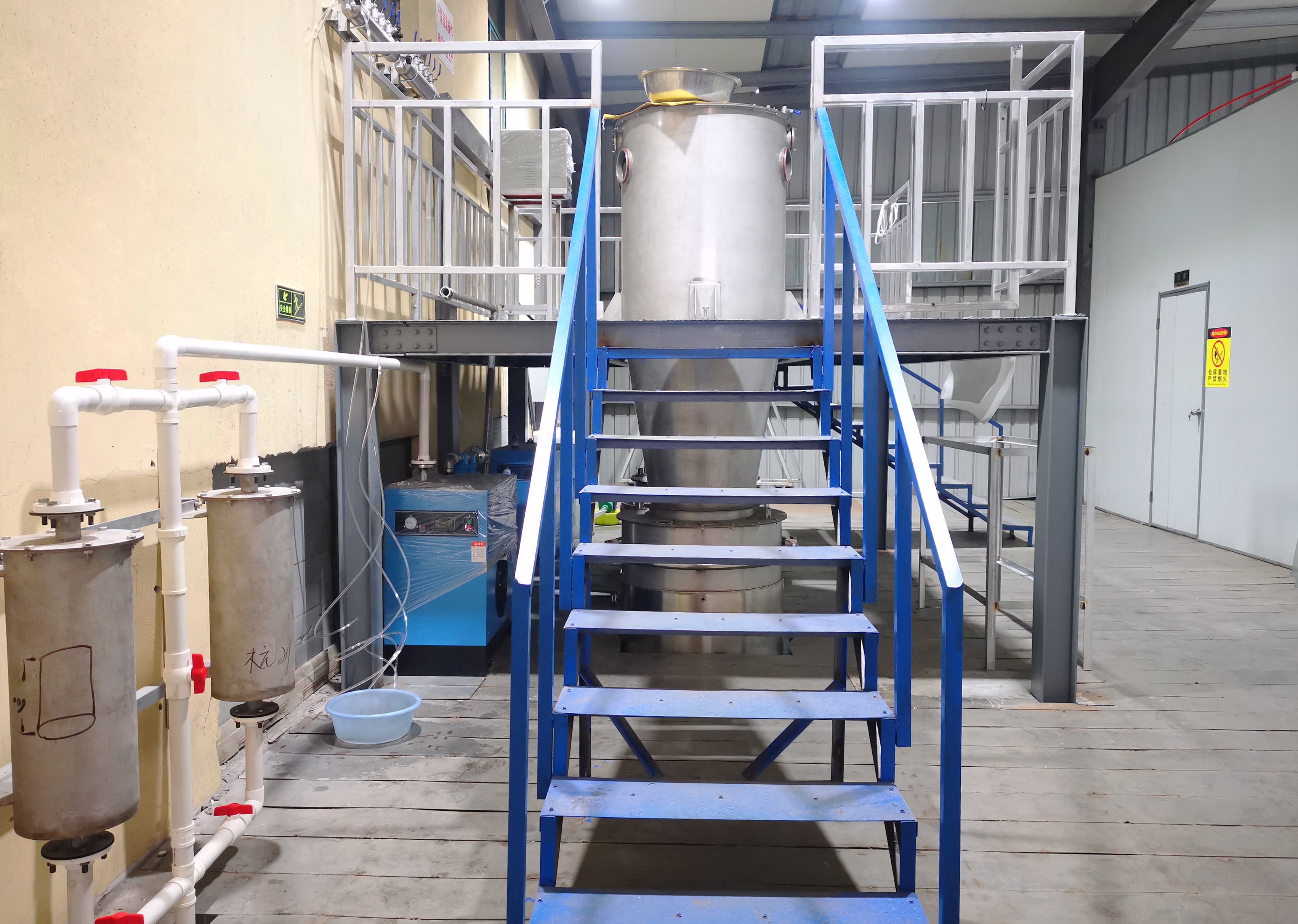
Место проведения эксперимента