 EN
EN
- Overview
- Recommended Products
Ultrasonic Extraction
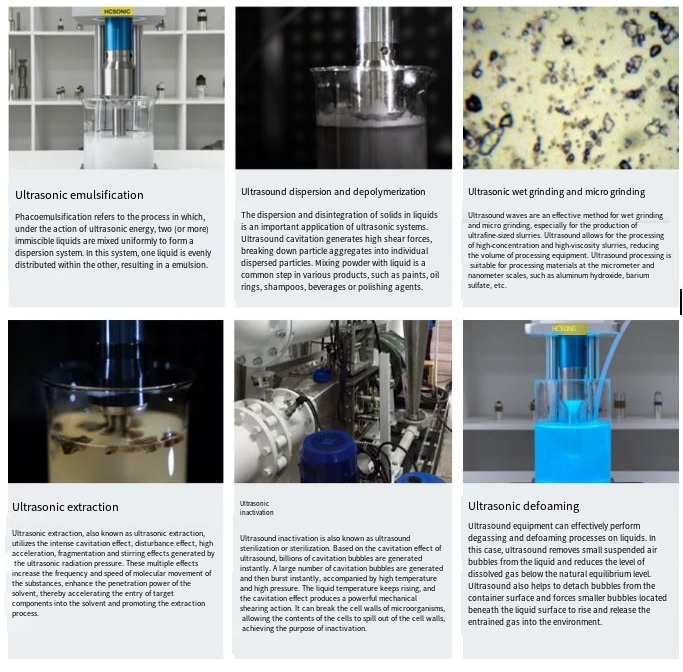
Ultrasonic extraction, also known as ultrasonic processing, utilizes the multi-level effects of ultrasonic radiation—including intense cavitation, disturbance, high acceleration, particle fragmentation, and agitation—to enhance molecular motion frequency and velocity, improve solvent penetration, accelerate the dissolution of target components into the solvent, and optimize extraction efficiency. This technique is widely employed for separating and extracting both organic and inorganic components from samples such as food, pharmaceuticals, and industrial raw materials.
Extraction Principle
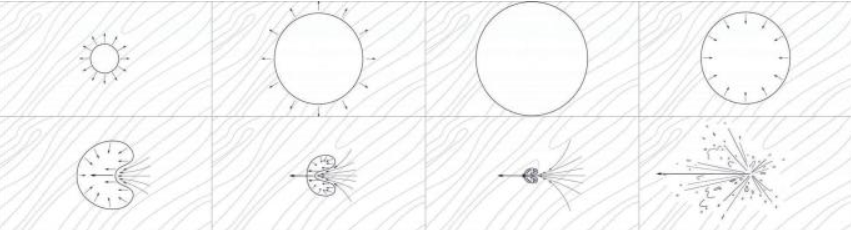
Ultrasonic waves are elastic mechanical vibration waves fundamentally distinct from electromagnetic waves. While electromagnetic waves propagate in a vacuum, ultrasonic waves must travel through a medium, undergoing continuous expansion and compression during propagation. In liquids, the expansion process generates negative pressure. When ultrasonic energy is sufficiently intense, this process can create bubbles or fracture the liquid into microscopic cavities. These cavities instantly collapse, generating instantaneous pressures up to 3000 MPa—a phenomenon known as cavitation that occurs within 400 μs. Cavitation refines materials, forms emulsions, accelerates the dissolution of target components into solvents, and enhances extraction efficiency. Beyond cavitation, numerous secondary effects of ultrasound further facilitate component transfer and extraction. The critical mechanism lies in bubble rupture reactions: at certain points, bubbles cease absorbing ultrasonic energy and undergo implosion. The gas and vapor within bubbles undergo rapid adiabatic compression, producing extreme temperatures and pressures. Given the negligible volume of bubbles relative to the liquid, generated heat dissipates instantaneously with minimal environmental impact, while cooling rates post-bubble rupture reach approximately 10¹⁰°C/s. Ultrasonic cavitation creates unique interactions between energy and matter, where high temperatures and pressures promote the formation of free radicals and other reactive species.
In pure liquids, when a cavity ruptures, it remains spherical due to uniform surrounding conditions; however, near solid boundaries, the rupture is non-uniform, generating high-speed liquid jets that convert the potential energy of the expanding bubble into kinetic energy, propelling the fluid through the bubble wall. The impact force of these jets on solid surfaces is extremely intense, causing significant damage to the impact zone and creating highly reactive new surfaces. The impact force generated by bubble deformation upon rupture is several times greater than that produced by bubble resonance. These ultrasonic effects make extraction of target components from various sample types highly effective. Ultrasonic application creates high temperature and pressure at the interface between organic solvents and solid matrices, combined with the oxidative power of free radicals generated during ultrasonic decomposition, thereby providing superior extraction efficiency.
Extraction Characteristics
1. Compared to conventional extraction methods, ultrasonic extraction offers higher efficiency and shorter processing times;
2. It is less constrained by solvent limitations and allows the addition of co-extractants to further enhance liquid-phase polarity and improve extraction efficiency;
3. Compared to supercritical CO₂ extraction and ultra-high-pressure extraction, ultrasonic extraction requires simpler equipment and lower costs;
4. In most cases, it involves fewer steps, a straightforward process, minimal risk of contaminating the extract, and operates at lower temperatures, making it particularly suitable for extracting heat-sensitive components.
Extraction Advantages
1. Requires no high temperature or atmospheric pressure, offers high safety, simple operation, low maintenance costs, and ease of use;
2. Ultrasonic extraction is less sensitive to the properties of both the solvent and the target extractable compounds;
3. The ultrasonic extraction process is cost-effective with significant overall economic benefits, reducing energy consumption and lowering costs;
4. It exhibits high extraction efficiency and broad applicability, being suitable for most components of traditional Chinese medicinal materials; 5. It enables large-scale processing of raw materials, significantly increasing extraction yields while minimizing impurities and facilitating easy separation and purification of active ingredients.
Device Overview
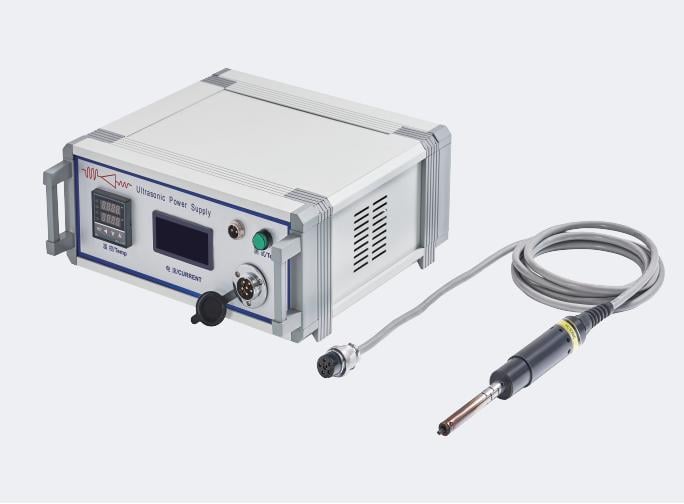
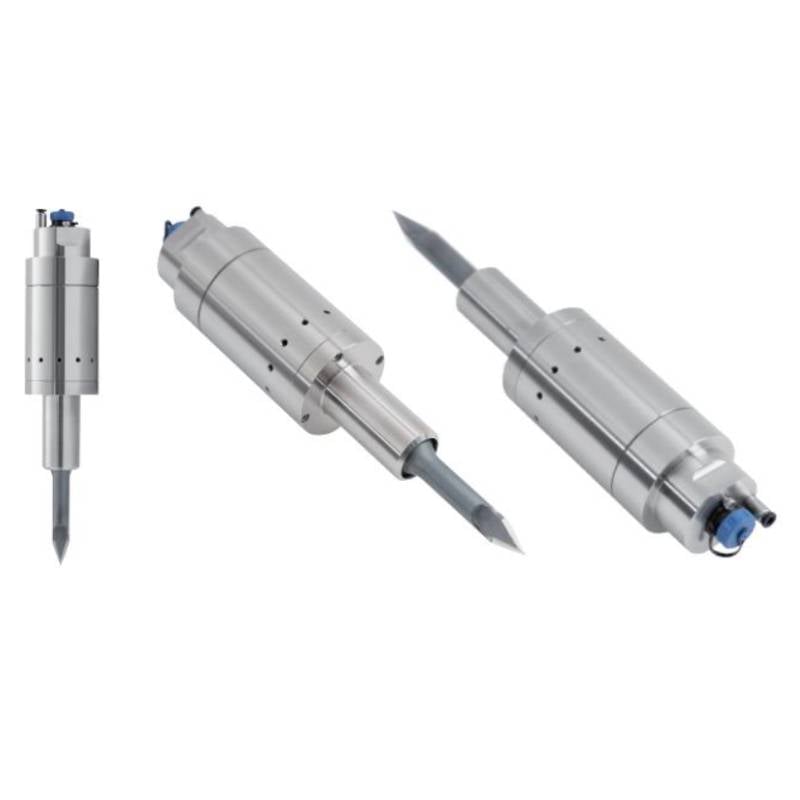
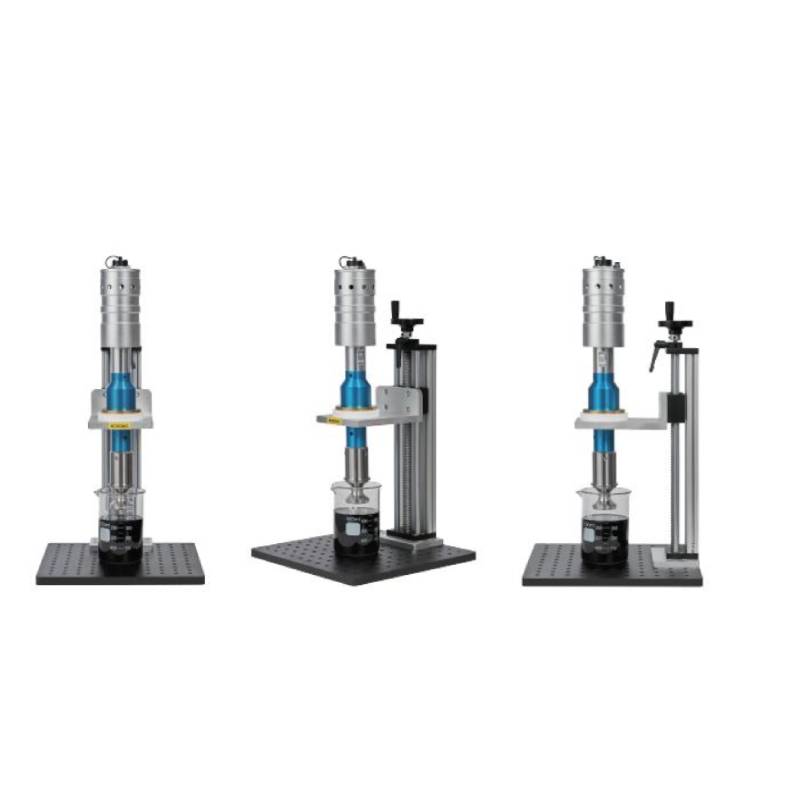
The experimental-grade ultrasonic extraction apparatus consists of five components: a lifting platform, an ultrasonic generator, an ultrasonic transducer, a variamplitude rod, and a tool head. The device features user-friendly operation, adjustable power output, and is easy to clean and portable.
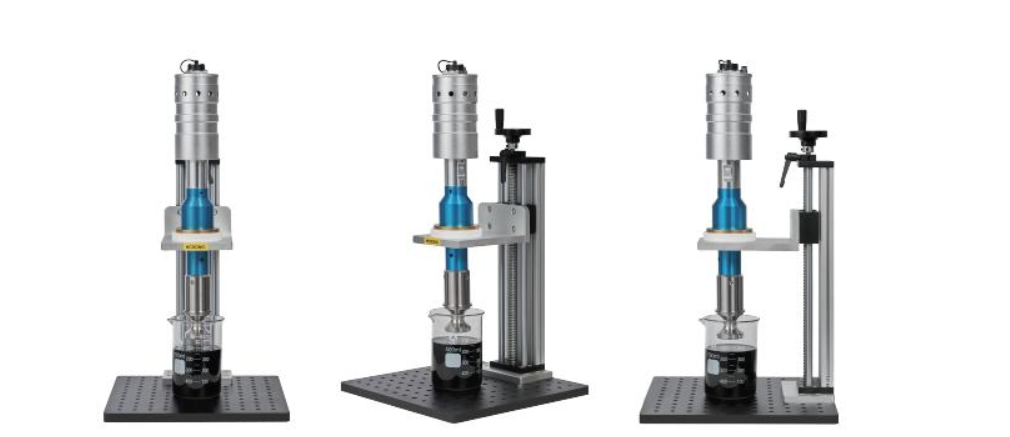
Viewed from different angles
Experimental Demonstration
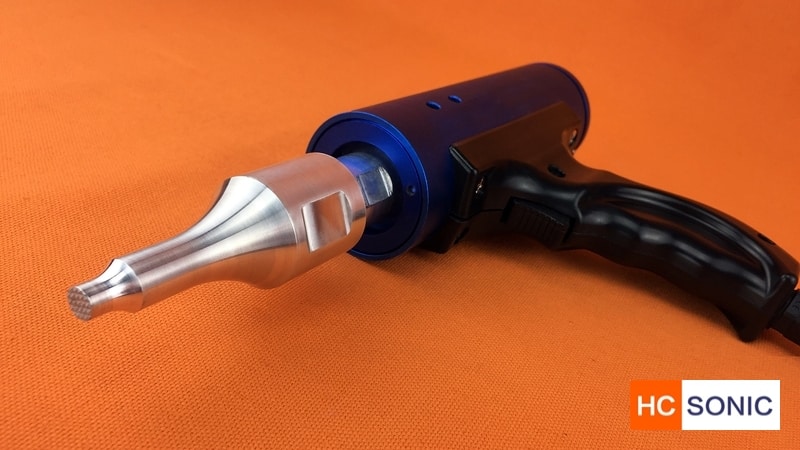
The experimental-grade dumbbell-shaped tool head delivers higher power than the other two types, and its greater contact area with liquid surfaces ensures superior extraction efficiency. The video demonstrates effective extraction of licorice and rose petals using ultrasound, with remarkable results.
Plant parameter
| Total Technical Parameters | Vibration Component Parameters | Assemble Component Parameters |
| Specification Model: HC-LP2005GL-2 | Cooling method: Air cooling | Transducer: Piezoelectric ceramic/imported aluminum |
| Device Power: 300W/500W | Maximum service temperature: 0–45°C | Amplitude rod: High-quality aviation-grade aluminum |
| Operating frequency: 20.0 ± 1 kHz | Maximum allowable pressure: atmospheric pressure | Tool head: High-strength titanium alloy |
| Input Voltage: 220V/50Hz | Power of the vibrating component: 1000 W; Fixed flange: High-strength aluminum alloy |
Applications of sonochemical equipment
Ultrasonic emulsification equipment is widely used in industrial sectors such as food, papermaking, coatings, chemicals, pharmaceuticals, textiles, petroleum, and metallurgy. It can be easily integrated into existing production lines, enabling manufacturers to upgrade their equipment at low cost. Ultrasonic emulsification also enables the preparation of emulsions that cannot be achieved by conventional methods. While conventional mixing techniques can only produce 5% wax emulsions in water, it is remarkable that under ultrasonic power, 20% wax emulsions can be manufactured.
Common Questions Guide
1. What to do if the temperature is excessively high during liquid processing? ① Use pulse mode. ② Use ice cooling combined with pulse mode. ③ The cooler provides additional cooling capacity. ④ Use a tool head resistant to high temperatures during processing.
2. How to cool the transducer? Prolonged ultrasonic treatment can cause heat to transfer from the probe head to the transducer. Overheating may severely damage the transducer and the entire ultrasonic system. For larger samples requiring continuous processing for more than 30 minutes, it is recommended to install an air cooling device for the transducer.
3. How to select the appropriate container? Container shape and size: Narrow containers are preferable to wide ones, as ultrasonic energy is generated at the end surface and transmitted downward. During sample processing, the liquid is pushed downward and dispersed in all directions. If the container is too wide, effective mixing cannot be achieved, and some samples may remain untreated around the edges. For a given volume, processing time is shorter in wider containers compared to narrow containers (approximately twice as long). Additionally, the probe must not contact the container's sides or bottom. End surface diameter: -1/4 inch (6 mm): Processing range: 10 mL – 50 mL -1/2 inch (12 mm): Processing range: 20 mL – 250 mL -3/4 inch (19 mm): Processing range: 50 mL – 500 mL -1 inch (25 mm): Processing range: 100 mL – 1000 mL Each tool head has a recommended sample volume range; using the appropriate tool head size is crucial not only for reducing processing time but also for extending its service life. The use of a stirring rod can further increase the maximum processing capacity of the probe.
4. What is the minimum droplet size achievable with ultrasonic processing? Ultrasonic processors can be utilized to produce stable, high-quality nanoemulsions, including semi-transparent nanoemulsions with droplet sizes below 100 nm.
5. Is using a constant power of 70% for sample processing appropriate? You should test other power levels and evaluate their impact on results. If identical results are achieved at 50%, there is no need to use 70%. However, it is recommended to maintain power below 80% to extend probe lifespan.
6. Immersion depth of the vibrating component and bubble formation issues.
The tip of the tool must be properly submerged; if the tip is not fully submerged, the sample may foam or develop bubbles. If the tip is too deep, effective sample circulation cannot occur. Both scenarios will lead to poor results. Foaming frequently occurs when the sample volume is below 1 mL and can also be induced by setting an excessively high amplitude.
7. How to address cavitation on the tip surface of liquid handling tool heads? The equipment is equipped with replaceable tip tool heads (replacement caps), which feature rigid threads at their ends for connection to the tool head. When the replacement cap wears out due to cavitation, it can be removed and replaced.
8. Is ultrasound harmful to humans? What are the safety precautions? Noise is the only known concern. To reduce the noise level of an ultrasonic processor to an acceptable level, it should be minimized to approximately 25 BA. The simplest solution is to wear professional noise-canceling earplugs; they are inexpensive and widely available, though their use may be inconvenient in many public settings. Another option is to house the ultrasonic processor within a noise-reducing enclosure (silencer or soundproof housing). For laboratory-grade equipment, such enclosures are readily available but must provide adequate noise reduction performance.