 EN
EN
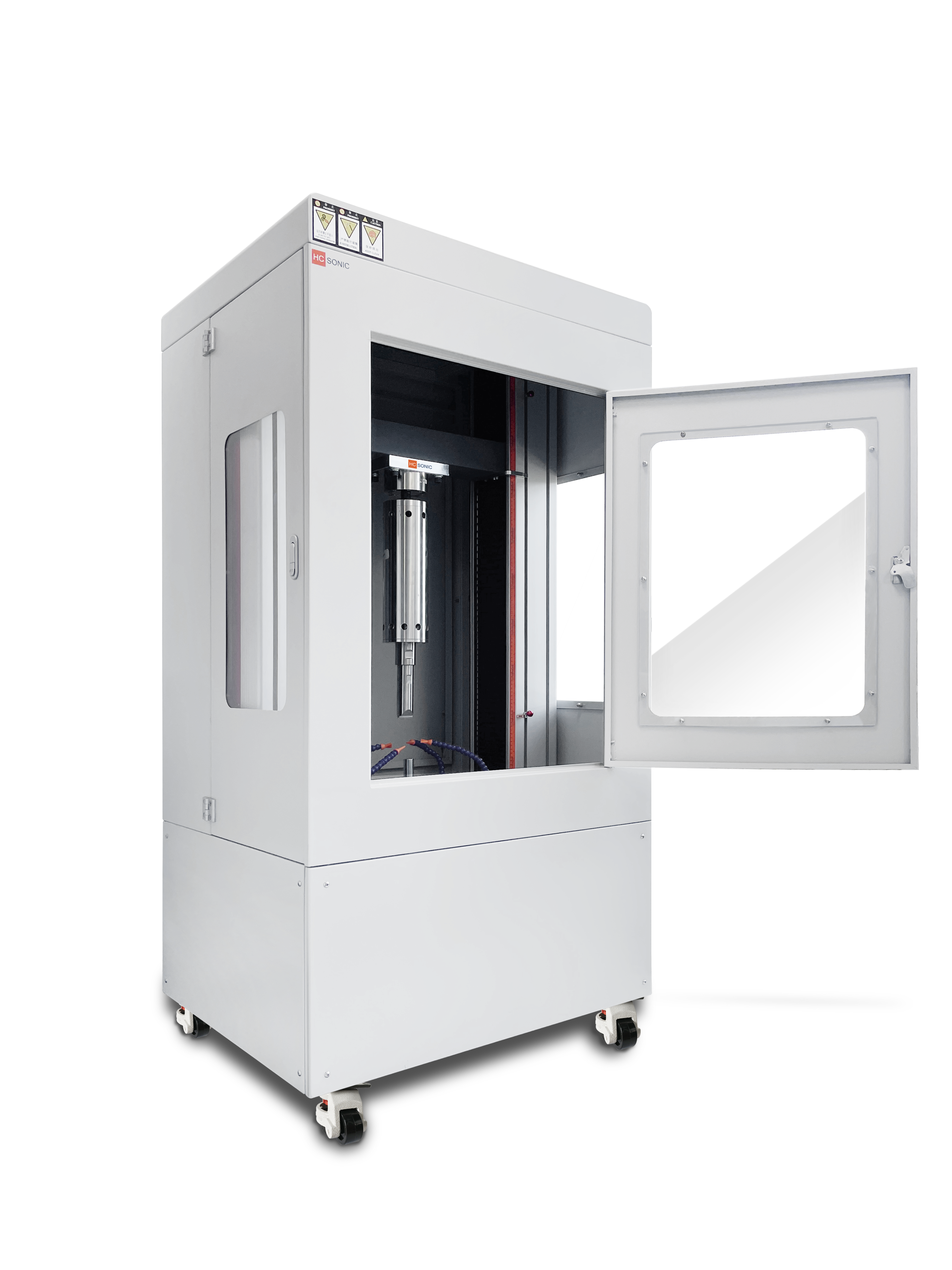
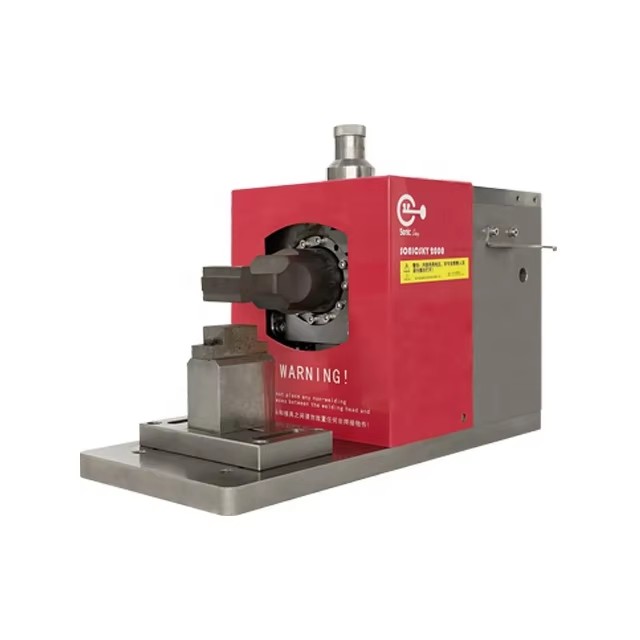
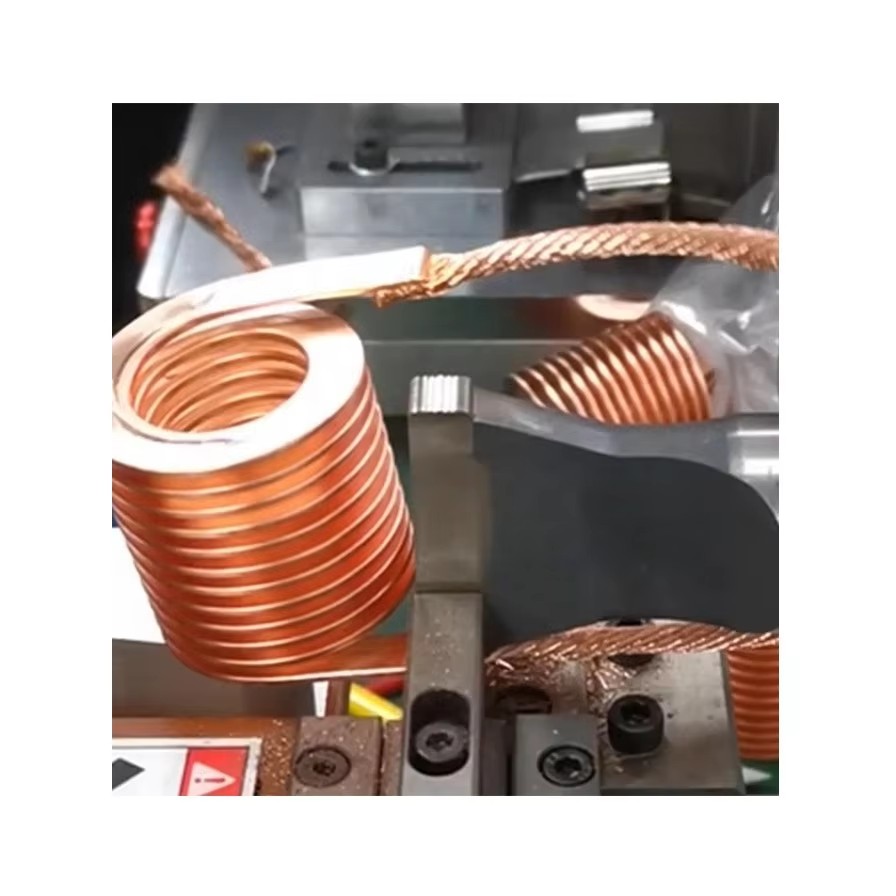
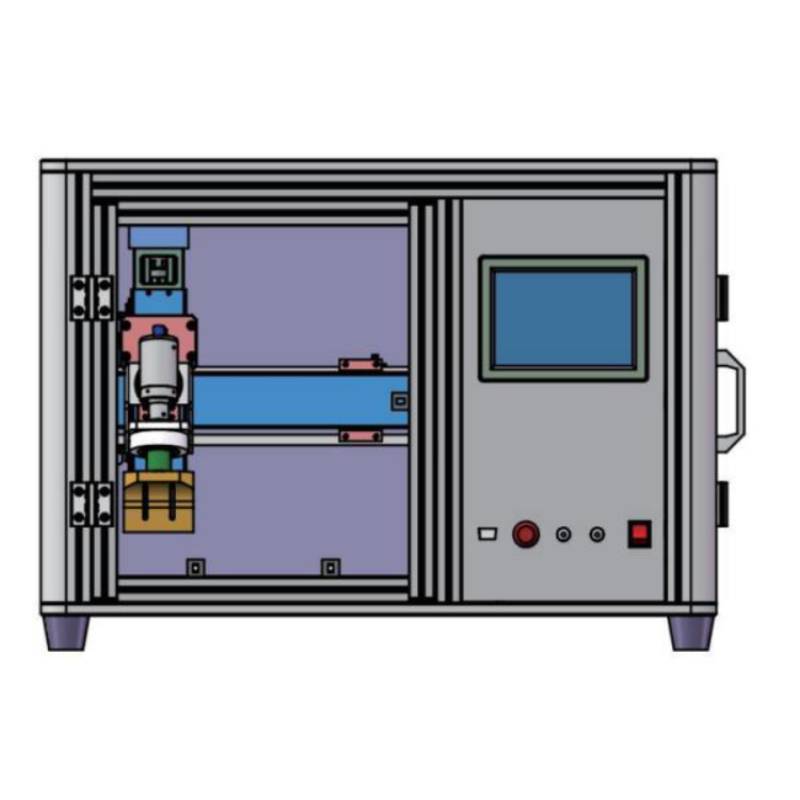
Ultrasonic welders are innovative machines that utilize high-frequency sound waves to create strong and reliable bonds between various materials. In industries such as aerospace, medical devices, and automotive, these machines play a crucial role in ensuring the integrity and performance of assembled products. B2B buyers, including purchasing managers and engineers, often face challenges when selecting the right Ultrasonic Metal Melt Equipment for their specific applications. This article aims to provide practical insights into choosing, evaluating, and troubleshooting ultrasonic welders, helping buyers make informed decisions.
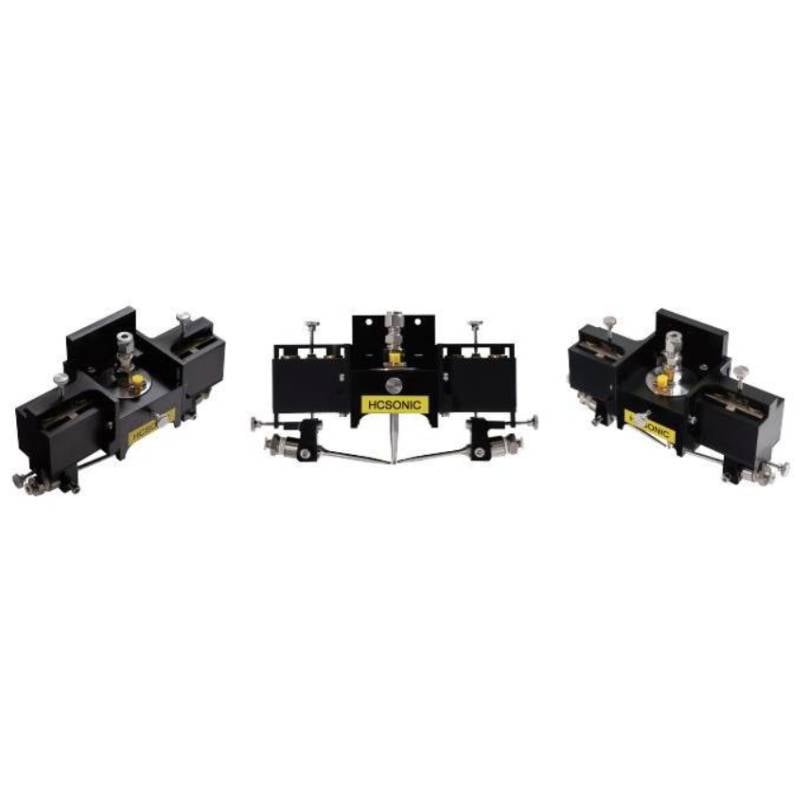
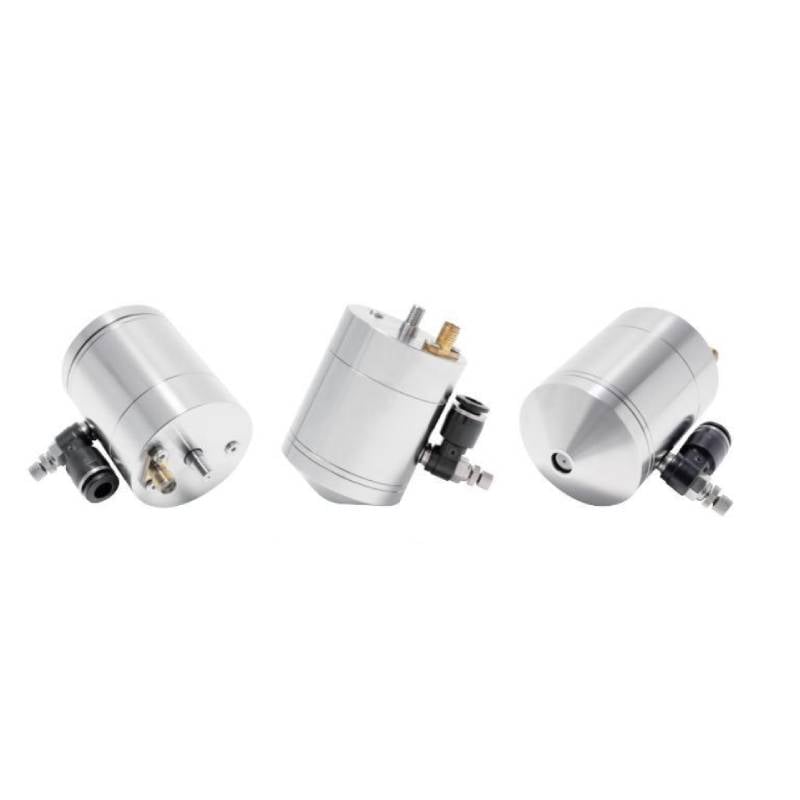
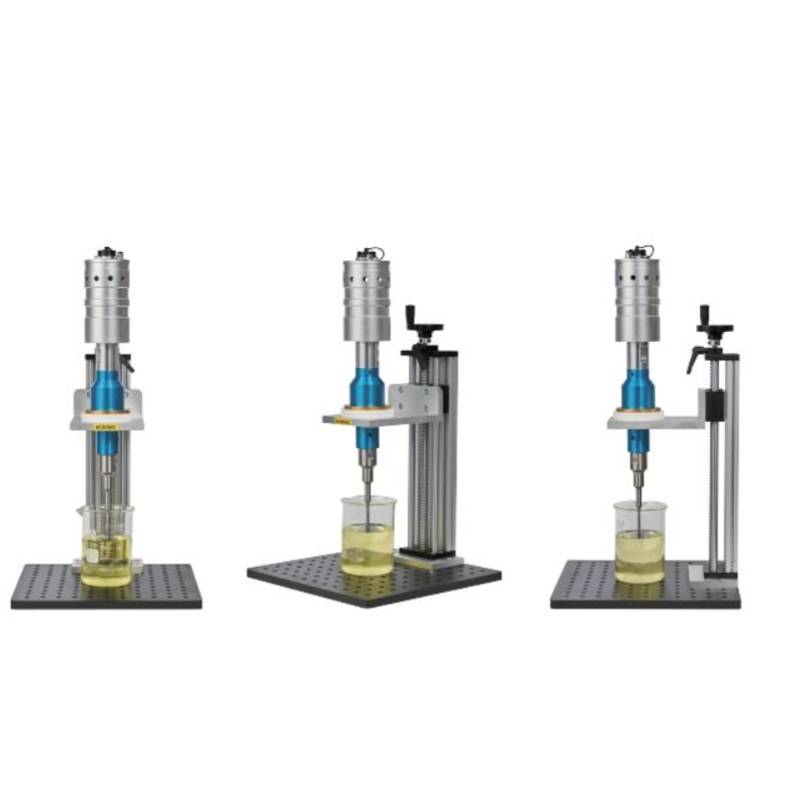
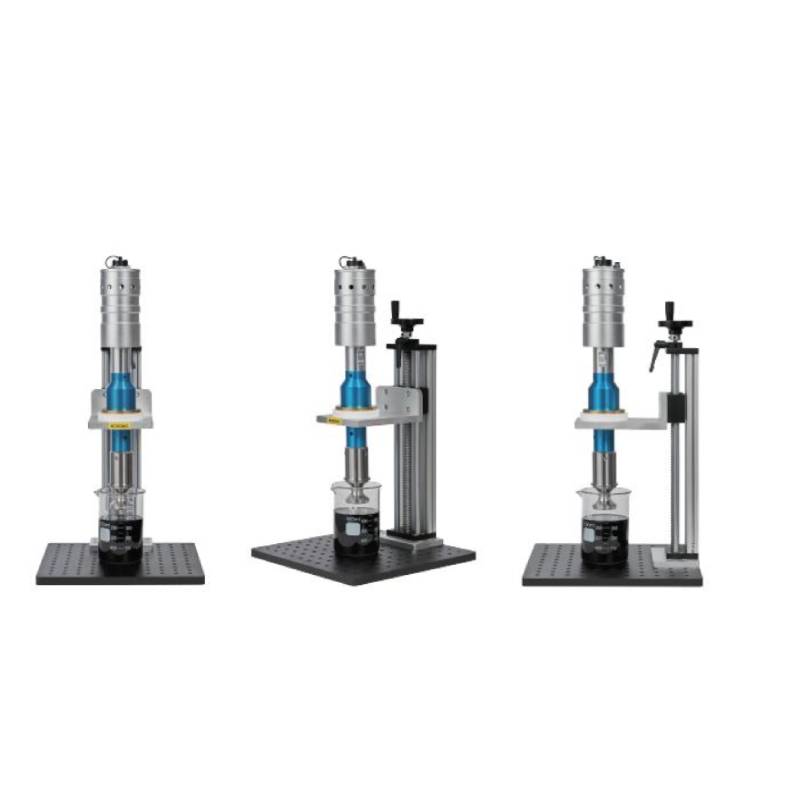
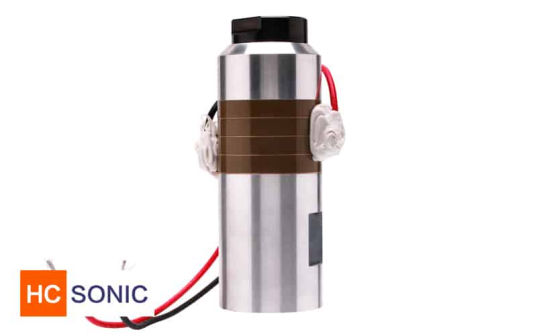
Why Choose Industrial Ultrasonic Transducer for High-Frequency Applications
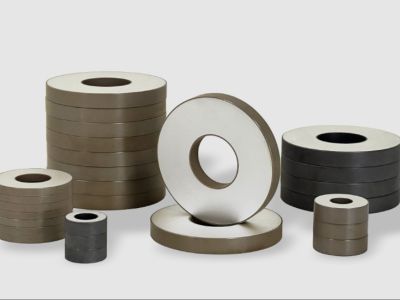
How Ultrasonic Transducers Work: The Science Behind High-Frequency Performance
From electrical signals to mechanical vibrations: The core operation of ultrasonic transducers
Ultrasonic transducers used in industrial settings work by turning electri...
View More